



Bitcoin and the Geopolitical Landscape: An Evolving Safe Haven
As global crises unfold, particularly the dramatic situation in Venezuela, the cryptocurrency market is also undergoing significant volatility. Among the various cryptocurrencies, Bitcoin is experiencing a pivotal moment, fluctuating dramatically in response to external events.
Bitcoin’s Recent Surges
Recent data reveals a staggering 1,671% surge in Bitcoin’s Spot Inflows, indicating that market participants are not merely spectators of global turmoil. Instead, they are strategically positioning themselves for what lies ahead. Spot flows reflect immediate buying activity rather than speculative trades, emphasizing that large stakeholders are moving significant capital into exchanges for instant purchases. This response illustrates the market’s resilience amid external pressures, particularly as Bitcoin navigates a post-crisis landscape.
Price Movements Amid Instability
Following the spike in Spot Inflows, Bitcoin exhibited volatility, initially dropping by 0.5% to around $89,300. However, it rebounded swiftly, trading at $92,731.61 later, an increase of 1.88% in just 24 hours. This recovery aligns with typical patterns seen in Bitcoin’s history, reflecting its capability to react promptly to market stimuli. With prominent figures like María Corina Machado, a Nobel Peace Prize nominee and ardent Bitcoin advocate, potentially leading Venezuela, the narrative surrounding Bitcoin as a stabilizing force gains traction.
The Role of Bitcoin in Crisis Situations
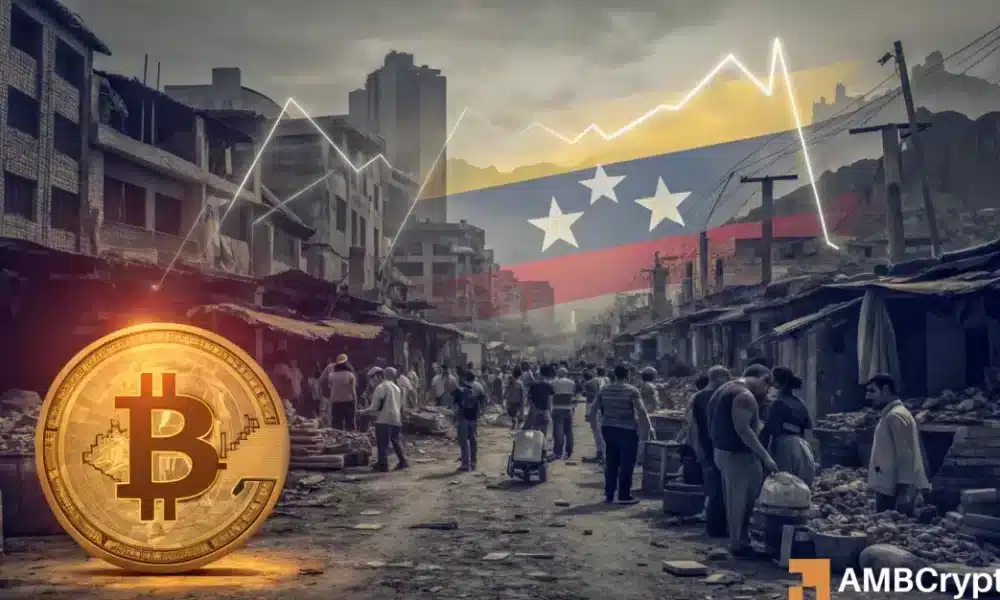
Venezuela’s economic turmoil has driven citizens toward Bitcoin, which has emerged as a viable alternative to traditional financial systems plagued by hyperinflation. Machado has described Bitcoin as a “lifeline” for many Venezuelans facing economic despair. If she secures the presidency, a Bitcoin-centric national strategy could transform the financial landscape, a notion previously considered far-fetched. The pivot towards decentralized currencies showcases a growing recognition of the utility and potential of cryptocurrencies in crisis scenarios.
Geopolitical Tensions and Market Psychology
The unfolding events in Venezuela mirror broader trends in cryptocurrency and market psychology during geopolitical crises. Initially, when conflicts erupt, markets typically respond with fear and sell-offs, leading to a flight to cash. However, in later stages, as conditions stabilize, investors shift toward safe-haven assets like Bitcoin. The recent market behavior indicates that participants have moved beyond mere panic, entering a recovery phase that underscores Bitcoin’s evolving role as a refuge during instability.
Comparative Volatility and Resilience
While Bitcoin’s volatility can be likened to that of gold, recent trends indicate a notable resilience, with rapid recovery times. In the current landscape characterized by uncertainty, Bitcoin stands out as a preferred option for many seeking to safeguard their assets. This dynamic indicates a shift toward greater acceptance of decentralized systems that offer more control and less susceptibility to government policies and economic fluctuations.
Conclusions on Bitcoin’s Market Role
As geopolitical events continue to shape investment landscapes, Bitcoin’s response illustrates its potential as a real-time risk indicator. The speed of its recovery post-dip suggests a maturing market increasingly influenced by fundamental utility rather than mere speculation. As more individuals turn to decentralized finance solutions amid economic disruptions, Bitcoin’s significance is likely to grow, affirming its role in the global financial ecosystem.
In conclusion, the interplay between geopolitical crises and Bitcoin highlights the cryptocurrency’s emerging position as a safe haven asset, reflecting a changing world where traditional economic structures face increasing challenges. By adapting swiftly to external pressures, Bitcoin confirms its status as a crucial tool for those navigating the tumultuous waters of modern finance.