



Key Developments in U.S. Crypto Legislation: A Turning Point
The landscape of U.S. cryptocurrency legislation has recently undergone a significant shift, thanks to intense negotiations and pivotal political maneuvers. After a challenging period marked by setbacks, House Republicans have revived crucial crypto bills, buoyed by President Trump’s support. This article delves into the implications of these developments and their potential impacts on the crypto industry.
A Surprising Political Shift
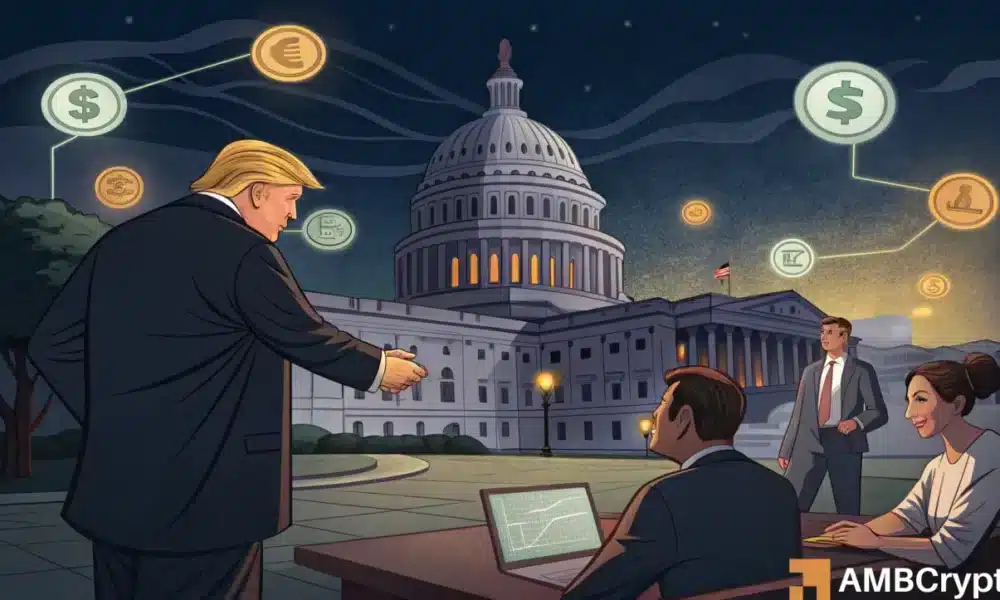
In a surprising turn of events, the U.S. House has made strides toward advancing important cryptocurrency legislation. Reports from Politico indicate that following a tumultuous week for the crypto sector, a late-night meeting with President Trump led to a breakthrough. This unexpected pivot has served as a beacon of hope for an industry facing hurdles from conservative opposition. The House’s efforts to merge the bipartisan CLARITY Act with a ban on Central Bank Digital Currencies (CBDC) has stirred debate among lawmakers, but it signifies a renewed momentum for crypto bill advancements.
Behind-the-Scenes Negotiations
Speaker Mike Johnson has been actively working with Republican committee chairs and conservative dissenters to maintain the momentum surrounding these crypto bills. Reports suggest that negotiations are ongoing, focusing on potential alternative routes to integrate the CBDC prohibition into essential legislation. Options include the annual defense bill and reauthorization of surveillance powers. While internal tensions linger, the advanced discussions indicate a strategic effort to push through crypto-related legislation in the face of opposition.
A Breakthrough in Legislation
On July 16th, the House passed three cryptocurrency-related bills along with the 2026 defense budget in a narrow 217-212 vote. This outcome was made possible by hard-liners within the GOP softening their stance, culminating in a resolution with committee leaders. The push to link the CLARITY Act with the anti-CBDC bill faced resistance from Financial Services Chair French Hill and Agriculture Chair G.T. Thompson, who feared it could alienate Democratic support. Ultimately, a consensus was formed, paving the way to attach the CBDC prohibition to a standalone defense authorization measure.
Presidential Endorsement and Broader Implications
President Trump was informed of the last-minute agreement and expressed his approval, signaling significant backing for the legislation. Speaker Johnson hailed this breakthrough as a solution to previous gridlock, highlighting a path forward for the House to advance their legislative agenda. This bipartisan cooperation is crucial for achieving a balance between innovative cryptocurrency measures and regulatory oversight, addressing the complex landscape of digital assets.
Future Legislative Actions on Crypto
The procedural vote clearing the path for these initiatives also allows the House to expedite action on other legislative packages, including spending rescissions requested by Trump. There are strong indications that the House may vote on the Senate-backed GENIUS Act, which centers on stablecoin oversight, as early as July 17th. If successful, this would constitute a monumental step in establishing comprehensive crypto legislation and would represent a significant victory for the industry as it seeks regulatory clarity.
Conclusion: A New Chapter for Crypto in the U.S.
As the House prepares to finalize crypto legislation, the broader implications for the industry are becoming clearer. The collaborative spirit reflected in these recent developments could set a precedent for future legislative measures. With the prospect of the GENIUS Act reaching President Trump’s desk, stakeholders in the crypto ecosystem are watching closely. As the Senate pushes forward with its agenda, including the rescissions package due by July 18th, the coming days will be pivotal in defining the future of cryptocurrency regulation in the United States. The revival of these bills has sparked optimism for a more secure and regulated future in the digital asset space.