



The Future of U.S. Derivatives Market: A Shift Towards Clarity and Innovation
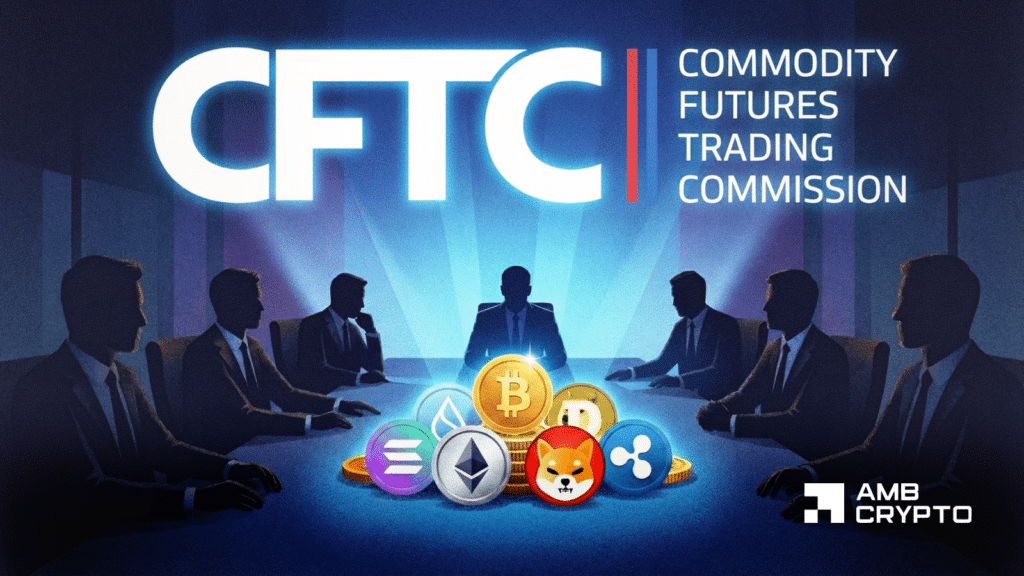
For years, the U.S. derivatives market has functioned amidst significant ambiguity, leaving companies to navigate a maze of potential legal ramifications without clear regulatory guidance. This uncertainty often resulted in companies facing lawsuits, hampering innovation and growth. However, recent developments indicate a significant shift towards clarity and structure, particularly in sectors like cryptocurrency, artificial intelligence (AI), and prediction markets. On March 24, 2023, CFTC Chairman Michael S. Selig launched an Innovation Task Force aimed at establishing comprehensive guidelines that will facilitate the establishment and operational efficiency of businesses in the United States.
CFTC’s New Crypto Taskforce: A Game-Changer
Chairman Selig commented on the initiative, emphasizing that the creation of a clear regulatory framework is essential for innovators pushing the boundaries of finance. By fostering responsible innovation, the task force aims to ensure that American market participants are empowered rather than sidelined. This proactive approach marks a departure from the previous enforcement-heavy strategies and indicates a growing recognition of the need for tailored solutions in the rapidly evolving digital landscape. The task force’s setup illustrates U.S. regulators’ intent to collaborate more effectively, prioritizing innovation over competition.
A Focused Leadership
The appointment of Michael J. Passalacqua to lead this task force underscores the CFTC’s commitment to addressing the murky regulatory landscape. This move not only signals that the task force is a key priority but also demonstrates a need for coordination between the CFTC and the SEC. Historically, conflicting regulations from these two bodies have created confusion in the crypto space. By working together, these regulators aim to clarify previous ambiguities and establish a more harmonious regulatory environment for digital assets.
Mixed Community Reactions
Reactions within the crypto community have been mixed. Many industry players view the establishment of the task force as a positive step towards clearer guidance and easier entry for institutional investors. Notably, community members are hopeful that this initiative will open doors for greater institutional participation in the crypto market. However, some critics caution that this initiative may serve as a distraction from more comprehensive legislative efforts, such as the passage of the CLARITY Act, which aims to streamline crypto regulations further.
Contrasting Approaches to Regulation
The regulatory landscape under U.S. Presidents Joe Biden and Donald Trump has differed significantly in its approach to cryptocurrency. The Biden administration has leaned toward an enforcement-heavy strategy, with the SEC, led by Gary Gensler, employing strict oversight and litigation to manage the sector. In contrast, the Trump administration favored a more growth-oriented approach, focusing on establishing clear rules and encouraging institutional investments in the crypto market. This divergence highlights the ongoing political and regulatory challenges facing the U.S. derivatives market.
Steps Towards Clarity
On March 20, 2023, additional advancements were made when the SEC sent proposals to the White House, aiming to address issues regarding financial transparency and the classification of digital assets. When combined with the CFTC’s new task force, these proposals could finally resolve the longstanding debate over whether cryptocurrencies should be classified as securities or commodities. If approved, these initiatives would provide the stability institutions need to engage confidently in the U.S. crypto market.
Conclusion: A Promising Future
In summary, the U.S. derivatives market is on the cusp of significant transformation. The shift from an unclear and enforcement-driven regulatory framework to a more structured and transparent approach marks a pivotal moment for the industry. Enhanced coordination between regulatory bodies like the CFTC and SEC could minimize confusion and reduce regulatory overlap, ultimately fostering a more conducive environment for innovation and institutional participation in the ever-evolving landscape of digital assets. As the regulatory climate continues to evolve, market participants eagerly await the clarity and direction necessary for sustained growth and development in the U.S. derivatives market.