




Navigating the CLARITY Act Standoff: Implications for Cryptocurrency and Stablecoin Yield
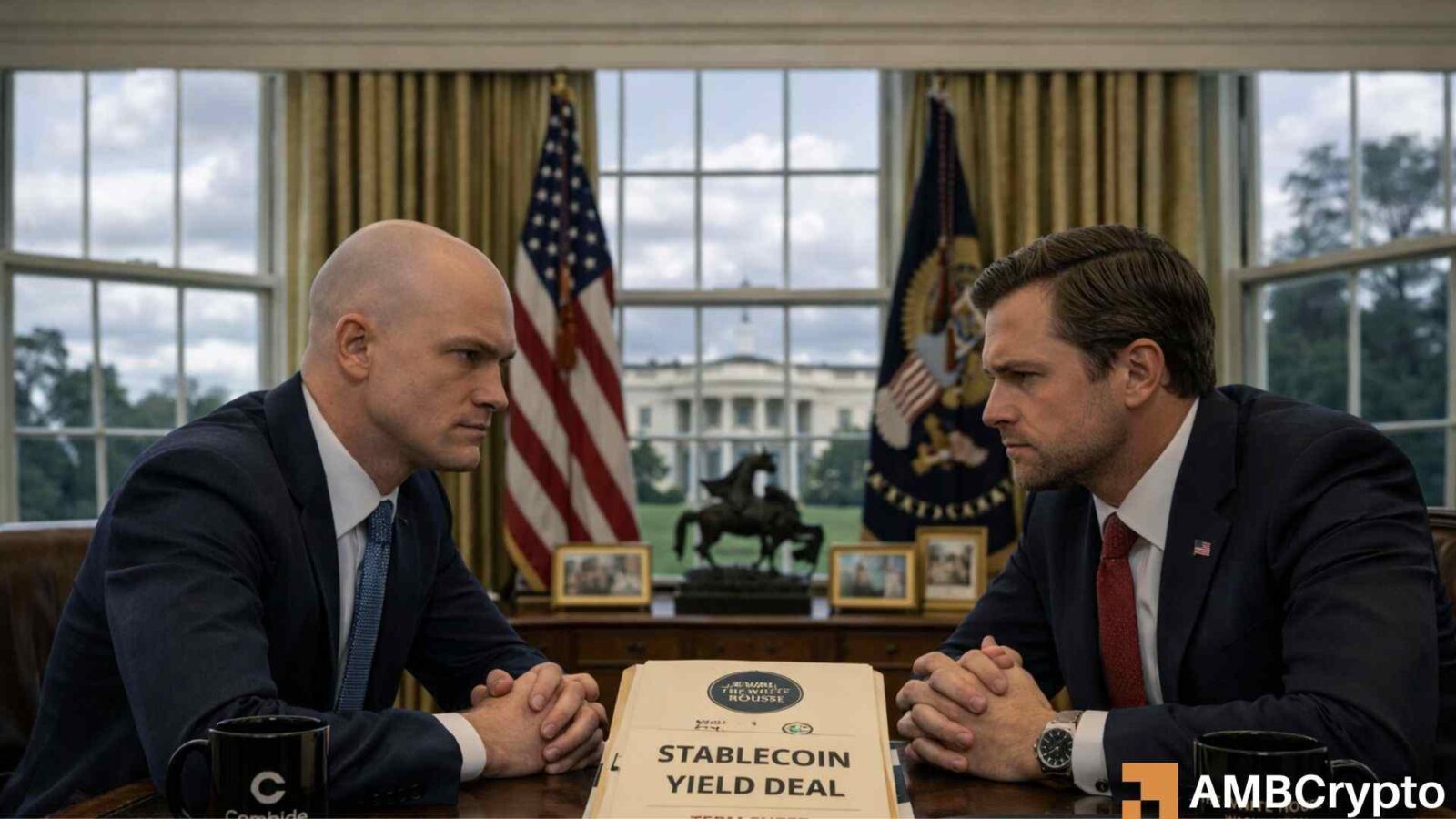
The ongoing standoff surrounding the CLARITY Act has escalated tensions between the White House and Coinbase, casting uncertainty on the future of cryptocurrency legislation in the United States. Recent statements from Patrick Witt, the executive director of the President’s Council on Digital Assets, signaled a shift in the White House’s stance. Witt issued a warning that a future Democratic administration might impose harsher regulations on stablecoins, decentralized finance (DeFi), and the broader crypto landscape than what’s currently proposed in the CLARITY Act draft. This escalation marks a clear departure from earlier communications from the White House which played down allegations that Coinbase was obstructing the advancement of the bill.
The cryptic nature of Witt’s remarks aimed to draw attention to Coinbase’s hesitance regarding new stablecoin regulations. David Duong, Coinbase’s head of global investment research, confirmed the exchange’s position, asserting that the industry was working on a coordinated counterproposal intended to safeguard sustainable stablecoin yields. This has garnered support from various stakeholders within the crypto sector, but it has also drawn criticism. Some detractors have accused Coinbase’s CEO of assuming the role of a spokesperson for the entire crypto industry, labelling his actions as community hijacking.
The discourse surrounding the CLARITY Act isn’t limited to stablecoin yield issues; it extends into the realms of developer protections and taxation concerns. Industry leaders, including Jake Chervinsky, CEO of the Hyperliquid Policy Center, expressed alarm over draft provisions that they claim undermine critical protections for DeFi developers. Chervinsky articulated that if the bill fails to address these developer protections, it wouldn’t serve the DeFi ecosystem effectively. Yet, Senator Cynthia Lummis provided some reassurance by stating that bipartisan efforts are underway to ensure adequate protections for developers within the legislation.
Additionally, legal experts have noted discrepancies in the new draft concerning taxation policies, particularly regarding a proposed tax exemption for stablecoin transfers, which notably excludes Bitcoin (BTC). Critics have pointed to Coinbase’s role in obstructing this BTC tax exemption discussion. Moreover, while the draft aims to resolve double taxation issues related to crypto staking, it leaves intact the double taxation applied to Bitcoin mining, drawing ire from advocacy groups like the Bitcoin Policy Institute (BPI). The BPI underscored the urgent need for community advocacy to revise the current legislation, asserting that the lack of relief for Bitcoin mining threatens to hinder the progress of Bitcoin and the U.S. crypto landscape.
Looking ahead, Coinbase’s Duong expressed optimism about resolving the stablecoin yield issue within the next three weeks. He mentioned that a Senate Banking markup could occur in late April, with hopes for the final passage of the bill by early May if legislative schedules permit. This timeline indicates a potential resolution to the current standoff but also reflects the complexities involved in aligning various interests within the crypto industry and government agencies.
Conclusion
The tension between Coinbase and the White House represents a pivotal moment in the evolution of cryptocurrency regulation in the U.S. As the situation develops, stakeholders within the crypto community are urged to engage in constructive dialogue to advocate for more balanced legislative outcomes. With the potential for significant shifts in stablecoin policy and developer protections looming, collaborative efforts may ultimately determine the trajectory of the CLARITY Act and its implications for the broader cryptocurrency ecosystem.