



Trump’s Tariffs: The Ripple Effect on Bitcoin and Cryptocurrency Markets
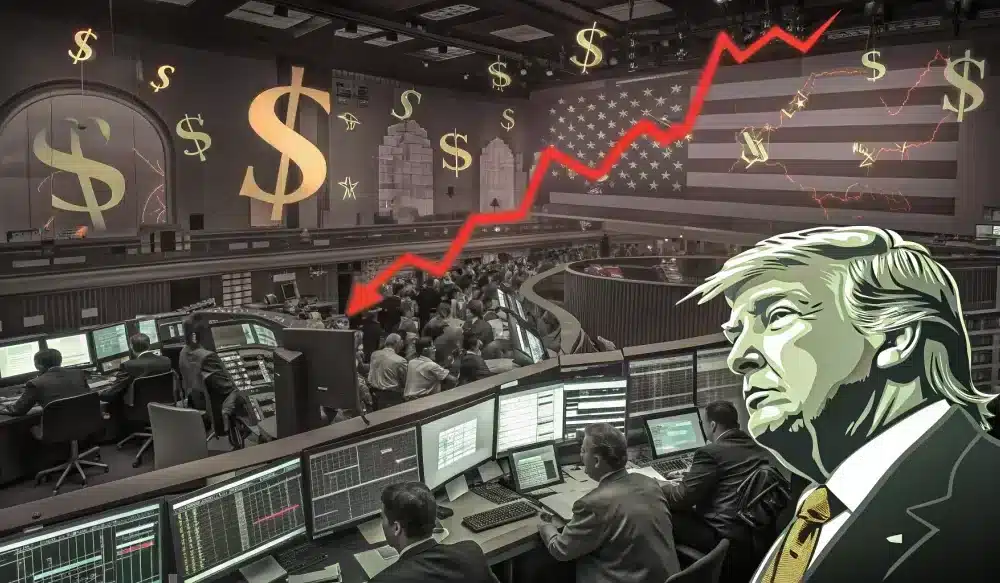
U.S. President Donald Trump’s announcement of sweeping tariffs on global trading partners sent shockwaves through financial markets, including the highly volatile cryptocurrency sector. On April 2, 2023, Trump unveiled a blanket 10% tariff aimed at various countries, with elevated rates for major economies like China, the European Union, and Japan. While the intentions behind the tariffs were to rebalance trade dynamics, the immediate aftermath reflected a sharp downturn in both Bitcoin and major cryptocurrencies, signifying the sensitive nature of these digital assets to macroeconomic changes.
Initially, the cryptocurrency market reacted with optimism, but this sentiment quickly turned sour as investors began to assess the broader economic implications of the tariffs. Following the announcement, Bitcoin (BTC) briefly surged to $88,500 before plummeting by 2.6% to around $82,876. Ethereum (ETH) saw an even more drastic decline, dropping from $1,934 to $1,797, representing a 6% decrease. Market capitalization for cryptocurrencies sank by 5.3%, reaching approximately $2.7 trillion, while the Crypto Fear & Greed Index tumbled to an alarming “extreme fear” rating of 25.
The turbulence didn’t halt there; a significant outflow of institutional investments was reported, with Bitcoin Exchange-Traded Funds (ETFs) experiencing a $157.8 million withdrawal and Ethereum ETFs facing a $3.6 million outflow. These movements occurred amid rising anxieties over the potential escalation of the trade war sparked by Trump’s tariffs. Nonetheless, the same day, BTC ETFs saw inflows amounting to $218.1 million, while ETH ETFs were met with $51.3 million in outflows, reflecting an immediate yet complex investor response.
Concerns over the geopolitical implications of the tariffs led to statements from key financial figures, including U.S. Treasury Secretary Scott Bessent. In an effort to alleviate market fears, Bessent urged U.S. trading partners to avoid retaliatory measures. He suggested that the tariffs outlined by Trump represented the “high end” of potential trade actions, implying that restraint in response could provide a stabilizing influence on global markets. This call for caution was echoed by Daan Crypto Trades and other analysts, who recognized the fragile economic landscape marked by heightened uncertainty.
As the dust settled, the question remained: What lies ahead for Bitcoin and the broader cryptocurrency market? Despite the initial shock from the tariffs, on-chain data began to reveal signs of institutional accumulation, suggesting that long-term confidence in Bitcoin’s value was far from extinguished. Importantly, shifts in political sentiment toward digital assets and macroeconomic trends might bolster Bitcoin’s status as a hedge against traditional market instability. Analysts noted that maintaining critical support levels, such as $76.5k for Bitcoin, could indicate a pathway toward recovery, representing an important threshold as upcoming economic events unfolded.
In conclusion, while Trump’s tariff announcement undoubtedly rattled the cryptocurrency market, it also presented an opportunity for Bitcoin to demonstrate its resilience. Despite initial sell-offs and market fear, the foundations for institutional interest and political support highlighted Bitcoin’s evolving role in the financial ecosystem. As the economic landscape continues to shift, the cryptocurrency sector may prove to be an essential player in navigating global uncertainties, positioning itself as an asset class worthy of attention amid traditional market volatility.
Ultimately, this series of events serves as a reminder of the intricate relationship between macroeconomic factors and cryptocurrency markets. As institutional interest grows, equipped with robust on-chain data demonstrating accumulation, stakeholders may find themselves optimistic about the potential for recovery despite challenging conditions. As Bitcoin adapts and evolves, it solidifies its presence as a significant player in the world of finance, keeping an eye on future developments shaped by geopolitical and economic shifts.