



The Democrats’ Push for SEC Action in the Crypto World
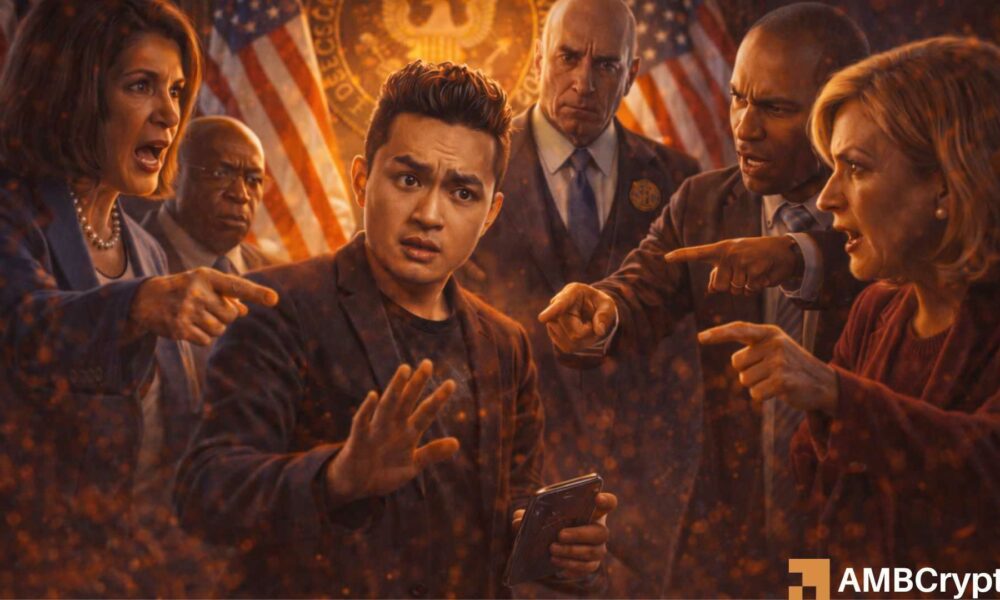
In recent developments, House Democrats are focusing their efforts on the Securities and Exchange Commission (SEC), particularly regarding a regulatory rollback slated for the crypto sector in 2025. Notably, a letter addressed to SEC Chair Paul Atkins by representatives Maxine Waters (D-CA), Sean Casten (D-IL), and Brad Sherman (D-CA), has galvanized interest in holding crypto figurehead Justin Sun accountable for alleged fraudulent activities. This initiative seeks to restore not just order within the market but also investor confidence following controversies overshadowing the SEC’s recent actions.
Calls for Action Against Justin Sun
Waters and her colleagues emphasize that charging Justin Sun would serve as a pivotal move for the SEC to showcase its commitment to protecting American investors. The lawmakers contend that pursuing a case against Sun can offer a semblance of justice for victims of his alleged fraudulent activities. They reiterated their stance, stating that the SEC should revisit its request to stay litigation against Sun, aiming to ensure that affected investors are compensated. This perspective reflects growing frustrations surrounding perceived inactions and regulatory hesitance from the SEC, positioning the agency to reclaim public trust.
Allegations of Political Interference
A significant aspect of the letter involved assertions that the SEC’s recent pause in enforcement against Sun was influenced by his connections to political players, specifically the Trump family. Waters and her team allege that between 2025 and 2026, Sun made substantial contributions—approximately $75 million—to World Liberty Financial (WLFI), a decentralized finance project associated with Donald Trump’s family. They allege that following the court’s pause on enforcement, Sun intensified his involvement by becoming a major purchaser of Official Trump tokens, leading the lawmakers to accuse him of engaging in a "pay-to-play" scheme. This has raised questions surrounding the SEC’s integrity as it grapples with allegations of effective favoritism towards politically connected figures.
Broader Implications for the Crypto Sector
The allegations do not merely stop at Justin Sun; they extend to a broader critique of the SEC’s regulatory approach toward various crypto firms, including Coinbase, Ripple, and Binance. Waters, Casten, and Sherman assert that there has been a marked decline in enforcement actions against these firms, correlating with the political donations made to Trump’s inauguration campaign. Their argument highlights a possible systemic issue where financial contributions may unduly influence regulatory decisions, thereby leaving American investors vulnerable and unprotected against potentially fraudulent behavior in the cryptocurrency space.
The Context of Regulatory Rollbacks
Amidst these calls for action, there is an ongoing concern regarding the SEC’s regulatory rollbacks, which some Democrats argue could exacerbate existing market vulnerabilities. With cases against prominent firms reportedly dismissed or settled through what they term "pay-to-play" tactics, the lawmakers argue that such trends deter stringent regulatory measures essential for safeguarding investors. By drawing attention to this issue, Waters and her colleagues aim to both inform the public and pressure the SEC into reconsidering its current course of action as the cryptocurrency market continues to mature.
Market Reactions and Future Outlook
Despite the heated political discourse surrounding Sun and potential SEC actions, the market reaction has been relatively muted. On January 15, Tron (TRX)—associated with Justin Sun—recorded a gain of 2.6%, oscillating along with broader market sentiments. This illustrates an intriguing dynamic where significant political developments may not necessarily translate into immediate market fluctuations, indicating a potential desensitization among crypto investors, or perhaps confidence in the market’s overall resilience.
Conclusion
The emerging tensions between House Democrats and the SEC highlight critical regulatory challenges in the rapidly evolving cryptocurrency market. By focusing on accountability, particularly for figures like Justin Sun, lawmakers are pushing for a re-evaluation of the SEC’s approach to investor protection in the sector. While immediate market responses may appear limited, the long-term implications of these actions and allegations will be vital in shaping the landscape of cryptocurrency regulation and investor confidence in the United States. As the scenario progresses, stakeholders across the board will be closely monitoring both political developments and market reactions to these crucial regulatory decisions.