



SAFE Crypto Act: A Major Step Towards Combating Cryptocurrency Investment Scams
As the landscape of cryptocurrency investment continues to evolve, so too do the threats lurking within it. The alarming surge in investment scams has prompted a bipartisan approach from the U.S. Senate to tackle this growing issue. On December 17, Senators Elissa Slotkin (D-MI) and Jerry Moran (R-KS) introduced the Strengthening Agency Frameworks for Enforcement of Cryptocurrency (SAFE) Crypto Act. This pivotal legislation aims to mitigate the challenges currently faced by regulators in combating fraud, safeguarding American investors from the billions lost to scams each year.
Understanding the SAFE Crypto Act
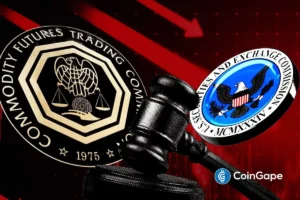
The SAFE Crypto Act distinguishes itself from previous regulatory attempts by taking a more collaborative and pragmatic approach to enforcement. Historically, efforts to regulate cryptocurrencies have been hindered by jurisdictional conflicts between the Securities and Exchange Commission (SEC) and the Commodity Futures Trading Commission (CFTC). In contrast, the SAFE Crypto Act proposes a federal task force that unifies the efforts of critical agencies, including the Treasury Department, the Department of Justice (DOJ), and the Secret Service. This strategic interplay between government entities and private sector blockchain intelligence aims to transition from a reactive stance toward one of real-time prevention and interdiction of illicit financial activities.
The Task Force Initiative
If adopted, the SAFE Crypto Act mandates the establishment of a task force within 180 days, breaking the traditional, isolated group dynamics often seen in government. This task force will not only consist of senior officials from federal agencies but also leading figures from the cryptocurrency industry, including exchanges and blockchain analytics firms. The inclusion of private entities is essential since much of the data required to uncover scams exists on private platforms and ledgers, rather than public government databases. By decentralizing responsibilities and expertise, the SAFE Crypto Act aims to bolster the current framework for detecting and addressing crypto-related fraud.
Addressing the Nature of Scams
A keen observation made by lawmakers highlights a grim reality: the most devastating scams are not always technical hacks but often rely on psychological manipulation and social engineering. According to the 2024 FBI Internet Crime Report, U.S. residents lost an astonishing $9.3 billion to cryptocurrency scams last year, reflecting a staggering 66% increase from the previous year. Notably, schemes such as “pig butchering,” where perpetrators build trust with victims over months before draining their savings, have proven especially damaging. The SAFE Crypto Act addresses these threats head-on by focusing the task force’s efforts on public education campaigns and international collaboration to dismantle established scam networks.
Key Mandates of the Task Force
The SAFE Crypto Act outlines critical mandates for the task force. First, it aims to develop advanced public education initiatives to empower consumers to recognize and resist evolving scams. This approach mirrors the sophisticated techniques employed by fraudsters, ensuring that individuals are better equipped to safeguard their investments. Second, the task force is tasked with closely working with international governments to target global hubs of scamming activity operating outside U.S. jurisdiction. Finally, within one year, the task force will produce a report identifying ineffective laws and proposing legislative reforms needed to address these gaps in the legal framework.
Recent Global Action Against Scams
The urgency behind the SAFE Crypto Act is underscored by recent events in the world of cryptocurrency fraud. Authorities recently exposed an international scam and money-laundering operation responsible for stealing over €700 million. Following a coordinated raid on October 27, authorities arrested nine individuals and seized over €1.5 million across multiple countries, including Cyprus, Germany, and Spain. This successful operation highlights the importance of a unified approach, combining resources and intelligence to combat organized cyber fraud. As investigations continue and assets are recovered, such actions serve as a blueprint for future efforts to dismantle existing phishing networks.
Concluding Thoughts
In sum, the SAFE Crypto Act represents a significant leap forward in the U.S. government’s efforts to combat cryptocurrency fraud. By establishing a dedicated task force that includes both public and private sector entities, the legislation proposes a collaborative framework previously lacking in regulatory approaches. As lawmakers call for a comprehensive review of existing laws and strategies, it is clear that U.S. crypto-fraud policies are on the cusp of substantial transformation. The ongoing commitment to protecting American investors against scams in the digital asset space will not only safeguard billions in lost investments but also help legitimize the evolving world of cryptocurrency.