



Bitcoin’s Structural Resilience Amidst Recent Challenges
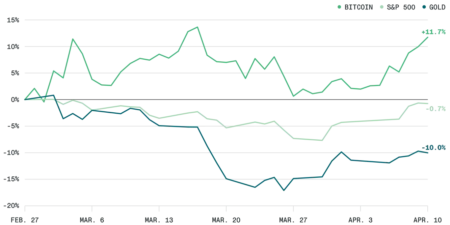
Despite the ominous date of Friday the 13th, analysts conclude that Bitcoin’s price stability, lingering beneath $70,000, could be attributed to a structurally resilient market rather than sheer bad luck. With shallow demand and ETF-related outflows restraining potential price surges, Bitcoin’s standing reflects cautious optimism among investors and market specialists. As various industry developments unfold, it’s clear that the crypto landscape, particularly for Bitcoin, exhibits both challenges and opportunities, steering the sector through uncertain times.
In a recent incident highlighting vulnerabilities in crypto asset management, South Korean authorities reported the theft of 22 Bitcoin (BTC) from a cold wallet, initially seized during a 2021 investigation. The value of this stolen crypto currently hovers around $1.5 million. It’s noteworthy that the USB device containing the Bitcoin was never compromised; rather, the funds were drained undetected over time. In the wake of this loss, the Gyeonggi Bukbu Provincial Police Agency has initiated an investigation to ascertain how this breach occurred and to determine if any insiders were involved. This incident is compounded by a previous lapse at the Gwangju District Prosecutors’ Office, where another 320 BTC was lost due to a phishing attack, intensifying scrutiny on crypto evidence handling procedures across law enforcement agencies.
In France, security concerns have escalated for crypto leaders as recent events unfold. David Princay, head of Binance France, was victim to a failed home invasion, marking a worrying trend of physical attacks on industry figures. Three masked perpetrators targeted his residence but were quickly apprehended thanks to police efforts utilizing stolen mobile phones and surveillance footage. This incident underscores the rising risk of such “wrench attacks” in the growing crypto sector, where armed assailants attempt to extract digital assets from victims. Over the past year, incidents of kidnappings and ransom attempts linked to crypto holders have surfaced, revealing the pressing need for enhanced security measures within the space.
In addition to these troubling events, the legal landscape continues to evolve with significant rulings impacting the crypto industry. Ramil Ventura Palafox, CEO of Praetorian Group International, received a 20-year prison sentence for orchestrating a colossal $200 million Bitcoin Ponzi scheme that impacted over 90,000 investors globally. Prosecutors highlighted that Palafox misled investors with promises of daily returns but instead utilized funds from newer investors to pay off earlier participants. Following his guilty plea, he is also compelled to repay $62.7 million, shedding light on the ongoing issue of fraud within the crypto market and the importance of regulatory oversight in safeguarding investors.
Amidst these challenges, the Ethereum Foundation witnessed a notable leadership change as Tomasz Stanczak announced his decision to step down as co-executive director. Bastian Aue will take over on an interim basis, alongside Hsiao-Wei Wang. This transition occurs shortly after the foundation restructured its executive team amid criticism regarding transparency and strategic direction. During his tenure, Stanczak played a pivotal role in enhancing the foundation’s roadmap and pushing initiatives in Layer 2 scaling and blockchain efficiency. His departure could pave the way for new developments and direction at a time when community expectations are high.
In a different realm of crypto activities, a proposed class action lawsuit targets prominent political figures Steve Bannon and Boris Epshteyn, accusing them of misleading investors concerning the Let’s Go Brandon memecoin. The lawsuit alleges the token was inappropriately labeled as decentralized while under centralized control, raising questions about the integrity of promotional practices in the industry. As the crypto sector continues to attract both hype and scrutiny, this case epitomizes the ongoing legal and ethical challenges surrounding emerging digital assets.
Looking forward, the crypto landscape remains positioned for significant developments. As the UK releases its CPI inflation figures and the U.S. prepares for various economic data, crypto projects such as Starknet and Arbitrum anticipate token unlocks, potentially impacting market dynamics. Events like ETHDenver are on the horizon, promising to gather thought leaders and innovators in the space. As the industry navigates these evolving narratives, investors and enthusiasts alike should remain vigilant for new trends and regulatory insights shaping the future of digital assets.
In summary, while Bitcoin’s price may be stable, the broader crypto environment is marked by notable risks and events. From security breaches to legal actions and leadership transitions, the industry is constantly evolving. Stakeholders must stay informed and agile in their strategies to effectively navigate the complexities of this dynamic digital landscape.