



Peter Thiel’s Exit from ETHZilla: A Shift in Strategy and Market Dynamics
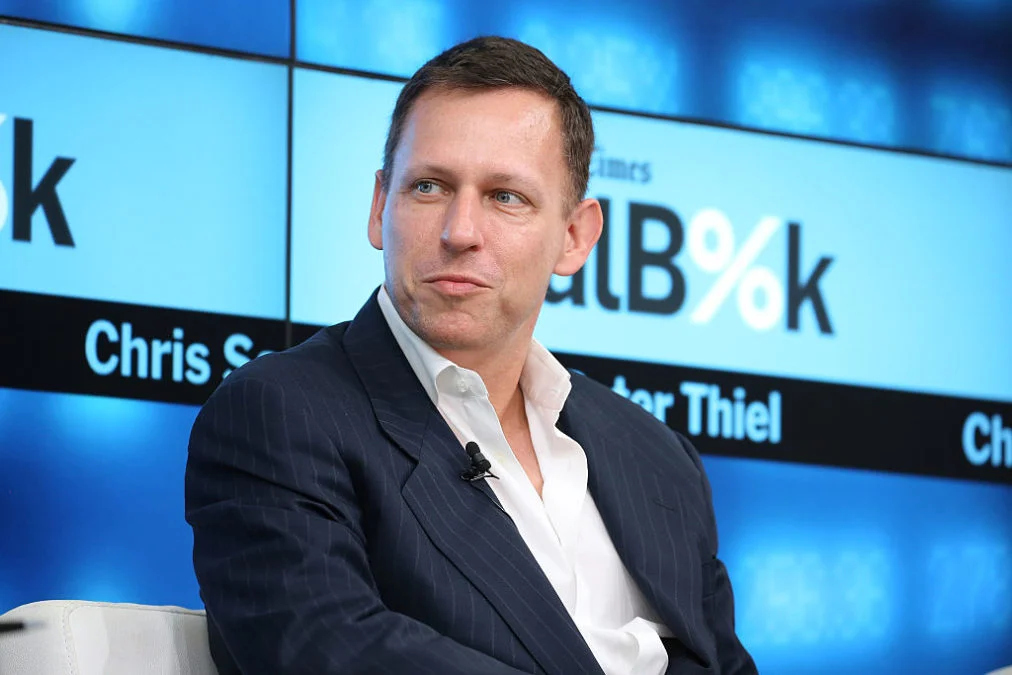
Tech billionaire Peter Thiel and his associated Founders Fund entities have recently exited their entire stake in ETHZilla (Nasdaq: ETHZ), a company focused on Ethereum treasury management. This exit was officially disclosed in a 13G filing with the U.S. Securities and Exchange Commission. Following the announcement, ETHZilla’s shares experienced a nearly 7% decline during premarket trading, with shares hovering around $3.20, a staggering 97% drop from its peak of $107 reached in August 2025. This pivot toward a digital asset treasury model has raised questions about the company’s future prospects and market positioning.
Thiel and his entities initially acquired a 7.5% stake in ETHZilla during its rebranding phase from 180 Life Sciences Corp., a biotech firm, in August 2025. This investment significantly bolstered ETHZilla’s share price, which soared over 90% on the day the announcement was made. The firm intended to establish itself as a primary vehicle for Ethereum accumulation, providing public market investors with direct exposure to Ethereum (ETH) while leveraging staking mechanisms for yield generation. This ambitious strategy was supported by a $565 million capital raise from a diverse group of more than 60 investors, including major players like Electric Capital, Polychain Capital, and GSR.
Despite these ambitious goals, ETHZilla has recently modified its accumulation strategy, opting to liquidate portions of its ETH holdings instead. In October, the company sold approximately $40 million worth of Ether to finance a $250 million stock repurchase plan authorized by its board. Additionally, in December, ETHZilla redeemed outstanding senior secured convertible notes by selling 24,291 ETH, valued at around $74.5 million at the time. These moves indicate a strategic shift, suggesting that the firm’s focus may now be on stock buybacks rather than expanding its ETH treasury.
Looking ahead, ETHZilla has announced a new direction focusing on revenue and cash flow growth through Real World Asset (RWA) tokenization. The firm has already embarked on various tokenization initiatives, including the acquisition of a portfolio of manufactured and modular home loans for approximately $4.7 million, which will be tokenized on an Ethereum Layer 2 protocol. The expected yield from this initiative is positioned at an annualized 10.36%. Furthermore, ETHZilla has made significant investments in tokenizing physical assets, such as two CFM56-7B24 aircraft engines through the SEC-regulated platform, Liquidity.io.
Currently, ETHZilla ranks as the sixth-largest corporate holder of Ethereum, boasting a stake of 69,802 ETH worth approximately $139 million. While this position is substantial, it is dwarfed by industry leader Bitmine Immersion Technologies, which commands a staggering 4,371,497 ETH valued at approximately $8.7 billion. Collectively, the top 10 corporate holders of Ethereum command a total of 6,101,560 ETH, translating to a market value exceeding $12 billion. As the landscape of Ethereum-related investments continues to evolve, the performance and strategic decisions of ETHZilla will be closely monitored by market participants.
In summary, Peter Thiel’s exit from ETHZilla marks a significant shift in the firm’s strategy from an aggressive accumulation of Ethereum towards a focus on tokenization and asset management. As the crypto-market landscape continues to adapt and transform, the ongoing initiatives surrounding RWAs might provide ETHZilla with a new revenue model. Overall, industry stakeholders will keenly observe these developments, as they may have broader implications for the integration of traditional assets and blockchain technology.
With such dynamic changes happening within ETHZilla and the cryptocurrency sector at large, keeping an eye on future market trends, stakeholder activities, and regulatory environments will be crucial for understanding the full impact of these developments on the landscape of digital asset investments.