




Meta’s Metaverse Spending Cuts: A Strategic Pivot for Growth
Meta Platforms, Inc. (META) is reportedly considering a significant reduction in its metaverse spending, potentially marking one of the company’s most crucial strategic shifts since its rebranding to Meta in 2021. Analysts view this potential change as a move that could provide considerable upside for the company’s stock, amidst mounting concerns regarding the viability of its metaverse initiatives.
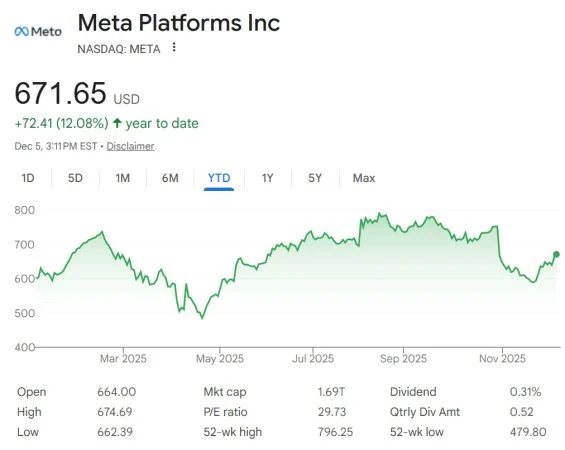
In a recent note, analysts from Mizuho characterized Meta’s Reality Labs division—a hub for the development of virtual reality (VR) headsets and mixed-reality hardware—as an "black hole" with approximately $80 billion in cumulative operating losses. They argue that cutting expenditures by up to 30% could substantially enhance Meta’s earnings profile. Mizuho also estimates that such reductions could contribute an additional $2 per share to Meta’s earnings by 2026. This forecast aligns with Mizuho’s "Outperform" rating and an ambitious price target of $815 per share. Such a target would represent a 21% increase from the current stock price of around $672, according to Google Finance.
Investor sentiment appears increasingly pessimistic regarding Meta’s prospects. Conversations reveal a growing perception among investors that a retraction from the metaverse is long overdue. Even Meta’s leadership has indicated the seriousness of the situation. A leaked memo from Chief Technology Officer Andrew Bosworth suggested that the mixed-reality projects are at a critical juncture, stating that the upcoming year will determine how these initiatives are perceived—either as visionary or as a monumental misstep.
The reported spending cuts align with this sense of urgency, with credible sources indicating that Meta executives are evaluating reductions of up to 30% for Reality Labs during the 2026 budgeting process. These cuts would surpass the general savings targets of about 10% that have been applied to most other divisions within the company. Analysts mention that layoffs may be on the horizon, although no final decisions have yet been made.
Reality Labs has racked up over $70 billion in losses since 2021, while Meta’s Horizon Worlds has struggled to attract users. Despite CEO Mark Zuckerberg’s assertions that the company is not shifting away from its metaverse vision, the platform’s lack of traction has raised alarms. Increased pressures regarding the financial sustainability of this division have led analysts to voice concerns that resources are being diverted from Meta’s burgeoning artificial intelligence (AI) ventures. The anticipated cuts could alleviate that concern, redirecting both financial and operational focus back toward AI.
The challenges facing Meta’s metaverse aspirations are not just confined to the company itself. The broader metaverse ecosystem has seen a dramatic decline, with tokens tied to various virtual-world platforms plummeting from their peaks in early 2025. For example, tokens like Render have fallen out of the top 100 digital assets, with market capitalization dipping below $1 billion. Similarly, platforms like Sandbox and Decentraland are trading near all-time lows. Overall, the metaverse-token market is now valued at under $3.2 billion, a staggering drop from over $500 billion at the start of the year, highlighting the frailty of this once-promising sector.
In conclusion, Meta’s consideration to significantly scale back its metaverse investments could signify a critical pivot for the tech giant. As analysts highlight the potential financial benefits of these cuts, including enhanced earnings and a refocused operational strategy, the future of the company may depend on how it navigates these challenges. While still a work in progress, such strategic changes could offer new opportunities for growth in the realms of AI and beyond, attempting to restore investor confidence in a volatile market landscape.