



Market Volatility: The Impact of Inflation and Geopolitical Tensions on Bitcoin and Cryptocurrencies
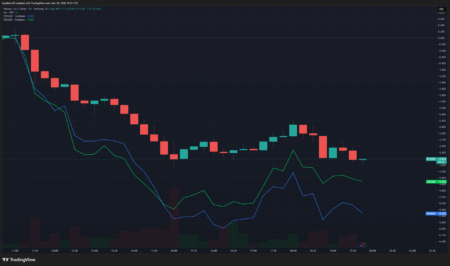
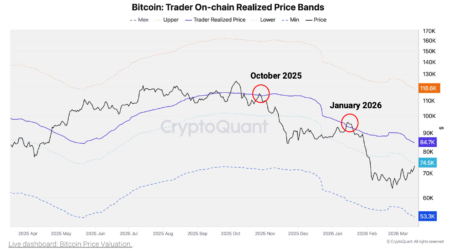
In recent days, Bitcoin (BTC) and other significant cryptocurrencies have experienced a sharp downturn, paralleling a broader risk-off sentiment across global markets. On Thursday, Bitcoin briefly fell to $69,969 before rebounding to just above the $70,000 mark. This decline represents a 5.5% drop over the past 24 hours and a staggering 43% decrease from its all-time high of approximately $124,700 reached in October 2025. Ethereum also faced similar headwinds, sliding 6.9% to $2,159, while the GMCI 30 index, which tracks the top 30 cryptocurrencies by market capitalization, saw a decline of about 5.4%.
The cryptocurrency selloff aligns with a dramatic decrease in Asia-Pacific equities, mirroring the losses witnessed on Wall Street a day prior. The Dow Jones Industrial Average closed down 1.6%, while the Nasdaq Composite dropped 1.5%. In particular, Japan’s Nikkei 225 led regional losses with a 3.4% fall, followed closely by South Korea’s Kospi, which slid 2.7%. These trends indicate that macroeconomic factors, rather than crypto-specific developments, are driving market fluctuations.
The backdrop for this downturn is a troubling inflation landscape in the U.S. The Federal Reserve has held its benchmark interest rate steady at 3.5% to 3.75%, despite inflationary pressures. Notably, data released this week revealed that the U.S. producer price index rose by 0.7% in February, greatly exceeding economists’ estimates of 0.3%. As a result, investors are increasingly worried about rising inflation rates and how they will influence Federal Reserve policy moving forward, contributing to a heightened sense of caution in financial markets.
Compounding these problems are rising geopolitical tensions, particularly regarding the ongoing conflict in Iran, which is contributing to spikes in energy prices. Brent crude oil climbed around 7.4% to nearly $115 per barrel, with West Texas Intermediate (WTI) crude gaining approximately 1.2% to settle at $97.50. The increase in oil prices is another macro factor stoking inflation fears, thus exacerbating the risk-off sentiment in the markets.
Analysts clarify that the current downturn in cryptocurrencies is primarily fueled by macro conditions rather than any intrinsic issues within the crypto space. Rick Maeda of Presto Research explains that a liquidity-driven selloff is occurring, marked by a strengthening U.S. dollar and rising yields that reduce the appeal of traditional safe havens like gold and cryptocurrencies. Nick Ruck from LVRG Research echoes this sentiment, attributing declines to a combination of inflation data and the hawkish tone set by the Federal Reserve, which sets the stage for a more cautious trading environment.
As the landscape continues to unfold, traders and analysts are keeping a watchful eye on upcoming macroeconomic indicators, including Consumer Price Index (CPI) reports, Federal Reserve commentary, and geopolitical developments that could further impact energy prices. The $70,000 level for Bitcoin remains a critical technical benchmark during this volatile period. Dominick John of Zeus Research notes that compounding macro pressures have hastened market declines through forced liquidations and leverage unwinds, exemplifying how external factors can rapidly influence cryptocurrency pricing.
In summary, the recent volatility in Bitcoin and other major cryptocurrencies is deeply intertwined with macroeconomic pressures, including rising inflation, Federal Reserve actions, and geopolitical tensions. With uncertainty shaping the current market landscape, the future remains unpredictable. Cryptocurrency investors and traders must stay informed and agile as they navigate this tumultuous environment, continuously monitoring how macro developments will influence their assets.