




Bitcoin and Cryptocurrency Market Dip: Causes and Implications
On a recent Sunday evening, spanning a turbulent hour in the cryptocurrency market, Bitcoin (BTC) and other significant cryptocurrencies faced a sharp decline. Bitcoin plummeted from approximately $67,600 to around $64,700, marking a decline of over 4% within a short frame. Ether (ETH) also experienced a downturn, falling 5.77% to $1,861, while XRP and Solana saw drops of 6.42% and 8.3%, respectively. This collective dip triggered hundreds of millions of dollars in liquidations across long positions, highlighting the volatility present within the market.
Massive Liquidations Amid Market Instability
The rapid drop in cryptocurrency values led to the liquidation of nearly $360 million in long positions, primarily in the realms of Bitcoin and Ether. Analysts, including Rachael Lucas from BTC Markets, attributed this downturn to a series of macroeconomic shocks straining an already delicate market. Factors such as geopolitical unrest in Mexico and dismal housing market data from the United States compounded fears and contributed to the rapid decline in market confidence. Many traders had already been wary due to five consecutive weeks of ETF outflows, indicating declining investor interest.
Geopolitical Factors Affecting Investor Sentiment
The unfolding crisis in Mexico, marked by the assassination of cartel leader Nemesio "El Mencho" Oseguera, has incited widespread violence and led airlines to suspend operations to the nation, adding an additional layer of uncertainty. Alongside this, the U.S. housing market saw pending home sales decrease by 0.8% to their lowest since 2001, suggesting economic sluggishness. The announcement of increased tariffs by President Donald Trump further exacerbated market apprehensions. This chaotic backdrop has fueled a risk-off sentiment across global markets, leading to declines not just in cryptocurrencies but also in traditional assets like Wall Street futures.
Implications for Bitcoin and Other Cryptocurrencies
According to industry experts, the conditions in Bitcoin’s market texture indicate a broader risk-off narrative rather than signals unique to the cryptocurrency. Vincent Liu, CIO of Kronos Research, pointed out that the surge of the Japanese yen, likely due to anticipated monetary policy changes in Japan, further prodded global funds to reduce their leverage, amplifying the sell-off in riskier assets. The liquidity challenges in Bitcoin’s trading infrastructure could not absorb the shock, resulting in the rapid decline witnessed.
Looking Ahead: Potential for Recovery
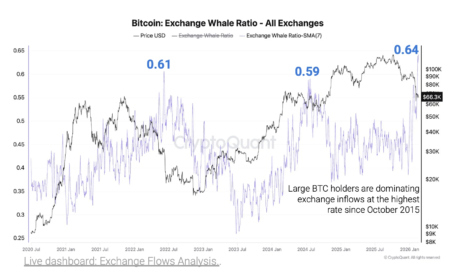
Market analysts see a critical threshold around $60,000 for Bitcoin, which could serve as a support level. A recovery back to the $65–66K range may stabilize Bitcoin, with a rebound possible above $70K largely depending on broader macroeconomic flows. Factors such as renewed ETF inflows or forthcoming regulatory clarity via the proposed CLARITY Act could enhance market stability and draw institutional investments back in. Lucas noted that while the current sentiment might appear bearish, significant whale activity, such as the addition of 200,000 BTC in a month, suggests underlying strength within the market.
Conclusion: Navigating the Crypto Landscape
As the crypto market grapples with uncertainty, the interplay between geopolitical events, economic indicators, and investor sentiment will remain critical in shaping future trajectories. The current dip, while alarming, also presents opportunities for recovery if macro factors stabilize. The crypto space is highly dynamic, and while the short-term picture may seem challenging, historical resilience and emerging regulatory frameworks could set the stage for a rebound. Investors and traders alike will need to remain vigilant and informed as the landscape continues to evolve.