



Oil Prices Surge Amid U.S.-Iran Conflict: The Impact on Global Markets
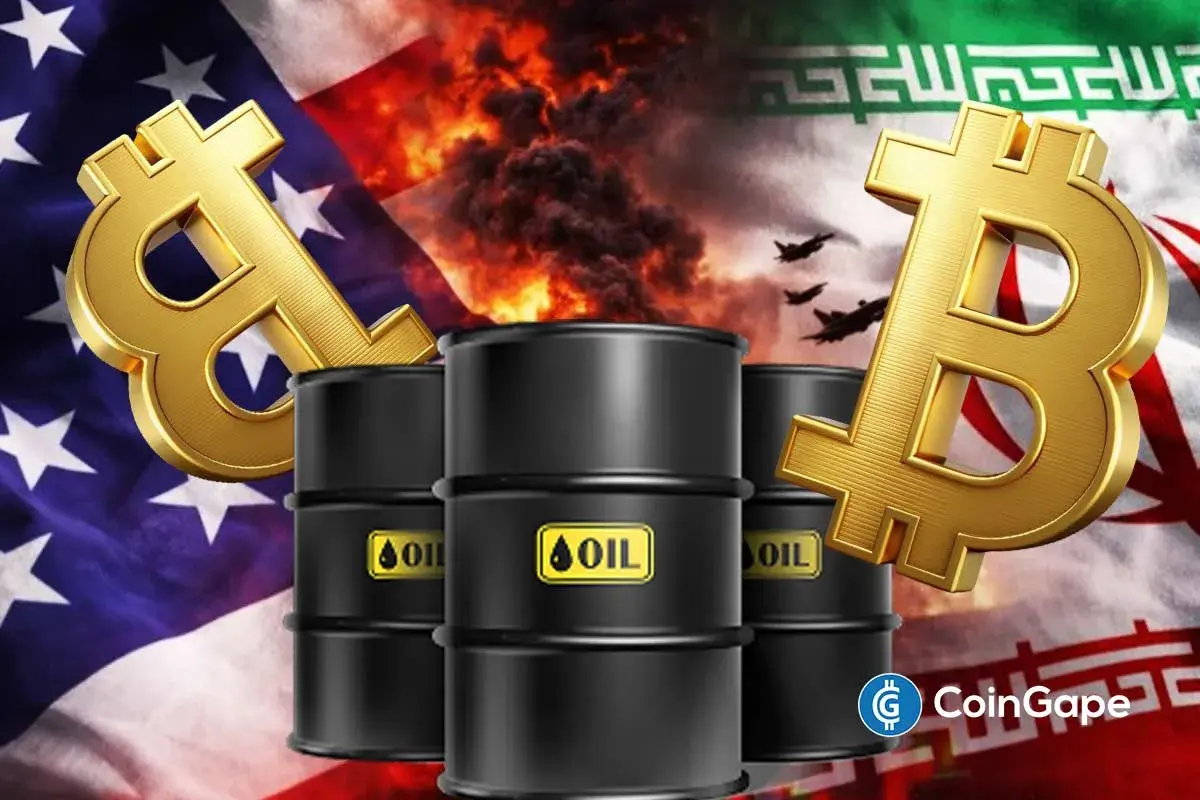
Recent developments in the Middle East have sent shockwaves through global energy markets, with oil prices skyrocketing as the U.S.-Iran war disrupts critical supply routes. As the hostilities escalate, U.S. crude oil prices have surged above $78 per barrel for the first time since January 2025, marking a significant increase of approximately 43% since last December. Brent crude has also followed suit, climbing to over $83 per barrel, signaling a turbulent landscape for energy markets as fears regarding supply shortages loom large.
The primary catalyst behind this surge is the noticeable drop in tanker traffic through the Strait of Hormuz—one of the world’s most important oil shipping routes. Reports indicate that tanker traffic has plummeted by more than 95%, as shipowners steer clear of this increasingly perilous corridor despite available insurance options. This vital chokepoint typically accommodates about 15 million barrels of oil daily, and its disruption raises alarming concerns about global oil supply stability. The International Energy Agency has flagged the potential risks associated with this significant decline.
In response to the rapidly changing circumstances, governments and refiners worldwide are initiating emergency plans to ensure fuel availability. For instance, China has taken preemptive measures by instructing its refiners to halt fuel exports to bolster domestic supplies, while companies in Japan and India are exploring options to avert potential fuel shortages. The mounting tension in the region brings a spectrum of uncertainties, prompting analysts to warn that the situation could deteriorate further, especially if the violence escalates with tanker attacks or damage to energy infrastructure. Already, diesel markets have tightened, with European diesel prices seeing an increase of over 40% since the conflict began.
While oil markets are electrified by these developments, the cryptocurrency landscape presents a contrasting picture. Bitcoin’s price has retreated slightly but remains above the critical $70,000 threshold, trading at approximately $71,446—a decline of 1.53% in the past hour. This dip comes in the wake of a previous surge that brought Bitcoin prices close to $73,000. Analysts are noting that the ongoing war may shape a negative outlook for Bitcoin, especially if the market reacts in a manner similar to the dynamics observed during the Ukraine conflict. Despite the short-term price fluctuations, Bitcoin sentiment remains robust, reflecting underlying confidence amongst investors.
Riding this wave of uncertainty, Bitcoin ETF inflows have played a crucial role in sustaining the cryptocurrency’s resilience during tumultuous times. In early March, hundreds of millions of dollars flowed into U.S. spot Bitcoin ETFs, with one day alone seeing inflows surpassing $200 million. The derivatives market has also seen considerable activity, with increased open interest and negative funding rates indicating crowded short positions. These conditions have resulted in aggressive short covering, contributing to upward price movements for Bitcoin amidst broader market volatility.
While oil and Bitcoin remain focal points in the discourse on market reactions to geopolitical tensions, precious metals like gold have experienced their share of tumult. Spot gold prices have dipped below $5,100 per ounce following an erratic trading session, despite earlier rallies that pushed prices near record highs around $5,600 in 2026. The swift market moves have raised eyebrows, particularly as reports indicate over $800 billion has been wiped off gold and silver markets in a matter of hours. Despite the reaction, gold’s decline is relatively minimal, with only a 0.5% drop from its recent peaks.
These concurrent market behaviors emphasize the complex interplay between geopolitical events and financial assets. The U.S.-Iran war has catalyzed a rollercoaster ride for oil prices, presenting both challenges and opportunities for investors navigating these turbulent waters. As the situation remains fluid, it highlights the need for continuous monitoring of energy markets, cryptocurrency trends, and safe-haven assets like gold, which are all impacted by ongoing global conflicts.
In summary, as the U.S.-Iran conflict shapes the market landscape, oil prices are surging due to disruptions in supply routes, while Bitcoin and precious metals markets are experiencing their own volatility. The interdependencies among these disparate market segments underscore the necessity for investors to stay informed and prepared for the potential repercussions of escalating geopolitical tensions.