



Supreme Court Challenges Trump’s Tariff Authority: A Market Perspective
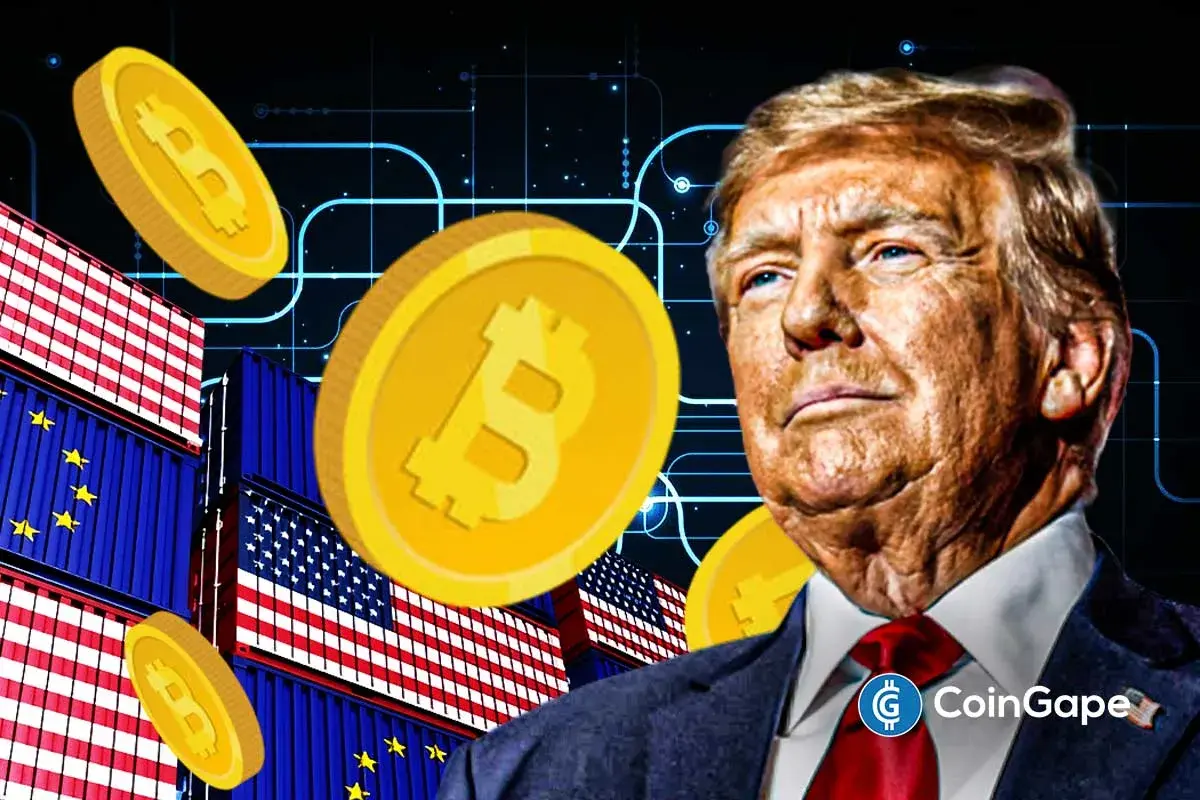
Polymarket traders recently reacted sharply to the uncertainty surrounding President Donald Trump’s Supreme Court tariff case, cutting the odds of his success significantly after a hearing raised questions about the legality of his extensive trade measures. Within a single trading day, market odds dropped by an astonishing 26%, indicating traders’ growing skepticism regarding the administration’s authority to impose tariffs.
Doubts Raised by the Supreme Court Justices
During the hearing, both conservative and liberal members of the Supreme Court expressed considerable doubt about the administration’s use of emergency powers to impose broad tariffs. The Court scrutinized whether the International Emergency Economic Powers Act, typically used for sanctions, could legitimately authorize these sweeping duties. Justices probed the basis for using a law historically not employed for tariffs in a context that impacts nearly all major trading partners, emphasizing that the Constitution specifically assigns taxing authority solely to Congress.
Justice Sonia Sotomayor made a compelling argument, pointing out that tariffs generate revenue from U.S. importers and consumers rather than foreign manufacturers. She stressed that labeling tariffs as regulatory tools did not absolve them from their tax-like implications, underscoring a critical constitutional perspective on executive power and authority.
Concerns About Unchecked Executive Power
Justice Neil Gorsuch raised a significant concern regarding unchecked executive authority, suggesting that a president’s ability to declare an emergency could lead to unilateral actions without Congressional approval. This kind of power invites potential overreach and undermines the system of checks and balances central to American governance. The recent market fluctuations highlight this tension, with traders reacting quickly to these legal uncertainties.
In the wake of escalating tariffs—such as the recent 100% increase on Chinese imports—Trump’s administration announced a reduction in tariffs due to a one-year trade agreement. However, this shift does not erase the legal complexities regarding who truly holds the power to impose such tariffs.
Bipartisan Hesitation from Supreme Court Justices
Chief Justice John Roberts and other conservative justices echoed concerns about the administration’s overreach, demonstrating a rare moment of bipartisan skepticism. Previous lower court rulings had already indicated that Trump had exceeded his executive authority, and the Supreme Court hearing further unveiled weaknesses in the administration’s legal arguments.
Arguments from government lawyers centered on the claim that the tariffs were needed to address trade imbalances and combat global fentanyl smuggling. In contrast, plaintiffs contended that the policy circumvented constitutional provisions designed to check presidential power regarding taxation. The stakes of the Supreme Court’s decision are enormous; if the Court rules against the Trump tariffs, it could lead to the U.S. Treasury owing substantial refunds.
Potential Economic Implications
Officials have estimated that potential refunds could exceed $750 billion, creating a significant financial impact on the U.S. economy. Companies involved in the tariff dispute argue that these customs duties have raised import costs for businesses, which ultimately trickle down to American consumers, exacerbating existing supply chain issues already strained by other economic pressures.
The ripple effects of this legal battle extend beyond the courtroom, impacting various financial markets and commodity prices. As the hearing unfolded, it became increasingly clear that the ramifications of the Supreme Court’s decision could have widespread implications for both domestic and international trade.
Bitcoin Surges Amid Tariff Uncertainty
As traders processed the Court’s hearings and the implications for tariffs, market reactions intensified, resulting in a notable rally for Bitcoin. The cryptocurrency surged above $103,000 after dipping to around $99,500 earlier in the day, signaling a robust market response to the uncertainty surrounding traditional assets. This rebound showcases Bitcoin’s growing role as a perceived safe haven in times of economic instability.
The rapid decline in Polymarket odds mirrored this market sentiment, indicating a swift loss of confidence in the survival of Trump’s tariff policy. As doubts sprawled across the financial landscape, Bitcoin’s unique position became increasingly attractive to traders seeking alternative investments amidst ongoing uncertainty.
Conclusion
In summary, the Supreme Court’s deliberations surrounding President Trump’s tariff authority have generated significant market volatility, particularly within trading platforms like Polymarket and among cryptocurrency investors. Justices raised critical questions about the legality of using emergency powers for broad tariffs, suggesting a constitutional challenge to executive power that could reshape future trade policies. As traders pivot towards safer investments such as Bitcoin, the unfolding legal battle serves as a reminder of the intricate connections between law, policy, and market behavior. The economic implications of the Court’s decision are profound, impacting not only tariff revenues but the overall financial landscape of the United States.