


Title: U.S. Senator Cynthia Lummis Critiques Bitcoin Liquidation by Government Amid Calls for Strategic Reserve
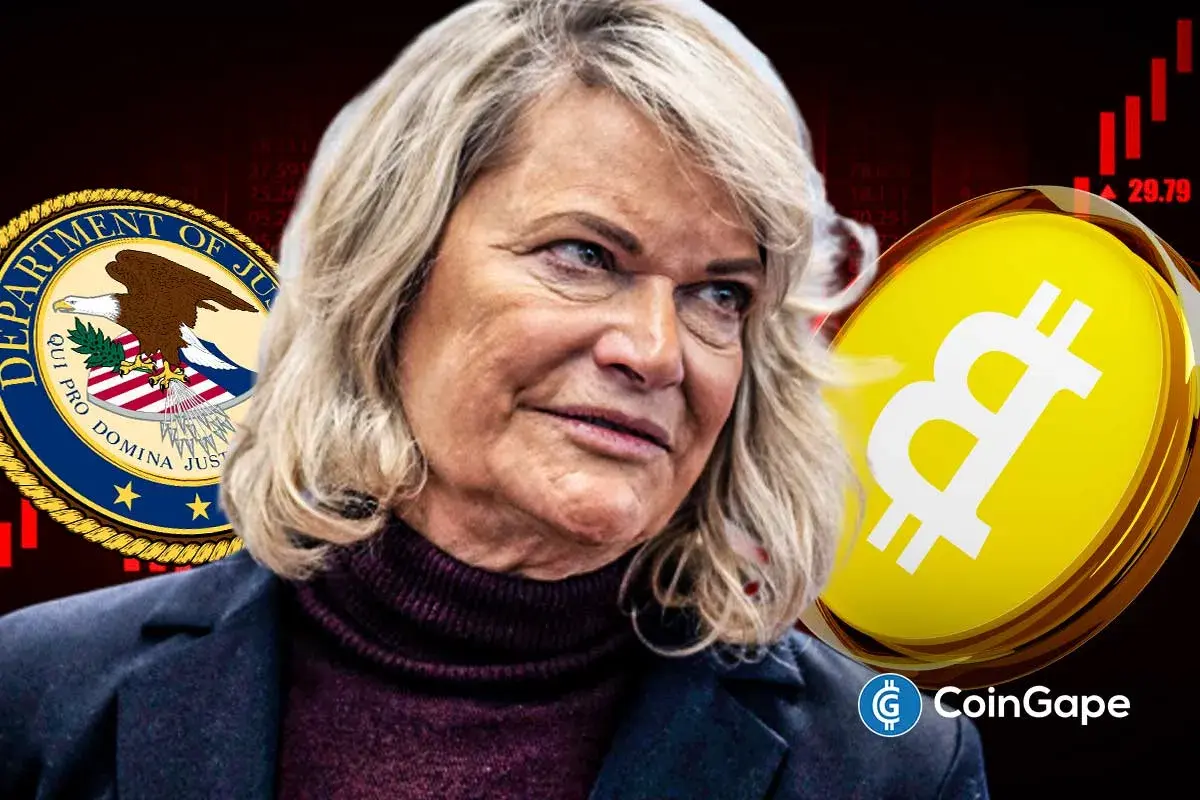
In recent developments surrounding Bitcoin regulation, U.S. Senator Cynthia Lummis, a staunch advocate for the cryptocurrency, has vocalized her concerns regarding the U.S. government’s sale of seized Bitcoin. The incident involves the liquidation of 57.55 BTC worth approximately $6.3 million by the U.S. Marshals Service (USMS) at the behest of the Department of Justice (DOJ). These assets originated from the Samourai Wallet founders as part of their plea deal, yet Senator Lummis argues that such actions contradict the intentions behind President Trump’s Executive Order 14233, which specifically directs the government to add seized Bitcoin to a Strategic Bitcoin Reserve (SBR).
Senator Lummis has articulated her alarm over the U.S. government squandering valuable strategic assets, especially as other nations ramp up their Bitcoin holdings. "We can’t afford to squander these strategic assets while other nations are accumulating Bitcoin. I’m deeply concerned about this report," she asserted. Her critique emphasizes the need for a unified national strategy on cryptocurrency, particularly as global competitors like China aggressively acquire Bitcoin through various channels, including asset forfeiture.
The sale of seized Bitcoin raises significant questions about adherence to Executive Order 14233, which mandates the preservation of Bitcoin obtained through forfeiture proceedings. Senator Lummis refers to the potential breach of this order, arguing that selling these seized assets undermines the larger goal of establishing a national Bitcoin reserve. This governmental action could directly impact global market dynamics, especially if it signals a lack of commitment to accumulating Bitcoin as a reserve asset.
Adding another layer of complexity to this situation, Patrick Witt, Executive Director of the President’s Council of Advisors for Digital Assets, has confirmed that an investigation is underway regarding these actions. “We are looking into this,” he tweeted, indicating a governmental acknowledgment of potential violations of the executive order. The implications of such an investigation could have lasting effects on future strategies for cryptocurrency regulation and asset management, illustrating the delicate balance required in governance surrounding digital currencies.
On-chain data offers further insights into the transaction flow of the seized Bitcoin. Records show that the founders, Keonne Rodriguez and William Lonergan Hill, transferred the 57.55 BTC to a USMS wallet on November 3, 2025. Notably, the Bitcoin moved again to a Coinbase Prime account, suggesting that the assets were likely sold shortly after their seizure. This transaction highlights the rapid pace at which seized Bitcoin can navigate through various wallets and exchanges, raising concerns about transparency and accountability in governmental process adherence.
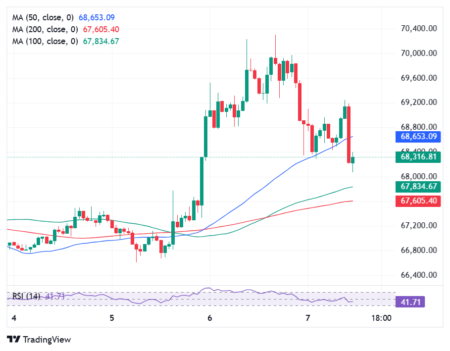
The market reaction to these events has been notable as well. Bitcoin prices dipped from $94,762 to $93,660 amid the news, though the cryptocurrency later saw a slight increase of around 2% over the next 24 hours. The volatility indicates that market trust can be significantly impacted by regulatory actions and news, particularly around seized assets and sales. Traders and investors are closely monitoring these developments, aware that government decisions can have widespread repercussions on the valuations of cryptocurrencies.
In conclusion, Senator Lummis’s concerns over the U.S. government’s recent Bitcoin liquidation underscore a critical juncture in cryptocurrency policy. As she urges for adherence to the long-term vision of a Strategic Bitcoin Reserve, the discussion reflects the growing recognition of Bitcoin as a strategic asset in global finance. With ongoing investigations and potential policy shifts on the horizon, stakeholders from all sides of the cryptocurrency landscape are poised to watch how these issues develop, understanding that the future of Bitcoin regulation in the United States could significantly shape its role on the world stage.