


BlackRock CIO Rick Rieder Advocates for Lower U.S. Interest Rates: A Look Ahead
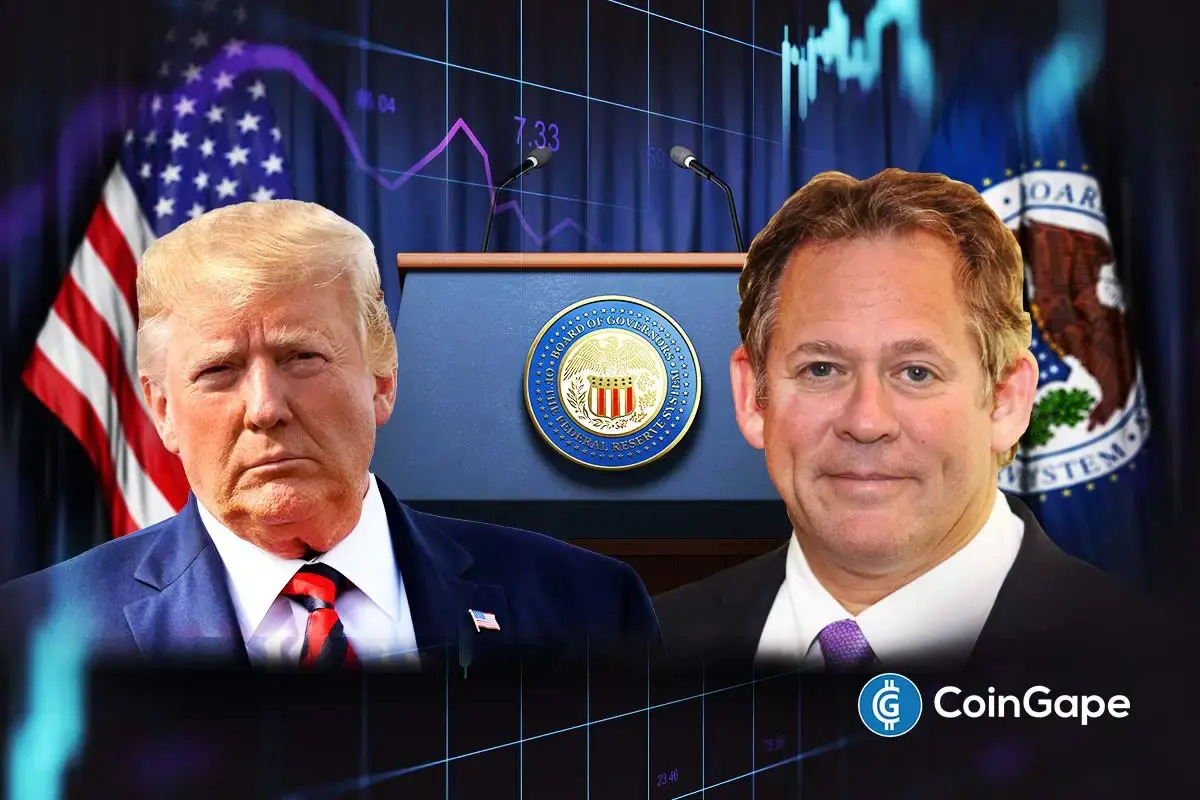
In a significant move within the financial sphere, Rick Rieder, Chief Investment Officer (CIO) at BlackRock, has publicly advocated for a drop in U.S. interest rates to 3%. As speculation mounts regarding the next chair of the Federal Reserve (Fed), Rieder’s insights come at an opportune moment, especially with an upcoming interview scheduled with former President Donald Trump. This article explores Rieder’s proposals, the implications of these rate adjustments, and how they intertwine with political dynamics surrounding Fed leadership.
Rieder’s Call for a 3% Rate Target
Rick Rieder’s assertion that interest rates should be reduced to 3% has gained traction, now reflected in prediction markets that show him with a 9% chance of becoming Trump’s nominee for Fed chair. While these odds are speculative, they underscore the growing interest in Rieder’s perspective on monetary policy. Currently, the Fed’s target rate is set between 3.5% and 3.75% following a quarter-point interest rate reduction in December. Rieder argues that achieving a 3% rate would not only stabilize borrowing conditions but also avoid overstimulating demand, allowing for a more balanced economic environment.
The Path to Equilibrium in Monetary Policy
Rieder describes the concept of equilibrium in monetary policy as crucial, indicating that it is the point where borrowing costs are neutral—neither stimulative nor restrictive. He emphasizes that this level fosters stable economic growth. Lowering rates to 3% would allow the Fed to strike a balance, thereby relieving credit stress and enhancing market liquidity. According to Rieder, the Fed has sufficient room to maneuver, proposing that the focus should be on steady adjustments rather than drastic cuts.
Data-Driven Decisions vs. Political Influence
In his recent interviews, Rieder has also addressed concerns regarding the potential political influence on the Fed’s decisions. He reassures stakeholders that monetary policy will be driven by economic data rather than political pressures. Rieder reiterates the integrity of the Federal Open Market Committee (FOMC) and affirms that whoever holds the chair position will prioritize economic signals over personal or political motives. This emphasis on data-driven decision-making is essential for maintaining confidence in the Fed’s approach.
Trump’s Influence on Interest Rate Discussions
Former President Trump has been vocal about his views on the Fed’s rate decisions, frequently advocating for more aggressive rate cuts. He perceives the current inflation rates as an opportunity for the Fed to act, urging that failure to do so could inhibit growth and keep borrowing costs elevated. Rieder’s alignment with Trump’s rhetoric may further position him as a potential nominee, though observers continue to weigh whether such a candidacy would prioritize independent monetary policy or align closely with political agendas.
The Implications of Lower Interest Rates
The proposal for lower interest rates is not merely an economic abstraction; it has real implications for American households and businesses. A 3% rate would notably decrease borrowing costs, making mortgages, loans, and credit more accessible. This, in turn, could stimulate consumer spending and business investments, positing a more dynamic economy. Rieder’s insights suggest that moving towards this target could catalyze growth by providing financial relief, particularly in a climate where economic stability is a primary concern.
Conclusion: Looking Ahead to Fed Leadership Decisions
As the financial community keenly awaits the next steps regarding Fed leadership, Rick Rieder’s advocacy for lower interest rates presents a crucial conversation in the realm of monetary policy. His emphasis on reaching equilibrium reflects broader economic goals, while his forthcoming dialogue with Trump could influence perceptions about the direction of the Fed. Whether Rieder will emerge as a legitimate candidate for chair remains to be seen, but his insights will undoubtedly shape discussions on the future of U.S. monetary policy.
In summary, as the economic landscape evolves, the focus on interest rates and Fed leadership will remain pivotal for ensuring financial stability and growth in America.