


Russia’s New Crypto Law: Implications for Digital Assets and the Future of Crypto Trading
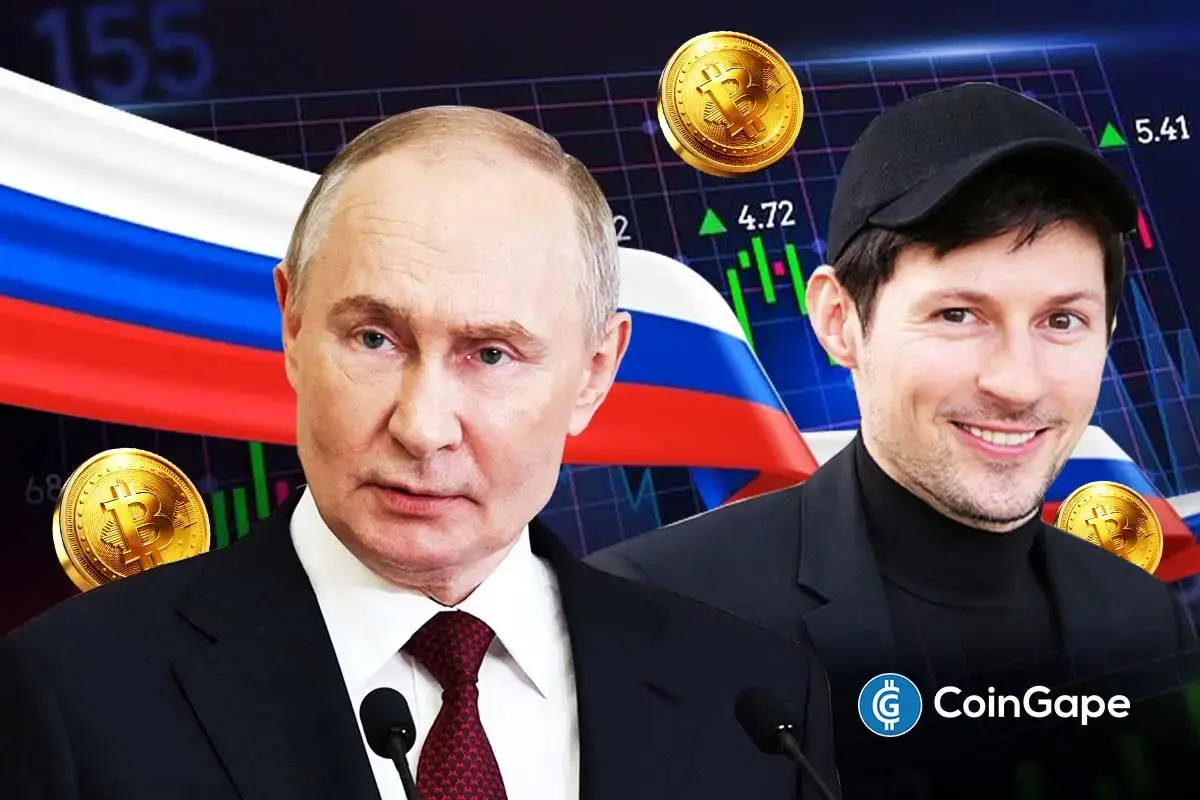
Recently, President Vladimir Putin signed a new law that significantly alters the landscape of cryptocurrency regulation in Russia. This legislation recognizes crypto assets, including Bitcoin, as intangible property within the framework of Russia’s Criminal Code and Criminal Procedure Code. The law authorizes Russian courts to seize or confiscate these digital assets in criminal cases, marking a pivotal step in the Kremlin’s efforts to regulate cryptocurrency trading and enforce stricter measures against foreign exchanges. As Russia aligns its policies toward digital currencies, both traders and investors must understand the implications of this new legislation.
Overview of the New Crypto Law
The newly signed law empowers Russian courts to act against cryptocurrency assets that are deemed associated with criminal activities. This includes a requirement for law enforcement to submit detailed requests for confiscation, specifying the type and quantity of assets involved, along with relevant wallet addresses. The law also permits the transfer of confiscated funds to a designated government account, although specific procedures for such transfers and storage are yet to be established. Deputy Justice Minister Elena Ardabyeva noted that the law essentially formalizes existing practices of asset seizures and introduces legal grounds for cooperation with foreign exchanges, paving a clearer path for regulations surrounding crypto trading in Russia.
Russian Government’s Intentions with Crypto Regulation
Amid this legislative shift, the Russian government is actively working on broader crypto regulations that are expected to be finalized by mid-year. Officials want to funnel trading activities through domestic platforms or exchanges that maintain a physical presence in the country. Experts anticipate that the Kremlin may initiate measures to block access to foreign crypto exchanges entirely, as there are claims that Russian citizens currently invest around $650 million daily in crypto transactions. The push for local trading platforms underscores the government’s intent to control cryptocurrency flows, potentially to mitigate capital flight and enhance oversight.
The Context of International Sanctions
Russia’s revamped approach to cryptocurrency regulation takes shape against a backdrop of international sanctions imposed following geopolitical tensions. Both the U.S. and EU are tightening restrictions to prevent Russian entities from engaging in crypto transactions, as highlighted by reports of linked transactions evading sanctions through specific platforms. Crypto exchanges such as Bitpapa and Garantex have come under scrutiny for their connections to Russia amid these developments, urging the Kremlin to take action to monitor and control cryptocurrency interactions more effectively.
Concerns About Freedoms and Privacy
Adding another layer to the complex scenario is the case of Telegram founder Pavel Durov, who has been facing criminal investigations in Russia for allegedly "aiding terrorism." Durov’s claims that the Russian government is manipulating legal justifications to undermine access to Telegram raise significant concerns regarding privacy and freedom of speech. The restrictive measures being enacted as part of the government’s broader strategy may not only impact cryptocurrency trading but also contribute to the erosion of civil liberties within the nation.
Global Implications and Comparisons
As Russia navigates its crypto regulation landscape, some analysts argue that the country’s stringent laws could place it ahead of the United States regarding the regulatory framework for digital assets. With discussions on stablecoin regulations encountering setbacks in the U.S. due to political factors, Russia’s decisive actions may put them in a competitive position in the global cryptocurrency arena. The possible adoption of elements from models like Belarus, which imposes restrictions on unlicensed foreign platforms while not entirely restricting access, suggests that Russia is considering a balanced approach to regulation.
Conclusion: The Road Ahead for Cryptocurrency in Russia
The recent legislative changes by President Putin represent a crucial turning point for cryptocurrencies in Russia, introducing a structured framework for the seizure of digital assets while promoting local trading platforms. As the country rolls out these regulations, stakeholders must remain vigilant and adaptable to the evolving landscape. On the international front, the Russian government’s measures against foreign exchanges and ongoing investigations highlight a growing intention to assert control over cryptocurrency trading and its implications—raising questions about the future of digital assets and the fundamental rights of individuals in the country. The global nature of cryptocurrency necessitates close attention to how these developments may influence future interactions and regulatory strategies worldwide.