




Crypto Market Crash: Analyzing the Recent Decline of Bitcoin and Major Altcoins
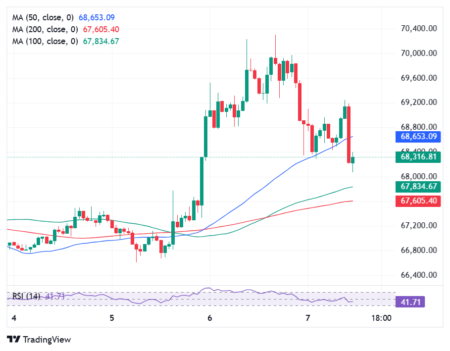
On Monday, the cryptocurrency market experienced a dramatic downturn, with Bitcoin plunging approximately 5%, reaching a low of $64,350. This swift decline not only eroded Bitcoin’s recent gains but also dampened the prevailing bullish sentiment surrounding the crypto landscape. The fallout from this crash significantly impacted other major cryptocurrencies, including Ethereum (ETH), XRP, BNB, Solana (SOL), Dogecoin (DOGE), and Cardano (ADA), each experiencing declines ranging from 6% to 10% within just a few hours.
Understanding the Causes Behind the Crash
Several factors have contributed to this sudden market downturn. One prominent reason is the ongoing regulatory scrutiny that cryptocurrencies are facing globally. Recently, several governments and regulatory bodies have hinted at stricter regulations, which has instigated fear among investors. The uncertainty surrounding regulations often leads to panic selling, causing sharp declines in prices. Additionally, macroeconomic factors, such as inflation concerns and economic instability in various regions, also play a significant role in influencing investor sentiment across the board.
The Impact of Market Sentiment
Market sentiment can largely dictate the movement of cryptocurrencies. The recent drop in Bitcoin and other cryptocurrencies resulted in a notable decline in the Crypto Fear and Greed Index, which serves as a barometer for market sentiment. As fear spreads amongst investors, many opt to sell their holdings to mitigate losses, creating a self-fulfilling prophecy which exacerbates market declines. The shift from greed to fear is not uncommon in the volatile world of cryptocurrencies, often leading to substantial price corrections and subsequent rebounds.
The Role of Technical Analysis
Technical analysis also sheds light on the abrupt price movements witnessed on Monday. Chart patterns and key support levels often guide traders’ decisions, and when Bitcoin fell below significant support levels, it triggered stop-loss orders, compounding the selling pressure. Traders closely monitor various resistance and support zones, which can lead to more aggressive trading strategies during periods of volatility. This cascading effect can amplify price swings, creating challenges for both short-term traders and long-term investors alike.
Strategic Responses from Investors
In the wake of this downturn, investors are evaluating their strategies and positions in the market. While some may perceive the drop as a buying opportunity, others may choose to adopt a more cautious approach, reassessing their risk tolerance. Diversification, dollar-cost averaging, and maintaining a long-term perspective are strategies that some investors might employ to navigate these turbulent times. Being well-informed about market conditions and emerging trends is essential for making sound investment decisions amidst volatility.
Looking Ahead: Future Market Trends
As the dust settles from this recent crash, investors and analysts will be closely monitoring various indicators in the crypto market. While volatility is inherent in the crypto space, the potential for recovery remains. Ultimately, a combination of technological advancements, regulatory clarity, and macroeconomic stability will play pivotal roles in shaping the future landscape of cryptocurrencies. For now, maintaining a level-headed approach amidst uncertainty will be crucial for navigating this dynamic market environment.
In summary, the recent crypto market crash has reignited discussions on the driving forces behind price volatility in Bitcoin, Ethereum, and other altcoins. As investors adapt to these market dynamics, understanding the influences at play will be essential for future investment decisions and strategies.