


U.S. Troop Deployment in the Middle East Amid Escalating Tensions with Iran
As the U.S.-Iran conflict intensifies, the U.S. government plans to deploy thousands of additional troops to the Middle East. This decision, as reported by Reuters, underscores the growing concern over geopolitical stability in the region. The deployment aims to bolster military capacity in anticipation of future operations, although U.S. officials have clarified that there is currently no intention to send troops directly into Iran. Such maneuvers indicate a response to continuing threats and hostilities, particularly as the conflict moves into its fourth week.
The White House has reiterated that President Trump does not plan to escalate troop involvement in Iran. Instead, their strategy may focus on tactical strikes, as evidenced by recent U.S. military actions targeting Iranian military assets. Notably, U.S. strikes on Kharg Island were aimed at pressuring Iran to reopen the critical Strait of Hormuz. While these military actions aim to assert U.S. influence, they also highlight the sensitive balance between military readiness and geopolitical diplomacy.
Economic Ramifications for Bitcoin and the Broader Crypto Market
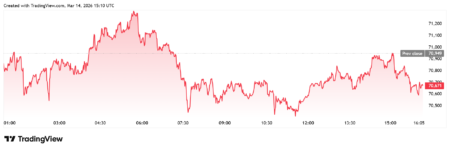
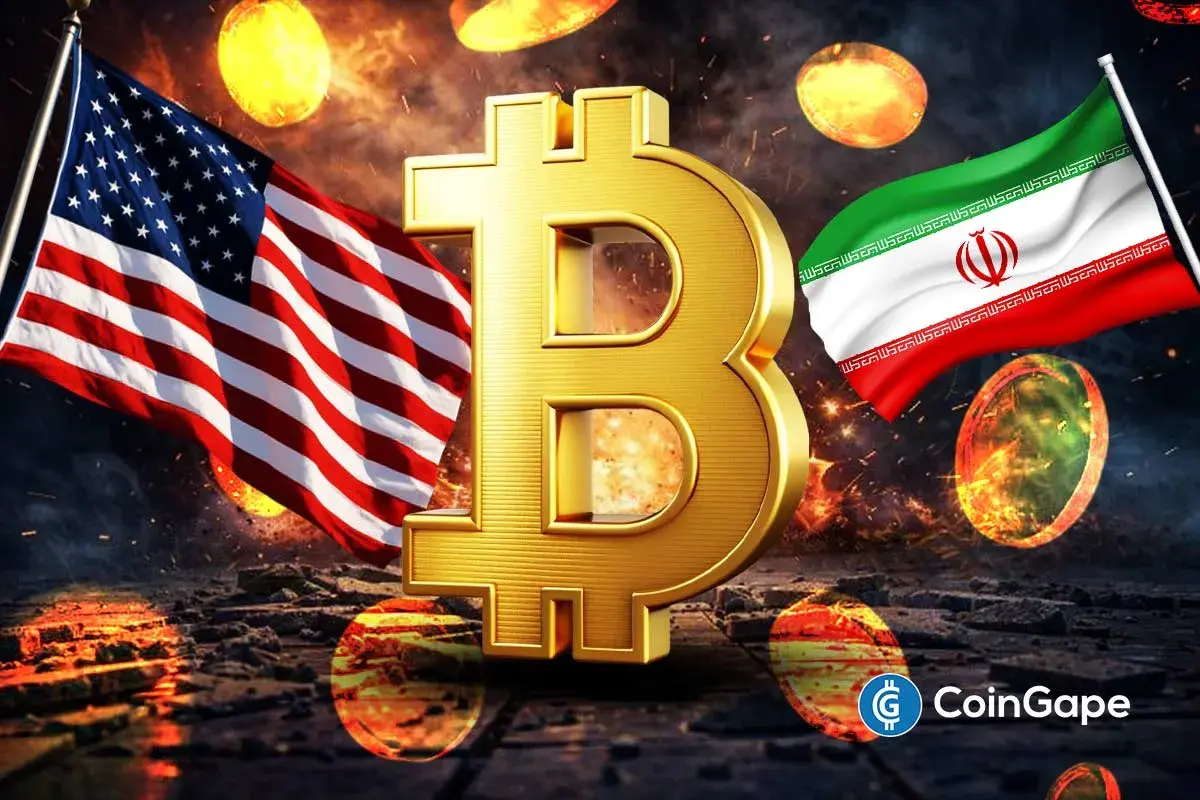
The situation has far-reaching implications beyond military presence. Bitcoin, one of the leading cryptocurrencies, recently dropped below the pivotal $70,000 mark as traders react to the ongoing conflict. Speculation surrounding the U.S.-Iran war has created volatility in the crypto markets, with fears of prolonged conflict fueling concerns about rising inflation and potential recession. Initially, there was optimism in the market following reports that U.S. sanctions on Iranian oil could relax. However, Bitcoin swiftly retreated from its brief rally, falling to about $69,700, signifying the precarious nature of crypto investments amid geopolitical turbulence.
As oil prices rise in response to the conflict, the potential for inflation poses a direct threat to economic stability. The intertwining of military operations and financial markets demonstrates how global tensions can impact domestic economies. Crypto traders are particularly sensitive to such fluctuations, as these developments influence trading volumes and investor confidence in the digital currency space. Thus, understanding the geopolitical landscape is crucial for anyone involved in cryptocurrency trading.
Iran’s Response and Global Market Impact
On the other side of the conflict, Iranian officials have issued stern warnings against any future attacks on their oil infrastructure. Iranian Foreign Minister Abbas Araghchi stated that the nation would show "zero restraint" if further actions were taken against its resources. This rhetoric not only escalates tensions but also introduces an element of unpredictability into the global oil market. With rising oil prices, the potential for further conflict remains a significant concern for investors and businesses alike, including those in the cryptocurrency sector.
The dynamics of the U.S.-Iran war further complicate matters, especially following Israel’s attack on Iran’s South Pars gas field, an action that Israel claims did not receive U.S. approval. Such developments highlight the intricate international relationships at play and the risks that come with them. Araghchi’s responses emphasize that Iran perceives itself as acting defensively, claiming that the U.S. initiated hostilities without just cause. This narrative positions Iran as a victim of aggression, complicating U.S. efforts to justify ongoing military actions.
Historic Parallels and Strategic Considerations
Araghchi has compared the current conflict to the Vietnam War, asserting that the U.S. claims of winning amidst rising casualties reflect a detached understanding of reality. He contends that Iran does not engage in preemptive strikes and has historically responded only after being attacked. Such statements add a layer of historical context to the current conflict, illustrating Iran’s framing of its military strategy and intent. The implications of this perception are vast, affecting not only diplomatic negotiations but also international public opinion.
For policymakers in the U.S., understanding Iran’s perspective is essential for developing a coherent and effective strategy. Should the U.S. misjudge Iran’s motivations, it risks escalating the conflict further. Therefore, this historic lens serves as an essential reminder for analysts and decision-makers seeking to navigate the complexities of Middle Eastern geopolitics.
Future Projections and Considerations for Investors
As the U.S.-Iran war appears to drag on, investors must remain alert to shifting dynamics. Cryptocurrencies, particularly Bitcoin, are likely to continue experiencing fluctuations based on geopolitical events. Traders must weigh potential conflict developments alongside market indicators, continuing to monitor oil prices and inflation forecasts closely.
Additionally, the economic environment shaped by these tensions could further complicate investment strategies in both traditional and digital markets. As prices rise and geopolitical uncertainties loom, it may become increasingly critical for investors to adopt a diversified approach, combining both fiat currencies and cryptocurrencies in their portfolios.
Conclusion
In summary, the prospect of additional U.S. troops in the Middle East amid heightened tensions with Iran marks a significant escalation in military strategy. The implications extend well beyond military boundaries, influencing economic conditions and cryptocurrencies like Bitcoin. Observers should pay close attention to the interplay between geopolitical actions and market responses. As the situation evolves, the need for a nuanced understanding of international relations and their impact on financial landscapes becomes ever more critical. Investors and traders must remain vigilant, prepared to adapt swiftly to the changing tides of conflict and its economic ramifications.