



Government Shutdown and Bitcoin: Analyzing Market Dynamics
The current outlook on the U.S. government shutdown has dramatically changed, stirring up significant financial implications. Recent forecasts from Kalshi indicate that the government shutdown is projected to last much longer than previously anticipated, with expectations now leaning towards an almost fifty-day stalemate. This unexpected increase reflects heightened market anxiety and diminishing confidence, painting a concerning picture for investors navigating these unpredictable waters.
Rising Shutdown Expectations and Market Sentiment
The U.S. government shutdown has surpassed thirty days and forecasts suggest there may be additional delays extending the deadline for negotiations. Reflecting this evolving sentiment, Kalshi’s predictions gained over forty points this week, leading traders to brace for extended economic pressures. This protracted shutdown is likely to create a ripple effect in financial markets, resulting in delayed information and a cautious risk appetite among key asset classes. As market participants factor in deeper political gridlock, they face a challenging landscape that could impede economic growth and investor confidence.
Bitcoin’s Correlation with the Nasdaq
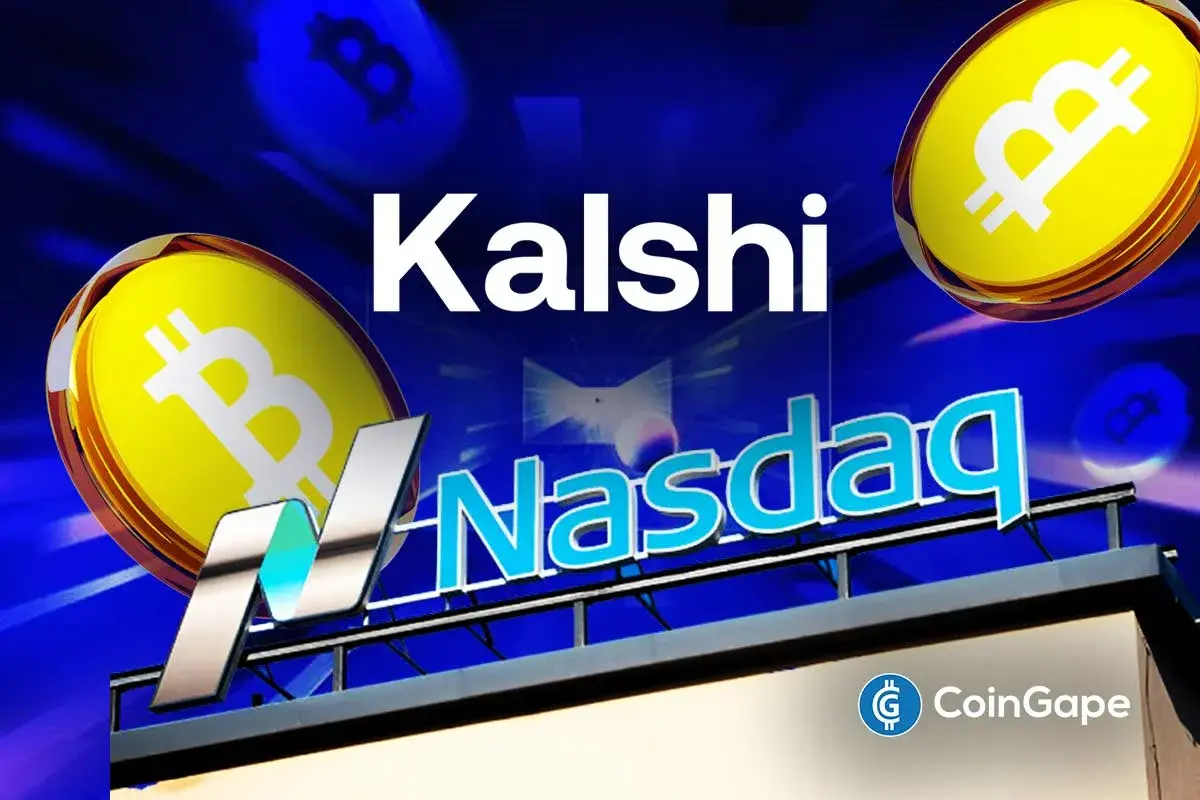
Simultaneously, Bitcoin is experiencing a heightened correlation with the Nasdaq Composite, particularly as the turbulence surrounding the government shutdown continues to grow. Recent analysis by market expert Daan Crypto Trades illustrates an almost synchronous movement between Bitcoin and tech stocks, highlighting a distinct trend in the wake of increased market volatility. As uncertainty looms, Bitcoin’s price shifts appear closely aligned with changes in the tech sector, indicating that cryptocurrency, often seen as a high-risk asset, is reacting similarly to traditional financial markets amidst political turmoil.
The Impact of Market Fear on Bitcoin
This synchronization between Bitcoin and the Nasdaq underscores Bitcoin’s behavior during periods of heightened fear, where it mirrors the price movements of high-beta tech assets. As traders adjust their portfolios to mitigate political risk, both equities and cryptocurrencies face concurrent sell-offs. This reaction alludes to a broader market psyche prevailing during economic downturns and indicates that Bitcoin’s role is evolving in the context of market dynamics, often acting as a barometer for investor sentiment in uncertain times.
Long-Term Holders and Market Resilience
Despite the observed volatility, long-term Bitcoin holders have maintained their positions, according to insights from Bloomberg ETF analyst Eric Balchunas. Recent data reveals that Bitcoin ETFs have continued to attract cash inflows even during significant market sell-offs, which speaks volumes about the resilience of institutional investors. Notably, although the crypto market saw nearly $1 billion in outflows during a recent 20% downturn, a staggering 99.5% of ETF assets remained invested, suggesting that the long-term holding sentiment prevails amidst short-term turbulence.
Institutional Demand Amidst Market Flux
The steadfastness of institutional investors, who largely comprise the ETF holding demographics, plays a pivotal role in shaping market resilience. Their reluctance to react impulsively to short-term fluctuations further alleviates downward pressures in the market, distinguishing them from retail investors who may be more prone to panicselling. This divergence highlights how institutional demand remains robust, fortifying Bitcoin’s standing even while broader markets experience instability. The narrative that influencers within the market are contributing to volatility primarily through exchanges, rather than through ETF investors, reveals a concentrated source of selling pressure which does not reflect underlying demand.
Conclusion: Navigating Uncertainty in Financial Markets
The convergence of the U.S. government shutdown and Bitcoin’s market behavior presents a compelling case for careful navigation within these uncertain financial waters. As expectations for an extended shutdown grow, market participants must remain vigilant, monitoring shifts that could influence economic momentum and risk appetite. The tight correlation between Bitcoin and the Nasdaq reinforces the need for a nuanced understanding of how traditional and crypto markets interact amidst evolving political environments. Ultimately, the resilience of long-term investors may provide a stabilizing force, demonstrating that not all responses to market distress invoke fear, but rather a strategic alignment towards enduring value and investment commitment.
In summary, while the current landscape is anything but clear, the collective behavior of asset classes like Bitcoin in relation to political developments showcases a unique interplay that warrants attention from investors watching these critical economic indicators. Understanding these dynamics can equip traders and investors with the insights needed to navigate the complexities of this evolving market scenario.