


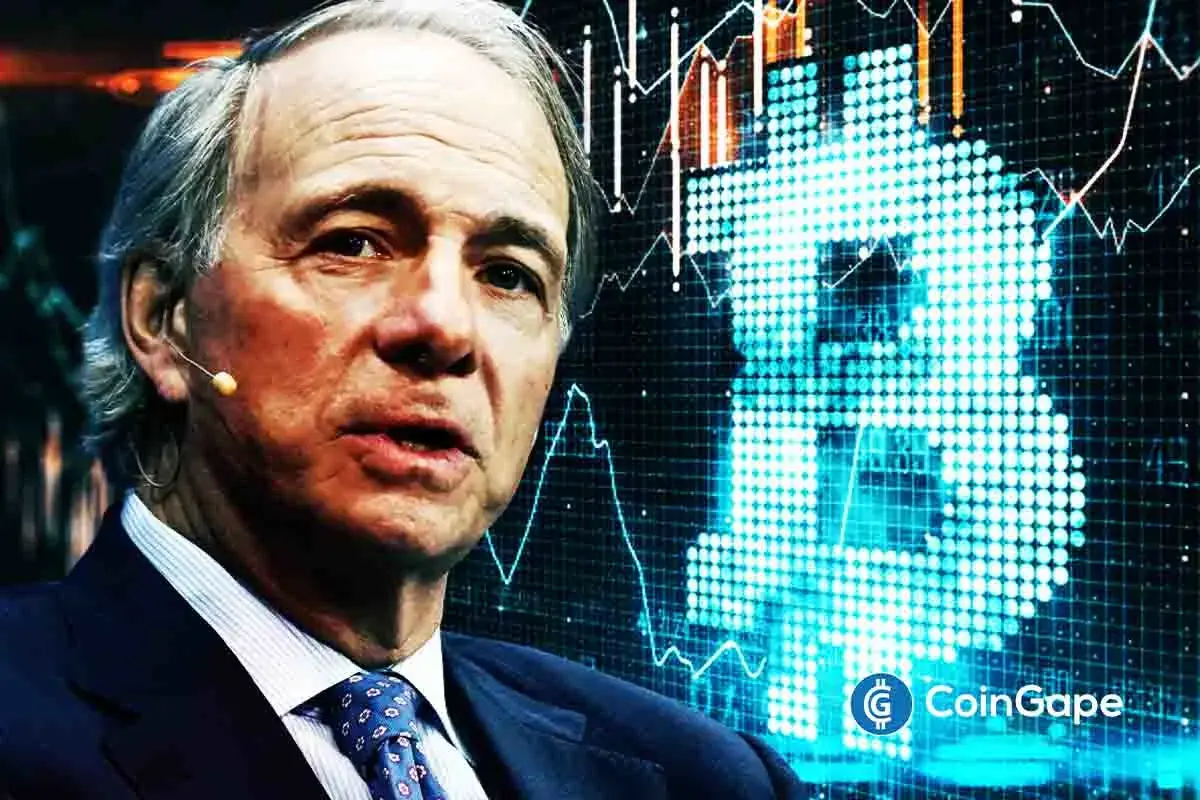
Ray Dalio’s Optimism on Bitcoin: A New Era for Alternative Currency
Billionaire hedge fund manager Ray Dalio has become a vocal advocate for Bitcoin, positioning it as "alternative money" amidst its rising global adoption. As Bitcoin (BTC) rallies past the $120,000 mark, profit-taking has surged, with over $3.7 billion realized in just one day. This fresh interest in Bitcoin signifies its increasing recognition as a genuine store of value, prompting further discussion about its role in the financial ecosystem.
Bitcoin as an Alternative Store of Value
In a recent interview, Ray Dalio acknowledged Bitcoin’s growing stature as an "alternative money." He emphasized key features that align it with hard currency, particularly its limited supply of 21 million coins. Dalio, who personally holds only a small quantity of BTC, asserts that as more investors recognize its value, the cryptocurrency becomes hard to ignore. Although bullish about Bitcoin’s potential, he raised concerns about the feasibility of its adoption by central banks as a reserve currency, primarily due to requirements for transaction transparency and the looming threat of regulatory oversight.
Dalio’s endorsement of Bitcoin aligns with similar sentiments expressed by seasoned investor Robert Kiyosaki, who has been advocating for precious metals and Bitcoin to hedge against potential financial crises. Both investors highlight Bitcoin’s finite supply as a significant advantage over traditional fiat currencies that are prone to inflation. As global bond markets face increasing pressure, a shift toward alternative assets like Bitcoin seems inevitable, attracting investors seeking stability and protection from economic disruptions.
Profit-Taking and Market Reactions
The surge in Bitcoin’s price has been met with a notable increase in profit-taking, peaking at over $3.7 billion in one day—a significant indicator of market dynamics. Recent data from CryptoQuant points to this event being the fifth-largest instance of profit realization in 2025. Analyst Caueconomy notes that while selling activities can indicate increased market pressure, they don’t necessarily suggest that short-term investors are driving the market. In reality, this trend may signify that long-term investors are seizing the opportunity to cash in their profits, which could keep Bitcoin’s prices on an upward trajectory.
As Bitcoin stands at its highest level since mid-August, analysts expect the momentum to continue. The previous five-day period has seen consistent price gains, prompting traders to anticipate a bullish "Uptober." This expectation is further substantiated by data showing that open interest in Bitcoin futures has reached a record $88 billion, indicating that traders are gearing up for future profitability, as spot exchange-traded funds (ETFs) experience significant inflows.
Major Financial Institutions Embrace Bitcoin
Institutional interest in Bitcoin continues to grow, further solidifying its standing as a legitimate asset class. Banking giants like Citigroup have projected that Bitcoin could reach as high as $231,000 within the next year, with varying scenarios estimating lower figures at $181,000 and $82,000, respectively. These projections illustrate the promising outlook that many financial institutions have toward Bitcoin, affirming its emergence as a significant financial asset.
JPMorgan has also made headlines by declaring Bitcoin undervalued in comparison to gold. Their analysis suggests a potential price rise to $165,000, with decreasing volatility signifying a maturing market. These affirmations from financial titans reflect the palpable confidence in Bitcoin’s value proposition, especially as it continues to rally and gain traction among a wider array of investors.
The Broader Implications of Bitcoin Adoption
Ray Dalio’s and Robert Kiyosaki’s advocacy for Bitcoin is part of a larger trend where investors are increasingly turning to alternative assets. The current economic landscape, marked by inflation and uncertainty in traditional markets, is compelling both retail and institutional investors to explore digital assets as a hedge against failures in conventional financial strategies. Bitcoin’s decentralized nature and established scarcity may well offer an appealing refuge for those looking to safeguard their wealth against inflationary pressures.
The increasing mainstream acknowledgment of cryptocurrencies like Bitcoin also poses interesting questions about the future of money itself. If Bitcoin continues on its current upward trajectory, could it reshape consumer habits and redefine what constitutes money? As its utility and acceptance grow, investors and financial institutions alike may have to rethink strategies around currency, valuation, and asset management.
Conclusion: The Future of Bitcoin
In summary, Ray Dalio’s embrace of Bitcoin as "alternative money" reflects a broader recognition of the cryptocurrency’s potential to serve as a reliable store of value. As profit-taking surges and major financial institutions throw their support behind Bitcoin, the landscape becomes ripe for further growth. The combination of limited supply, institutional buy-in, and increasing global adoption positions Bitcoin as a formidable asset in today’s economic climate.
As we look to the future, it is clear that Bitcoin’s journey is just beginning. While challenges such as regulatory scrutiny and the need for transparency persist, the momentum and backing from respected financial leaders like Dalio suggest an optimistic path ahead. Investors who are keen on hedging against economic uncertainty may find Bitcoin to be a worthwhile addition to their portfolios, signaling a significant evolution in how we perceive and engage with money.