



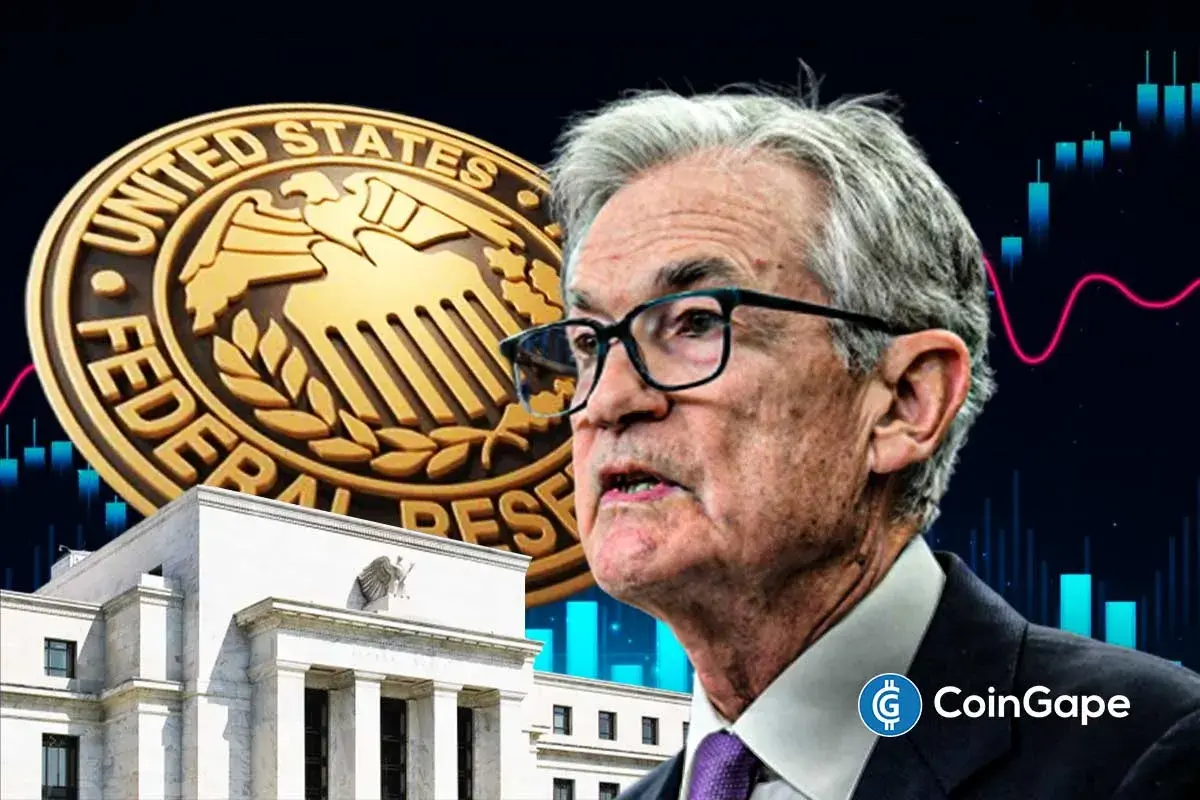
Fed Chair Jerome Powell’s Discussion at Harvard: What to Expect and Market Implications
Today, Federal Reserve Chair Jerome Powell is set to participate in a high-profile discussion at Harvard University, drawing significant attention from investors and financial analysts alike. With inflation remaining a pressing concern and economic data showing mixed signals, all eyes are on Powell’s insights regarding potential interest rate cuts. Additionally, geopolitical tensions, particularly the ongoing conflict involving the U.S. and Iran, are complicating the economic landscape.
Key Details on Powell’s Speech
The discussion with Harvard’s introductory Principles of Economics Class is scheduled to begin at 10:30 a.m. ET. Powell will be engaging in a moderated dialogue without prepared remarks, which suggests that he may respond spontaneously to questions about Fed rate cuts and inflation amid rising oil prices. These aspects are critical given the backdrop of high oil prices affecting consumer prices and overall economic stability. For those interested in watching, the Federal Reserve plans to provide live coverage via its official channels, including its website and YouTube.
Fed Rate Decisions and Stock Market Effects
During the previous Federal Open Market Committee (FOMC) meeting, the Federal Reserve opted to maintain interest rates steady at 3.5%-3.75% for the second consecutive meeting. This decision has led to a notable correction in stock markets and cryptocurrencies like Bitcoin, as expectations for Fed rate cuts have shifted to later in the year. Wall Street banking giants such as JPMorgan, Goldman Sachs, and Morgan Stanley have updated their forecasts, suggesting a potential rate hike due to the pressures stemming from elevated oil prices.
At the most recent FOMC meeting, the Fed’s dot plot indicated that a rate cut might not occur until 2026 or even 2027. The recent surge in Brent crude oil prices to $115 per barrel adds another layer of complexity to the Fed’s monetary policy, with Powell acknowledging that these prices could dampen economic growth.
Oil Prices and Inflation Dynamics
The rising oil prices present a dual challenge: they contribute to inflation and create economic uncertainty. Powell has expressed that near-term inflation is expected to rise, yet he seems to allay concerns regarding the possibility of stagflation—a situation where high inflation coincides with stagnant economic growth. This balancing act is critical for the Fed, as it determines how aggressively they will adjust interest rates to manage inflation without suppressing economic growth.
Given the current environment, analysts remain alert to any signals Powell may provide regarding future monetary policies. The CME FedWatch Tool suggests that a rate cut isn’t anticipated until October 2027, complicating the outlook for both stocks and cryptocurrencies.
Cryptocurrency and Stock Market Reactions
Despite the geopolitical tensions and economic uncertainties, U.S. stock futures have seen an uptick of nearly 0.50%, with crypto stocks like MicroStrategy (MSTR) and Coinbase (COIN) also following suit. Investors are tentatively optimistic, looking for signs that the Federal Reserve will navigate these complexities without drastic monetary tightening.
Interestingly, Bitcoin has experienced a more than 1% increase over the past 24 hours. Currently trading around $67,500, Bitcoin has seen a significant rise in trading volume, which has surged by nearly 64% in the same period. This renewed interest among traders could signal confidence in a future upward trend, although analysts warn of potential price corrections, with predictions that Bitcoin could form a bottom between $46,000 to $54,000.
A Deeper Look into Market Trends
Analysts have noted a bearish triangle pattern forming on Bitcoin’s daily chart, which could signal a downward movement potentially triggering a drop below the $50,000 mark. Investors are closely monitoring these patterns as they form strategies based on Powell’s insights and broader economic indicators. The intersection of inflation, oil prices, and broader economic sentiment will be crucial in shaping market direction.
The mixed signals from both stock and cryptocurrency markets indicate an ongoing state of flux, where investors must navigate potential risks and rewards as economic conditions continue to evolve.
Conclusion: What Adds Up for Investors
Today’s discussion at Harvard presents a crucial platform for Jerome Powell to clarify the Federal Reserve’s position on interest rates amid existing inflationary pressures and geopolitical uncertainties. Observers will be looking for hints that could shape future monetary policy, especially in light of rising oil prices and its implications for the U.S. economy.
In this era of volatility, both stocks and cryptocurrencies will remain under pressure, influenced significantly by the Fed’s actions. With high stakes in the balance, Powell’s words and the resulting market responses will be key elements for investors to consider in their forecasting and investment strategies. As the global economic landscape continues to evolve, how the discussions unfold today could have lasting ramifications on market trends and monetary policy for years to come.