




The Longest U.S. Government Shutdown: Impacts on Healthcare, Crypto, and the Economy
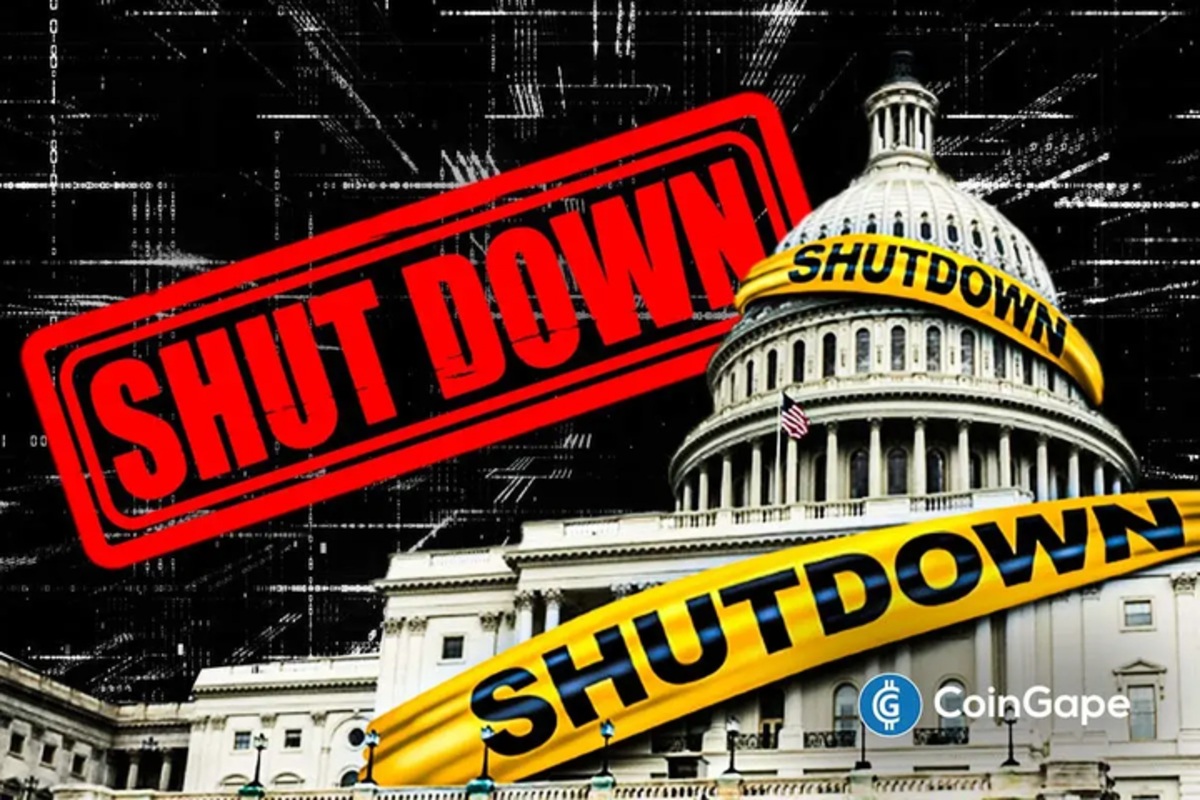
As the U.S. government shutdown stretches into record territory, surpassing a month, the implications are widespread and significant. Triggered by a budget standoff between Republicans and Democrats, the shutdown has brought federal operations to a halt and severely disrupted essential sectors such as healthcare and the cryptocurrency market. With ongoing negotiations revolving around a funding bill to reopen the government, both parties remain at odds. Democrats are advocating for the reinstatement of tax credits for health insurance, while Republicans insist that government operations must resume first. This impasse is leaving millions uncertain about crucial federal services.
Polymarket traders estimate that the stalemate might extend well into mid-November, with a 63% likelihood that it will last beyond November 16. As the shutdown drags on, economic and market anxieties are mounting. Analysts warn that the uncertainty created by this stalemate could exacerbate existing financial strains. Current estimates suggest the economy is losing between $10 billion and $30 billion weekly due to reduced federal spending and delayed services. With this grim backdrop, stakeholders across various sectors are increasingly concerned about the shutdown’s long-term repercussions.
The financial markets have already begun to reflect the shutdown’s adverse effects. Investors are opting for safer investments, pulling money from riskier assets as they seek to minimize potential losses. In this risk-averse environment, the crypto market is particularly vulnerable. The prolonged shutdown has resulted in significant losses for crypto treasuries, as regulatory agencies like the SEC and CFTC are operating with reduced staff and limited capabilities. This operational bottleneck has hindered critical decisions regarding exchange-traded funds (ETFs) and other regulatory matters that serve as pivotal for crypto investors, exacerbating an already volatile situation.
In addition to financial ramifications, the U.S. government shutdown has wreaked havoc on federal employees and services. Approximately 1.4 million federal workers are affected, with nearly half unable to receive paychecks. The ongoing crisis not only compromises the livelihood of these workers but also leads to significant backlogs in federal services. With essential services halted or delayed, airports are understaffed, and federal agencies struggle to manage urgent cases. This backlogged scenario has made it increasingly challenging for the government to function optimally during this tumultuous period.
The shutdown is also casting a shadow over global markets, compounded by geopolitical tensions and prior tariff threats from political leaders like President Trump. These additional pressures contribute to an already volatile financial landscape, making recovery and stabilization increasingly complex. Notably, amidst this political chaos, the conversation surrounding digital assets and crypto policy continues, providing a curious contrast. Analysts remark that while regulatory processes are paused, the ongoing dialogue about digital assets is one of the few sectors witnessing active progress, even in the face of adversity.
Looking ahead, economists caution that the impact of the government shutdown could have long-lasting effects on the U.S. economy. Consumer spending, already weakened by high inflation and job insecurity, could further decline, especially during the critical holiday season. The unique dynamics of this downturn may lead to a more entrenched economic malaise, making recovery increasingly difficult as federal services remain stalled. In summary, as the U.S. navigates this unprecedented government shutdown, the interconnectedness of various sectors underscores the gravity of the situation and the urgent need for resolution.