



The White House’s Continued Efforts in Crypto Regulation: A New Meeting on the Horizon
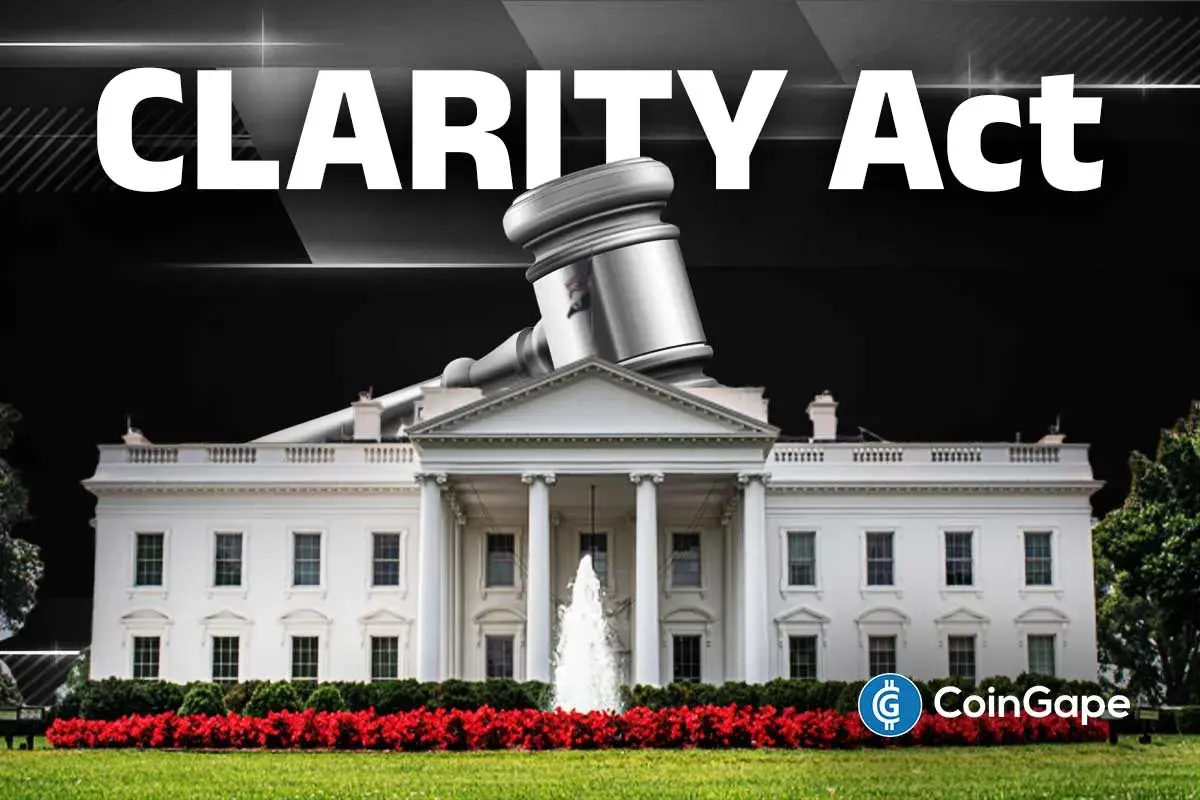
The White House is poised to convene a third meeting between crypto and banking industry leaders this week as efforts intensify to address the contentious issue surrounding the ban on stablecoin yields in the proposed crypto bill, known as the CLARITY Act. The ongoing standoff has led crypto traders to express skepticism about the likelihood of this legislative framework passing within the current year. This article delves into the current developments in the crypto regulatory landscape, examining the implications for the market and the players involved.
Ongoing Negotiations with Industry Leaders
Patrick Witt, executive director of the White House Crypto Council, revealed that another round of discussions could occur as early as this week, following last week’s meeting that failed to reach a resolution on the stablecoin yield provision. The persistent disagreement highlights the complex dynamics between banking institutions and the crypto industry, with banks advocating for a broad ban on stablecoin yields to customers. Crypto group Digital Chamber has responded by asserting the need for exemptions within the current draft of the CLARITY Act, warning that without them, the dominance of the dollar in the crypto landscape could be jeopardized.
Banks’ Stance on Stablecoin Yield
The latest meetings have underscored the banks’ steadfast position, expressed in their "Yield and Interest Prohibition Principles" document. This framework insists on a total prohibition on the provision of stablecoin yields by crypto service providers. The Digital Chamber’s counter-proposals have been labeled as "constructive" by sources close to the Senate Banking Committee. However, these suggestions may be too expansive to garner the banks’ approval. The pressure for an effective agreement mounts, as the White House is targeting a March deadline for industry leaders to come together on this vital issue.
The Impact on Crypto Innovation
Many stakeholders in the crypto ecosystem, including prominent figures like Brian Armstrong, CEO of Coinbase, have voiced concerns that the restrictive measures outlined in the stablecoin yield ban could severely hinder innovation within the United States’ crypto sector. This sentiment underscores the importance of finding a compromise that balances regulatory measures with the need for growth and advancement in cryptocurrency technologies.
Changing Odds for Legislative Success
As discussions continue to stall, crypto traders are adjusting their expectations for the passage of the CLARITY Act. Current data from Polymarket indicates a mere 55% chance that the bill will advance this year, a notable decline from 72% earlier this January. These changing odds reflect heightened uncertainty in the crypto regulatory environment, with traders increasingly betting against timely legislative progress as negotiations drag on.
Senatorial Support for the CLARITY Act
Despite setbacks, key political figures remain optimistic about the passage of the crypto bill. Senator Cynthia Lummis has reaffirmed her commitment to advancing the legislation, revealing that Senate Majority Leader John Thune has expressed intentions to prioritize the bill on the floor schedule for debate. This political backing could prove pivotal in facilitating dialogue on the contentious stablecoin yield provision and possibly ushering in a resolution.
Urgency from the U.S. Treasury
U.S. Treasury Secretary Scott Bessent has echoed the call for urgency, urging Congress to expedite the passage of the CLARITY Act. He emphasized the need for the U.S. to maintain its competitive edge in the crypto arena, particularly against China. Secretary Bessent cautioned that failure to enact the legislation by spring could eliminate a significant political opportunity, especially with the looming risk of Democrats regaining control of Congress post-midterm elections. He posited that clarifying regulatory frameworks would provide essential confidence to cryptocurrency stakeholders and promote market stability.
In conclusion, as discussions continue and the deadline approaches, industry leaders, regulators, and traders are all closely monitoring the evolving situation surrounding the CLARITY Act. Compromise will be key in determining whether the U.S. can forge ahead as a leader in the burgeoning cryptocurrency sector or if it will fall behind other nations in embracing this innovative technology.