



Morgan Stanley and the Rise of Solana: An Institutional Shift in Crypto Investing
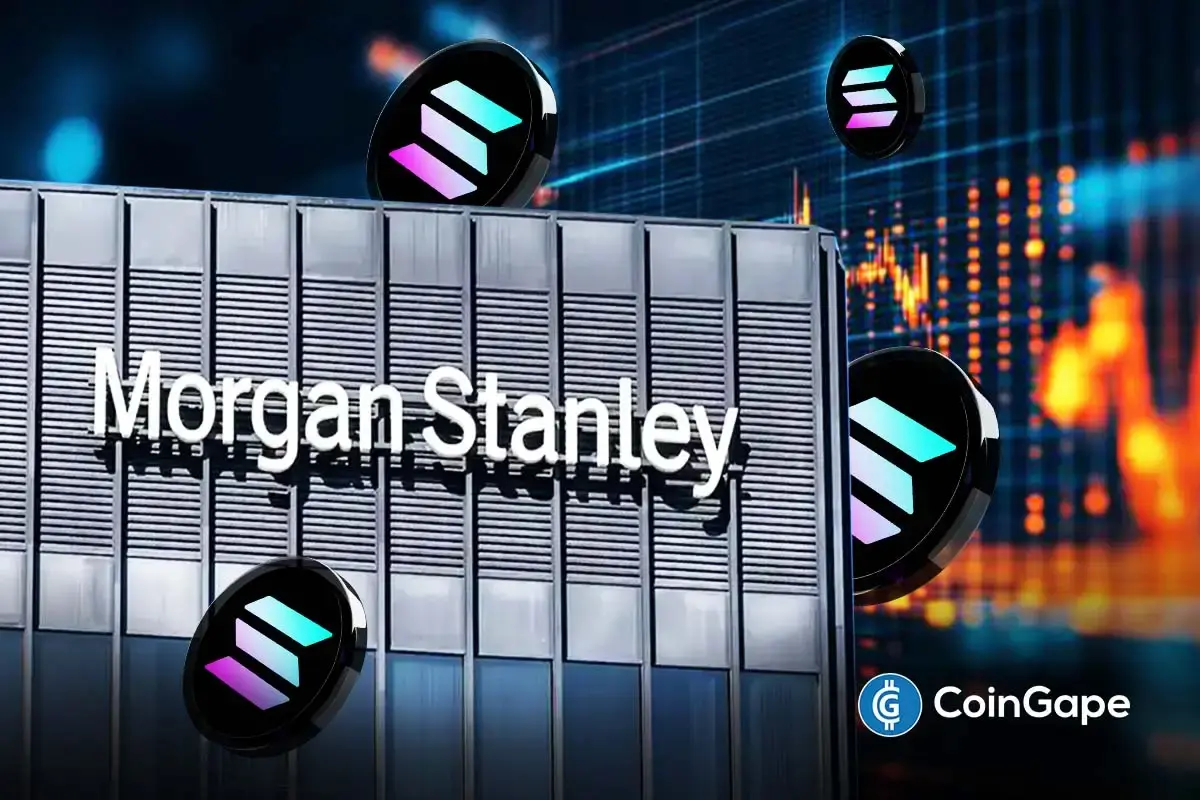
In recent months, traditional financial institutions (TradFi) have shown a profound interest in the cryptocurrency space, with financial titan Morgan Stanley leading the charge towards Solana (SOL). This surge in interest illustrates a broader acceptance of blockchain technology and the transformative potential of decentralized finance (DeFi). With Solana’s real-world asset (RWA) tokenized value reaching an all-time high (ATH) of $1.66 billion, the momentum is only expected to grow.
Morgan Stanley’s Strategic Investment in Solana
Morgan Stanley’s investments in the Solana ecosystem highlight a significant shift in institutional confidence. A recent Form 13F filing with the U.S. Securities and Exchange Commission (SEC) revealed that Morgan Stanley holds approximately 932,922 shares, valued at $15.30 million, in the Bitwise Solana Staking ETF (BSOL). In addition to this, the firm owns 86,105 shares in Solana Co., which trades on NASDAQ under the symbol HSDT. This strategic move aligns with Morgan Stanley’s upcoming plans to expand its crypto offerings, including Bitcoin (BTC), Ethereum (ETH), and SOL on its E*Trade platform planned for 2026.
Creating a New Standard for Crypto ETFs
Morgan Stanley’s growing presence in the Solana ecosystem is indicative of a broader trend among large financial institutions emphasizing regulated crypto products. By filing for a Solana ETF, Morgan Stanley is not just investing in the asset but also working towards legitimizing the market through compliance and regulatory measures. This is a critical step for attracting more institutional investors who are often hesitant to dive into unregulated territories. The prospect of staking offerings further amplifies this narrative, as it allows investors to generate yield while holding their cryptocurrencies—a critical feature that increasingly appeals to traditional investors.
The Role of Other TradFi Institutions
Morgan Stanley is not alone in its pursuit of Solana. Goldman Sachs recently disclosed significant holdings in SOL, amounting to nearly $108 million through various ETFs. This rising trend of TradFi institutions integrating Solana into their portfolios demonstrates a collective shift toward embracing blockchain technology and tokenization of assets. Institutional investors are starting to recognize that Solana offers greater scalability and lower transaction costs, making it an attractive option for tokenizing traditional financial products like stocks and treasuries.
Solana: The Future of Tokenization and DeFi
Solana’s RWA tokenization sector continues to thrive, demonstrating its role as a key player in both decentralized finance and traditional finance. Recently, the network achieved a new ATH of $1.66 billion in tokenized value, according to data from RWAxyz. The growth comes in the wake of substantial investments by major firms like BlackRock, which recorded a staggering increase from $175 million to over $552 million in a single week, following its integration with Uniswap. This vibrant ecosystem underlines the capabilities of Solana to act as a bridge between the traditional finance world and the potential of DeFi.
Market Volatility and Valuation Challenges
Despite its strong growth in RWA tokenization, the price of Solana has faced some volatility. Recently, the SOL price fell to below $90, trading at $85.35—a drop of over 4% in a single day. This fluctuation highlights the inherent volatility often seen within the cryptocurrency markets. Investors must remain cautious and informed about market dynamics, particularly with assets that are still in the early stages of adoption among traditional finance institutions.
Conclusion: A Bright Future for Solana and Institutional Investing
As traditional finance institutions like Morgan Stanley and Goldman Sachs continue to deepen their engagement with Solana, the blockchain is positioned for significant growth in both tokenization and digital asset management. Institutional acceptance is paving the way for Solana to establish itself as a leading platform for decentralized finance, with its scalability and low transaction costs making it a preferred choice among investors. As the market stabilizes and the infrastructure supporting these assets develops, Solana and other emerging cryptocurrencies could redefine the financial landscape as we know it, attracting a new wave of institutional interest. Investments by major firms signal a bright future for both Solana and the broader cryptocurrency ecosystem, as they strive to integrate with conventional financial practices and offer innovative investment opportunities.