



Visa Launches Stablecoin Payments in LATAM: A New Era in Fintech
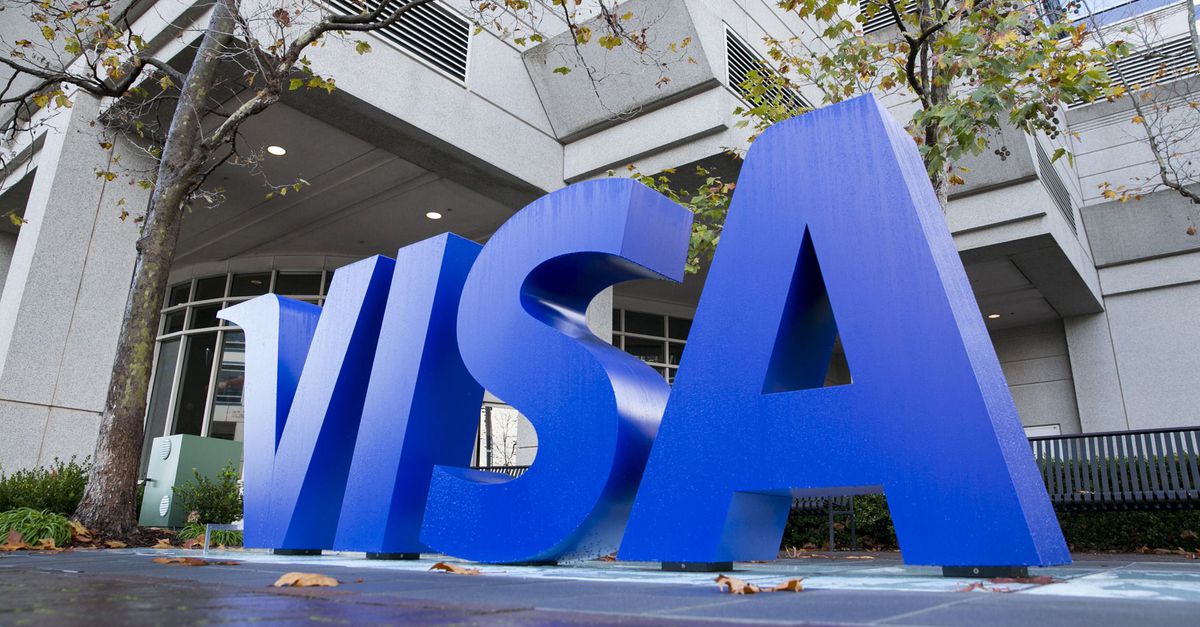
In a significant move for financial technology in Latin America (LATAM), Visa has announced the launch of stablecoin payments through a strategic partnership with Bridge, a subsidiary of Stripe. This initiative aims to broaden access to stablecoin payments across various countries in the region, emphasizing Visa’s commitment to advancing digital payment solutions. Through a seamless single API integration, developers using Bridge Fintech can now offer stable asset transactions, paving the way for enhanced financial inclusivity.
The Visa Stablecoin Offering: Expanding Accessibility
Visa’s latest stablecoin offering aims to provide users access to stable asset payments at local shops within its expansive network of over 150 million merchants. This strategic development underscores Visa’s intent to expand its payment initiatives in growing markets. The partnership with Bridge not only signifies immediate access in LATAM but also supports the rollout of new card programs across Colombia, Ecuador, and Mexico. With plans for future growth, Visa is eyeing broader markets, including Europe, Africa, and Asia, poised to capitalize on the burgeoning demand for innovative payment solutions.
Competitive Landscape: Keeping Pace with Rivals
Visa’s dive into stablecoin payments follows closely on the heels of Mastercard’s recent rollout of its own stable token transaction solutions. This renewed focus on stablecoin technology from major fintech players underscores the intense competition in the financial services space, driven by rapidly evolving regulatory landscapes worldwide. As both Visa and Mastercard enhance their offerings, they reflect a broader trend among payment firms to explore the potential benefits of stability and security that stablecoins provide.
The Growing Demand for Stable Assets
The rising demand for stable assets among both cryptocurrency and mainstream payment firms presents a transformative opportunity in the financial market. While established players like Visa and Mastercard are not venturing into creating their own stablecoins just yet, companies like Robinhood and Revolut are reportedly exploring these opportunities. Ripple has also joined the fray with the launch of RLUSD, positioning itself to capture a slice of the expanding $239 billion stablecoin market and challenging dominant players such as Tether (USDT) and Circle (USDC). With projections that the stablecoin ecosystem could exceed $500 billion in the coming years, strategic mergers and acquisitions are becoming commonplace as firms look to solidify their foothold in this growing market.
Navigating Regulatory Changes
As the demand for stablecoins accelerates, regulatory frameworks are evolving to govern this changing landscape. Currently, there are no comprehensive guiding laws for firms like Visa in the US, but developments are underway. Legislation like the GENIUS and STABLE Act aims to address regulatory gaps, allowing for better management and oversight of stablecoin activities. Additionally, a recent pro-crypto stance from lawmakers, spurred by the Trump Administration, has begun to shape the regulatory narrative. Meanwhile, the United Kingdom is also pushing forward with its legislative efforts, as seen in the implementation of the Markets in Crypto Assets (MiCA) regulation, which is designed to strengthen the compliance landscape for stablecoin issuers in the region.
The Future of Stablecoins in Global Markets
The future of stablecoin payments looks promising as both traditional financial institutions and innovative fintech companies explore new avenues for growth. With Visa and Bridge spearheading efforts in LATAM, these moves signal a shift towards more accessible and stable payment solutions. As more financial players enter the stablecoin arena, the overall ecosystem is set to diversify, catering to the evolving needs of consumers and businesses alike. The expansion into LATAM may just be the beginning; industry watchers will be keenly observing how Visa and its partners navigate the complexities of compliance, competition, and consumer trust in the global marketplace.
In conclusion, as Visa forges ahead with stablecoin payments in LATAM, the implications for the broader financial landscape are profound. The alliance with Bridge not only enhances Visa’s offerings but also reflects a growing recognition of the importance of stable assets in the financial sector. With a competitive environment emerging and regulatory frameworks evolving, the stage is set for a massive transformation in how we view and use currency in the digital age.