



New Legislative Proposal to Ease Crypto Tax Treatment: What You Need to Know
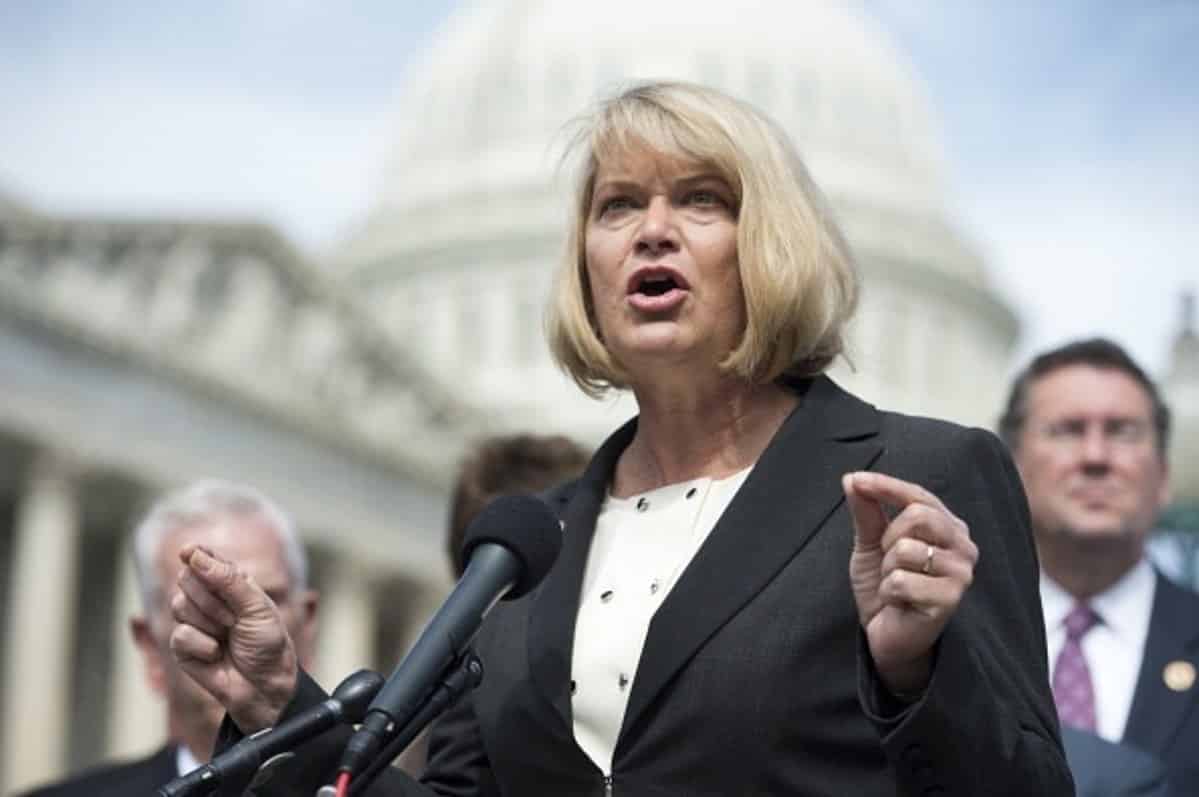
In a groundbreaking legislative effort, U.S. Senators Cynthia Lummis and Bernie Moreno are advocating for changes to the taxation of cryptocurrencies. Their proposal arises amid increasing concerns regarding the current tax framework that appears to unfairly burden companies dealing with digital assets. By introducing new legislation, they aim to strike a balance that fosters innovation while ensuring sound fiscal responsibility.
Addressing Corporate Tax Liabilities
The impetus for Lummis and Moreno’s proposal is rooted in the implications of the Corporate Alternative Minimum Tax (CAMT), launched under the 2022 Inflation Reduction Act. This tax mandates a minimum tax of 15% for corporations with average adjusted financial statement income of at least $1 billion over a three-year span. Under current regulations, companies must account for unrealized gains and losses on their digital assets, which can lead to tax liabilities that may not accurately reflect a firm’s actual profitability. The senators seek to amend these tax liabilities by excluding unrealized gains and losses from the calculation of adjusted financial statement income (AFSI). This crucial change would protect companies from facing tax bills driven by temporary market fluctuations.
The Role of the Financial Accounting Standards Board (FASB)
Recently, the Financial Accounting Standards Board (FASB) introduced Accounting Standards Update 2023-08. This update mandates fair value reporting for digital assets under Generally Accepted Accounting Principles (GAAP). While intended to enhance transparency, it inadvertently exposes firms to significant crypto tax liabilities based on unrealized gains. This development raises critical concerns as companies are now required to report the fair market value of digital assets like Bitcoin and Ethereum at the close of each quarter. This means even if they do not sell these assets, they have to recognize gains as income, complicating their tax responsibilities further.
Lummis and Moreno are therefore urging the Department of the Treasury to adjust AFSI calculations by omitting unrealized gains and losses for digital assets. In their view, this measure is not just a matter of tax fairness; it’s imperative for creating an environment conducive to investment and innovation in the digital asset space.
Concerns from the Crypto Industry
The crypto community has been vocal about the potential fallout if these tax laws remain unchanged. Lummis and Moreno emphasize that without clear guidelines, many U.S.-based companies may feel compelled to liquidate their crypto holdings to meet CAMT liabilities. This could expose American firms to a competitive disadvantage when compared to foreign companies that may not face similar tax obligations under international standards.
In a recent acknowledgment of the industry’s concerns, the IRS issued Notice 2023-20, providing temporary relief to the insurance sector under CAMT. However, skepticism remains, especially after key leaders in the IRS Digital Asset Initiative exited the organization amidst uncertainties surrounding the tax landscape. The senators underscore that immediate action from the Treasury is crucial to prevent detrimental outcomes in the digital asset market.
Legislative Developments at the State Level
In an intriguing parallel, Missouri has positioned itself on the other end of the spectrum by passing House Bill 594, which aims to eliminate state capital gains tax, including for crypto assets. This pivotal bill is currently awaiting the governor’s signature. If enacted, Missouri would distinguish itself by becoming the first state to eradicate capital gains tax for all asset classes, extending this benefit to cryptocurrencies like Bitcoin and XRP. Such developments at the state level are noteworthy as they contrast sharply with the federal complexities surrounding crypto taxation.
Uncertainties in Federal Policy
While the discussion around crypto tax continues, federal policy changes remain inherently unpredictable. Currently, prediction markets reflect a mere 12% likelihood that a potential Trump administration would eliminate capital gains taxes on crypto by 2025. Although some optimism exists, it still does not garner a majority. Furthermore, former President Trump has floated ideas to replace income taxes with tariffs, stirring speculation about prospective changes in taxation, but no formal proposals have emerged.
Conclusion: The Road Ahead for Crypto Taxation
As the legislative landscape surrounding cryptocurrency taxation evolves, the proposal by Senators Lummis and Moreno signifies a critical step toward addressing the urgent needs of the crypto industry. By advocating for the exclusion of unrealized gains and losses from tax calculations, they aim to create a more equitable environment for companies engaged in digital assets. Meanwhile, developments at the state level, such as Missouri’s potential capital gains tax elimination, highlight the growing divergence between state and federal policy in the cryptocurrency realm. As the dialogue continues, it will be essential for stakeholders to remain informed and engaged in these transformative discussions that could reshape the future of crypto taxation in the United States.