



The CLARITY Act and Its Impact on U.S. Crypto Regulation: An Overview
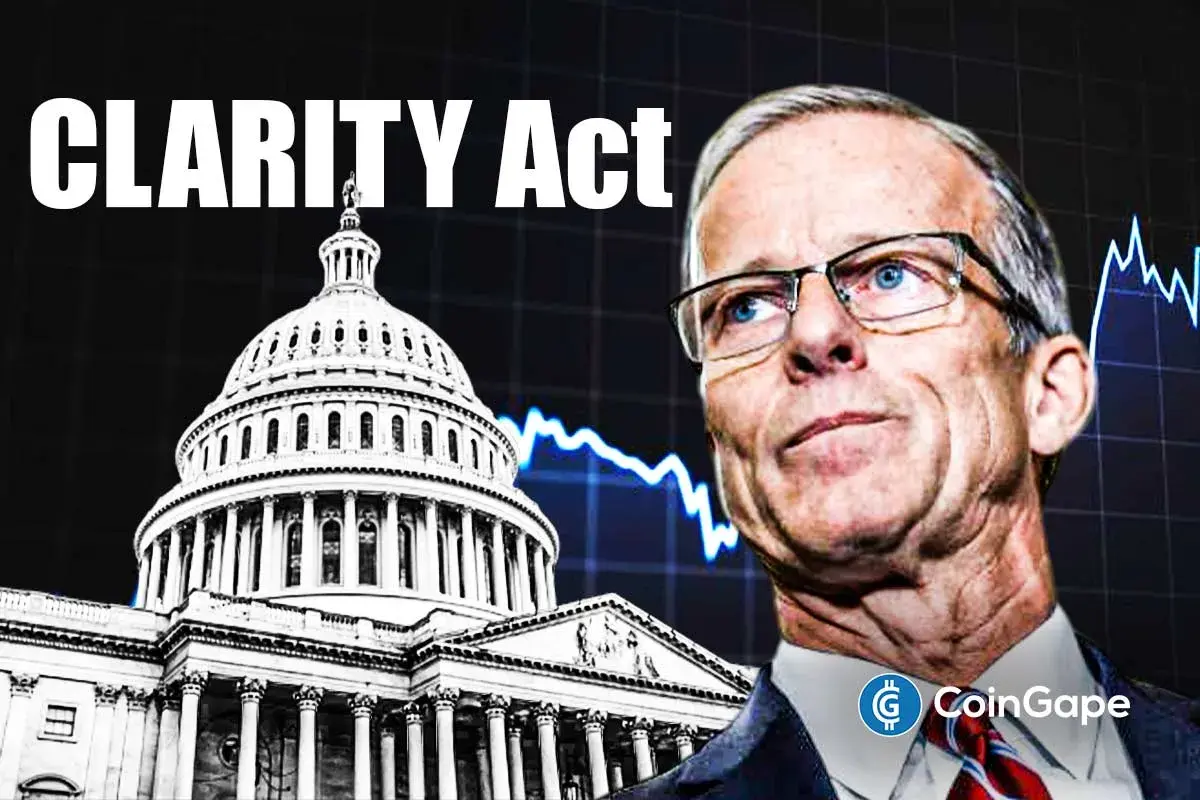
As the United States grapples with the necessity for clear cryptocurrency regulations, the anticipated CLARITY Act faces mounting obstacles. Recently, Senate Majority Leader John Thune expressed concerns that this pivotal legislation might not advance through the Senate Banking Committee until at least April 2026. These delays are significant, considering the growing urgency for a structured regulatory framework that is vital for the burgeoning cryptocurrency industry.
Senate Majority Leader John Thune’s Cautious Outlook on the CLARITY Act
In a recent statement shared via X, Senator Thune cast doubt over the imminent passage of the CLARITY Act. He indicated that discussions within the Senate Banking Committee about the market structure bill are fraught with complications, particularly regarding stablecoin regulations. With ongoing disputes between banks and crypto advocates concerning stablecoin yield proposals, Thune is skeptical about any swift movement on the legislation. His quotes suggest a clear expectation that meaningful advancements in the Senate on crypto regulations are unlikely in the near term.
Challenges and Delays in Crypto Regulation
The delays surrounding the CLARITY Act are not unique but are reflective of broader challenges in cryptocurrency regulation. While discussions continue in the Senate, parallel legislative initiatives like the SAVE America Act, championed by former President Trump, are currently at the forefront. This focus on other bills may further postpone deliberations on the market structure legislation that is critical for the future of the crypto landscape in the U.S. The complexity of negotiations amplifies the uncertainty for companies and investors navigating this volatile space.
Implications for the U.S. Crypto Industry
The delay in passing the CLARITY Act raises critical questions about the future of the U.S. crypto industry. Trump has voiced concerns that prolonged inaction could jeopardize the country’s competitive position in the global market. Many fear that without a cohesive regulatory framework, the U.S. risks losing its dominance as firms may shift to jurisdictions with more favorable regulations. The consequences of such a shift could be detrimental, not only to the U.S. economy but also to its technological leadership in the innovative field of digital assets.
Collaborative Efforts to Enhance Regulatory Clarity
Despite the setbacks, there have been positive movements toward a clearer regulatory landscape. The collaboration between the U.S. SEC and CFTC aims to eliminate confusion surrounding crypto regulations. This coordinated effort is crucial in addressing the regulatory uncertainties plaguing the industry. However, the absence of the CLARITY Act hampers these efforts, leaving companies and investors in a state of ambiguity as they navigate compliance and operational strategies.
Divergent Perspectives on Legislative Timelines
While Thune is pessimistic about an April passage, other voices in the Senate express more optimism. Ohio Senator Bernie Moreno previously suggested that the timeline could be more favorable, indicating that the crypto bill may clear the Senate by April. Moreover, experts like Kristin Smith and analysts from JPMorgan provide a mixed outlook, with some projecting a possible approval as late as July 2026. This divergence in opinions underscores the unpredictability and complexity of the legislative process regarding cryptocurrency regulation.
Conclusion: Navigating Uncertainty in the Crypto Space
In summary, the ongoing delays surrounding the CLARITY Act continue to create uncertainty in the U.S. cryptocurrency market. As Senate discussions become entangled with competing legislative priorities, the potential for a clear regulatory framework remains elusive. While there are encouraging collaborations among regulatory agencies, the lack of definitive legislation leaves investors and companies in a precarious position. The implications of these delays could extend beyond the domestic sphere, affecting the U.S.’s standing in the global digital asset market. As we move forward, it will be crucial to monitor the evolving legislative landscape to understand its impact on the future of cryptocurrency regulation in the United States.