




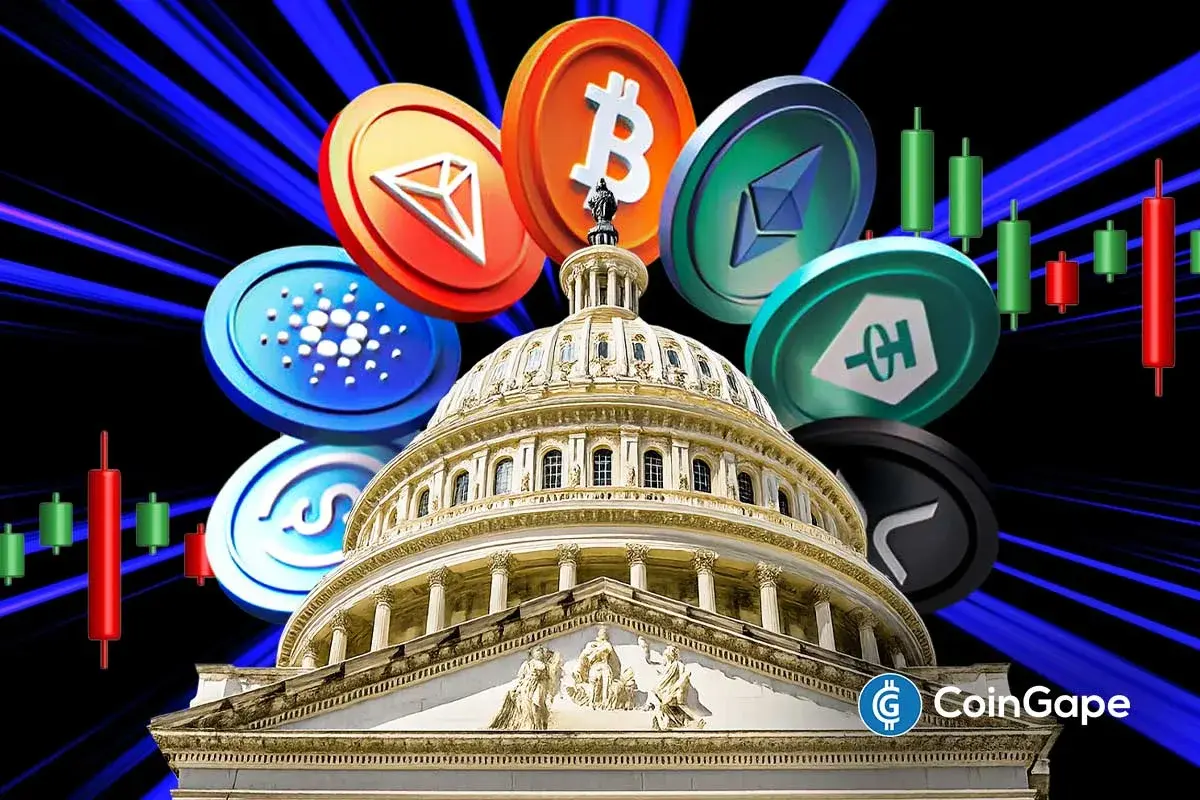
Senate Banking Committee Delays Crypto Bill Amid Coinbase Withdrawal
The much-anticipated crypto bill meeting scheduled by the Senate Banking Committee has been postponed. This delay comes on the heels of a withdrawal of support from Coinbase, a prominent cryptocurrency exchange. As legislators grapple with industry feedback, the future of the bill remains uncertain while a new meeting date is yet to be announced.
Concerns Prompt Senate to Postpone Meeting
A report by Eleanor Terrett highlights the reasoning behind the Senate’s decision to push back the markup session initially slated for Thursday. Concerns regarding the draft of the bill, particularly around the new regulations affecting crypto-assets, prompted this change. Originally, the meeting was expected to delve into the latest version of the CLARITY Act—a proposed regulatory framework designed to provide guidelines for digital assets in the United States. However, the timing and content of the bill have drawn scrutiny from various stakeholders in the crypto industry.
Stricter Regulations Under CLARITY Act
The draft legislation, released after consultations with some Democratic senators, attached stricter regulations to yield-bearing crypto-assets. This includes prohibitions that would directly impact firms like Coinbase, which rely on reward systems to engage users. Such provisions align with the restrictions noted in the GENIUS Act, which has faced criticism from various companies advocating for innovation within the digital asset sector.
Coinbase’s Withdrawal of Support
In light of the draft’s implications, Coinbase publicly declared its withdrawal of support for the bill in its current form. CEO Brian Armstrong took to social media platform X to articulate his company’s concerns, noting several key issues. Among these were provisions that effectively ban tokenized equities and rules that could grant the government extensive access to users’ financial information. Armstrong argued that these regulations could stifle competition and innovation, significantly impacting firms invested in yield programs.
Armstrong’s Perspective on Legislative Efforts
In his message, Armstrong expressed appreciation for the bipartisan efforts by the Senate to reach an agreement but emphasized the importance of a balanced approach. He suggested that a flawed bill could be more detrimental than the current regulatory environment, stating, “We’d rather have no bill than a bad bill. Hopefully, we can all get to a better draft.” This statement reflects the sentiment among many industry leaders that any regulation must foster growth, not hinder it.
Broader Impact on Legislative Landscape
Adding to the complexities, the Senate Agriculture Committee has also chosen to delay its markup of a crypto bill, signaling a more cautious approach to digital asset regulation. Both committees now face the challenge of reconvening to discuss potential adjustments to the proposed legislation. Coinbase’s shift from being a supporter of regulation illustrates a growing divide between traditional regulatory approaches and the technology-centric ethos of the crypto industry.
Conclusion: The Future of Crypto Regulation
As the Senate Banking Committee navigates the postponement of the crypto bill meeting, the stakes for the digital asset industry remain high. The withdrawal of Coinbase’s support marks a significant pivot in the discourse surrounding crypto regulation and reflects broader industry concerns. The discussions to follow will undoubtedly shape the future landscape of digital asset regulation in the United States, aiming to strike a balance between consumer protection and fostering innovation. The path ahead is uncertain, but stakeholders continue to advocate for a solution that meets the needs of an evolving market.