


The Impact of Trump’s Tariff Threats on U.S.-EU Relations and the Crypto Market
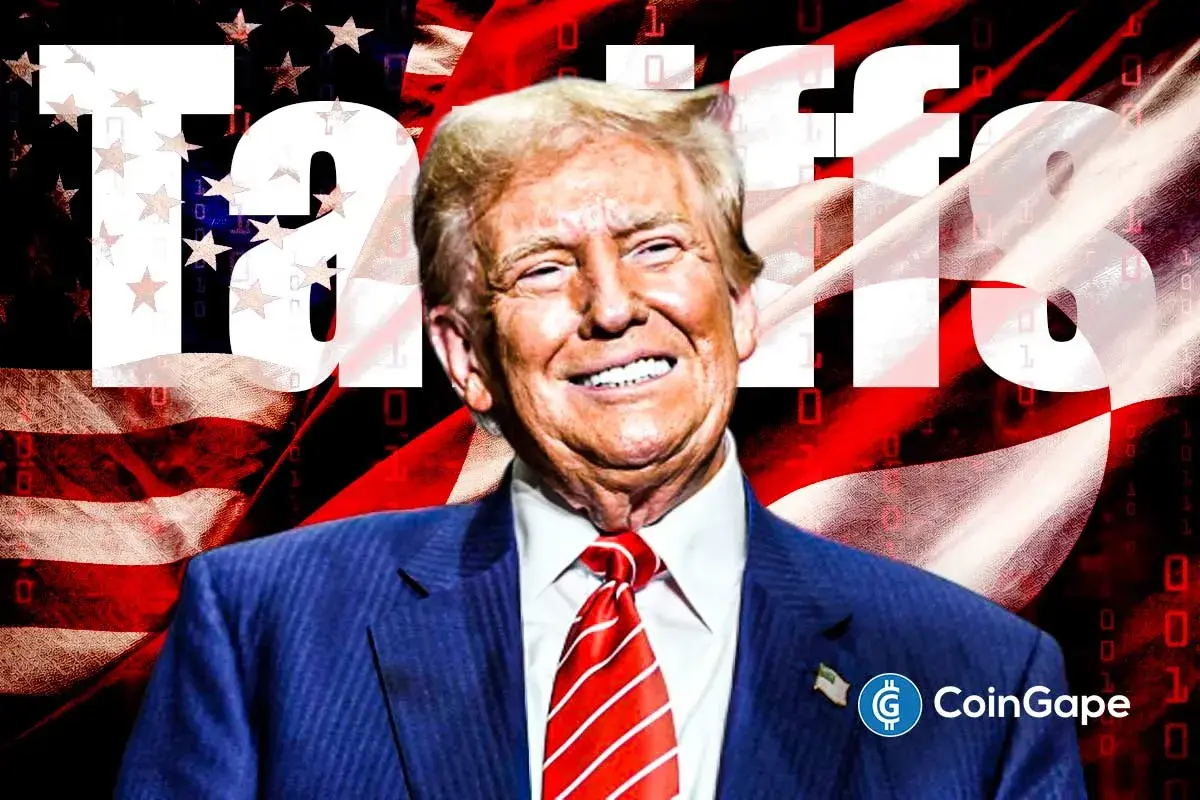
On a recent Tuesday, former U.S. President Donald Trump made headlines by threatening to impose 200% tariffs on French wines and champagne. This bold assertion comes amidst a turbulent period for financial markets, notably the significant downturn in the cryptocurrency sector, where fears about potential tariffs are compounding existing macroeconomic uncertainties, such as impending interest rate hikes in Japan. Trump’s remarks underscore the ongoing friction in U.S.-EU relations and its far-reaching implications on global trade dynamics and asset markets.
Trump’s Aggressive Tariff Threat
Trump’s comments were prompted by a question regarding French President Emmanuel Macron’s refusal to engage with the recently proposed Board of Peace. Dismissing Macron’s influence, Trump highlighted the importance of France’s wine exports, threatening to impose staggering tariffs if France continued its "hostile stance." Currently, French wines face a 15% tariff upon entering the U.S., and the threat of a 200% increase could have severe repercussions for both French exporters and American importers. Trump emphasized that the proposed measure would apply pressure on France without requiring a formal agreement, suggesting an aggressive shift in his trade policy.
Critically, Trump’s comments were laced with personal criticism directed at Macron, predicting his departure from office but without specifying a timeline. This remark appears to be yet another attempt to undermine French leadership at a time when U.S.-EU relations are already fraught with tension. Notably, this is not the first instance where Trump has clashed with European leaders, reflecting a consistent narrative of confrontation that potentially undermines long-standing diplomatic ties.
Broader Trade Frictions: The Greenland Dispute
Amidst the tariff threats, Trump reiterated his ambition for the United States to assume control over Greenland, asserting that Europe lacks the capacity to protect the territory. This assertion escalates an already complicated U.S.-EU relationship, especially in light of Denmark’s historical claims over Greenland. Trump’s unwillingness to recognize these claims fuels territorial disputes that complicate diplomatic dialogue. He has warned European lawmakers about pursuing Greenland "whether they like it or not," framing this move as vital for global security.
Moreover, his recent statements about imposing additional tariffs of up to 25% on goods from eight European countries—including Denmark, Germany, and the United Kingdom—indicate a systematic approach toward leveraging trade as a tool for geopolitical maneuvering. The structured rollout of tariffs, starting with 10% on February 1 and escalating to 25% by June 1, implicitly threatens businesses, spurring anxiety across European capitals regarding retaliatory measures.
European and Global Responses
In light of Trump’s aggressive tariff threats, European nations are contemplating their own countermeasures. Reports suggest discussions about potential tariffs amounting to $108 billion on U.S. goods, emphasizing a serious response to perceived provocations. The timing of these deliberations coincides with Trump’s scheduled discussions at the World Economic Forum in Davos, where he plans further talks about tariffs and Greenland. This setting underscores the global repercussions of localized trade disputes and highlights how interlinked our world economy has become.
In addition to European responses, the situation has caught the attention of China, with officials cautioning against the narrative of a "China threat" emerging from these developments. Chinese leaders are asserting that issues related to Greenland should be guided by international law and the UN Charter, echoing the sentiment that global governance mechanisms should take precedence over individual state claims.
The Ripple Effect on the Crypto Market
Trump’s tariff threats and escalating international tensions have also permeated the cryptocurrency market, resulting in immediate negative impacts on digital assets. Notably, Bitcoin (BTC) fell by 2.05%, while Ethereum (ETH) dropped by 4.57%, indicating investor unease. The correlation between political statements and market fluctuations reflects heightened sensitivity among cryptocurrency investors to macroeconomic signals, and Trump’s remarks have led to immediate reactions in price movements.
Despite these declines, some firms are taking advantage of the situation by buying the dip. Noteworthy purchases include Strategy’s acquisition of 22,305 BTC for around $2.13 billion, reinforcing their considerable investment in cryptocurrencies. This demonstrates that institutional investors remain committed to long-term strategies despite short-term volatility, showcasing the resilience and confidence in the crypto market—even amid chaotic geopolitical events.
Restructuring Trade Relations
Trump’s tariff threats against France point to increasing strain in U.S.-EU trade relations, turning what could have been simple diplomatic discussions into a complex interplay of trade and territorial claims. The introduction of tariffs linked to broader geopolitical ambitions signifies a shift toward unilateral measures that could reshape international trade norms. As discussions progress at venues such as the World Economic Forum, it remains to be seen how nations will navigate these turbulent waters.
In conclusion, the ramifications of Trump’s tariff threats are multifaceted, impacting not only trade relations between the U.S. and France but also creating ripples across the global cryptocurrency market. The interplay of economic and political interests continues to evolve, highlighting the interconnected nature of modern diplomacy. As we look forward, the resolution—or escalation—of these trade conflicts will significantly influence both international relations and market dynamics.