



The United States Introduces Changes to the Trump Tariff: A New Era in Trade Relations
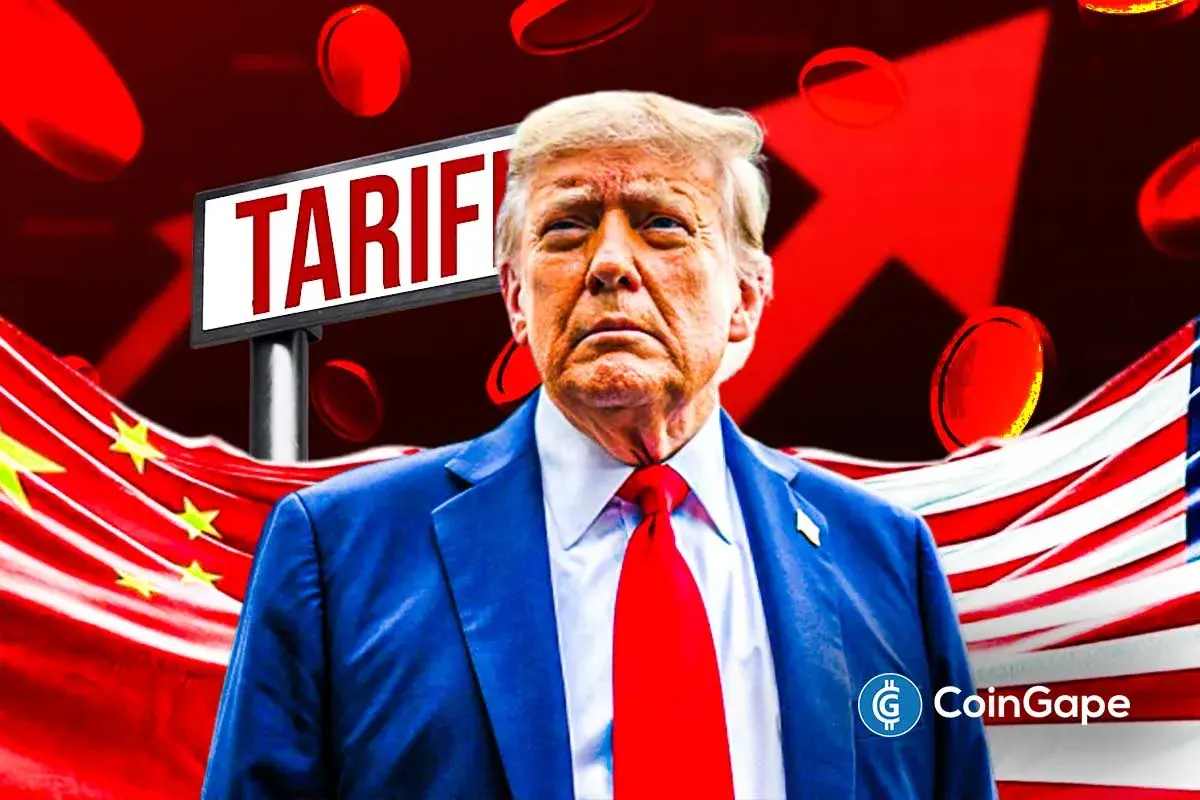
In a significant policy shift, the United States has announced alterations to the Trump Tariff framework, with the goal of improving trade relations, particularly with China. This decision comes amidst ongoing scrutiny and questions regarding the legality of such tariffs from the U.S. Supreme Court. This article examines the recent changes to the tariff structure, their implications for U.S.-China trade relations, and the potential impact of legal challenges on future tariff policies.
Key Changes to Trump Tariff Structure
Recently, the White House outlined several modifications to the existing Trump Tariff system. A major highlight is the suspension of the steep 24% reciprocal tariff rate until November 10, 2026, which marks a significant reduction from an average rate of 34%. The base tariff will now rest at a more manageable 10%. Additionally, the overall tariff on Chinese imports to the U.S. has decreased from an initial 57% to approximately 47%, marking a notable easing of trade tensions. This decision underscores the administration’s commitment to recalibrating trade dynamics while still maintaining significant import restrictions.
Focus on Opioid Crisis: Tariff Adjustments on Chinese Goods
In line with ongoing efforts to combat the fentanyl crisis, the U.S. has reduced tariffs on goods from China linked to opioid precursors from 20% to 10%. This policy adjustment aims to address the public health emergency posed by fentanyl trafficking, allowing for increased access to essential goods while still enforcing trade restrictions. The current overall tariff on Chinese imports stands at about 47%, down from prior levels. By strategically adjusting tariffs, the U.S. hopes to address pressing domestic issues without entirely undermining its trade policies.
New U.S.-China Trade Agreement: A Step Toward Amity
The administration’s new trade agreement with China reflects an effort to ease longstanding tensions between the two nations. Under the new deal, Beijing will lift some of its highest retaliatory tariffs for a duration of one year, sustaining a 13% tariff on U.S. soybean imports. In exchange, China has committed to importing at least 12 million metric tons of U.S. soybeans before the end of 2025, which signifies a substantial win for American agriculture. Furthermore, China aims to regulate its exports of fentanyl precursors and remove restrictions on rare earth materials. Such concessions underscore the intent to foster a collaborative environment for trade, benefiting American workers and industries as affirmed by the White House.
Legal Scrutiny: Supreme Court Reviews Trump Tariff Authority
While these changes intend to foster an atmosphere of cooperation, the U.S. Supreme Court is currently deliberating a case that may significantly influence the future of the tariffs themselves. Legal experts argue that the president’s authority under the 1977 International Emergency Economic Powers Act (IEEPA)—which does not explicitly confer power to impose tariffs—may be under scrutiny. During recent oral arguments, justices expressed skepticism regarding the broad application of tariffs based on the IEEPA, indicating potential challenges to the legality of the Trump Tariff framework.
Financial Market Reactions and Future Implications
The uncertainty surrounding the court’s ruling has already begun to permeate financial prediction markets. Reports indicated that traders had decreased their odds of favorable outcomes for Trump in the ongoing legal battle by nearly 30%, following the Supreme Court hearing. Despite the apprehensions within market circles, U.S. Treasury Secretary Scott Bessent has remained optimistic about a positive ruling. This cautious optimism suggests that the administration may still find avenues to impose tariffs, drawing upon other trade laws even if the Supreme Court rules against the current framework.
Conclusion: Navigating the Future of U.S.-China Trade
As the U.S. embarks on a new chapter in its trade relationship with China, the recent adjustments to the Trump Tariff exemplify a strategic balancing act. With changes aimed at addressing critical domestic concerns such as the opioid crisis while fostering improved relations with Beijing, the administration’s efforts signal a commitment to evolving trade policies. However, the ongoing legal challenges loom large, with the Supreme Court’s forthcoming decisions poised to shape the landscape of U.S. trade for years to come. The successful crossing of these legal hurdles may pave the way for a more stable and beneficial trade environment.