



White House Confirms No Pardon for Sam Bankman-Fried: Understanding the Developments
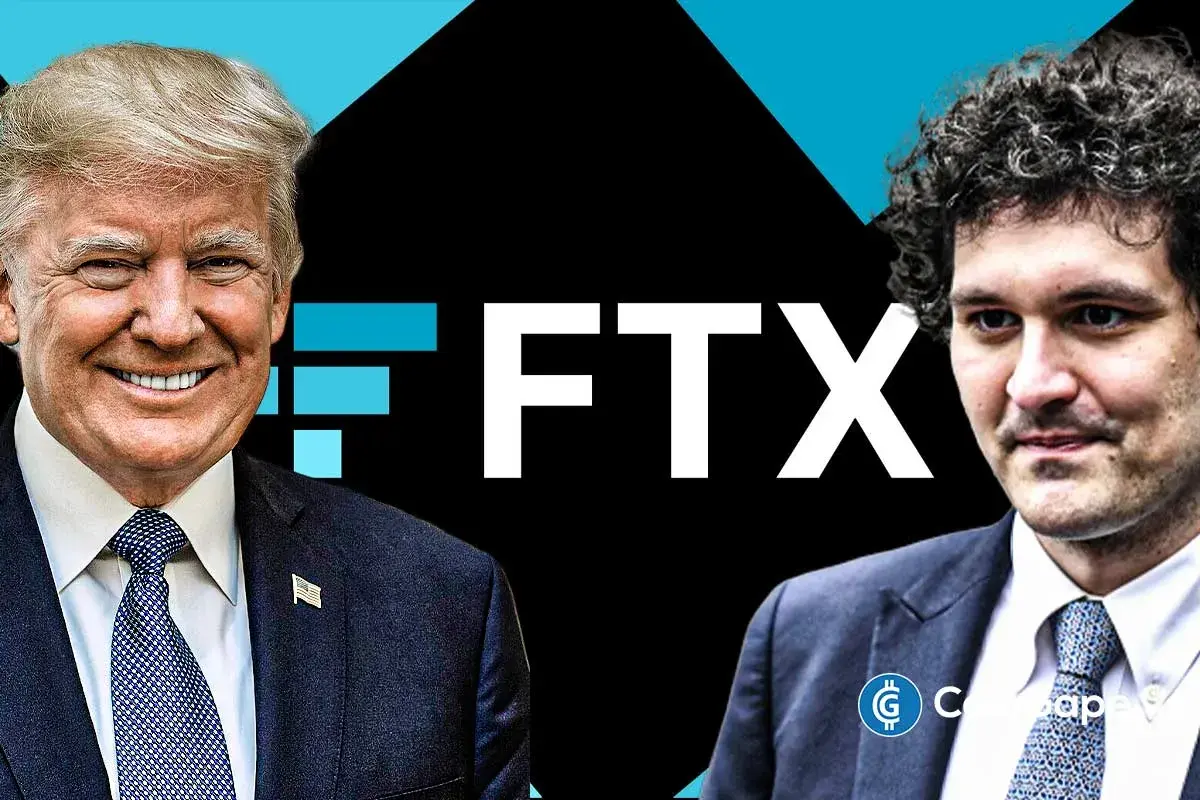
The ongoing saga surrounding former FTX founder Sam Bankman-Fried (SBF) took a decisive turn when the White House confirmed that U.S. President Donald Trump will not grant him a pardon. This announcement follows SBF’s fervent appeals for forgiveness, even as he pursues a new trial. The decision underscores the complexities of his case, highlighting not only the legal implications but also the political environment influencing the fate of individuals associated with the controversial cryptocurrency sector.
Trump’s Stance on SBF’s Pardon
A White House representative recently reiterated that Trump does not intend to pardon Bankman-Fried, which sets a firm boundary on SBF’s hopes for clemency. This statement isn’t just a simple rejection; it reflects a broader perspective on the legitimacy of Bankman-Fried’s actions as FTX’s founder. Following his conviction last November on multiple fraud and conspiracy counts, SBF is currently serving a 25-year prison sentence, making his position increasingly precarious as he aims to mitigate the repercussions of his actions. The spokesperson mentioned the president’s remarks from last month, highlighting the president’s authority in the pardon process, further complicating SBF’s wish for a reprieve.
The Context of Bankman-Fried’s Campaign
Despite the White House’s firm stance, Bankman-Fried has actively campaigned for a pardon from Trump. His efforts were amplified through posts on social media, where he expressed support for Trump’s pro-cryptocurrency policies and criticized the Biden administration’s regulatory approach to the crypto space. This dual approach of flattering the Trump administration while denouncing the current administration presents a desperate attempt to navigate the complex political landscape that ultimately impacts his legal situation. However, his past as a prominent donor to the Biden campaign has likely constrained his ability to garner sympathy or support among Republican lawmakers.
The Fallout from SBF’s Case
The blowback from Bankman-Fried’s actions has reverberated throughout the cryptocurrency industry. SBF’s reputation has been significantly tarnished, with many viewing him as a figure who epitomizes the darker side of crypto trading. This villainous status creates an uphill battle for redemption, making his plea for a pardon appear increasingly unfeasible. D.C. insiders have suggested that his prior financial contributions to political campaigns may have further undermined his appeal in seeking a pardon, emphasizing how intertwined politics and justice can complicate individual cases within high-stakes environments.
Allegations of an Unfair Trial
In recent communications through his social media channels, Bankman-Fried’s team has claimed that he did not receive a fair trial, alleging that various factors skewed the legal proceedings against him. Assertions include manipulation of the narrative by the Biden administration’s Department of Justice and manipulation of evidence presented during the trial. SBF’s posts have pointed to perceived injustices, such as the exclusion of evidence relating to FTX’s financial health and claims of bias from Judge Lewis Kaplan, who oversaw the trial. These allegations reflect a combative strategy, highlighting his insistence that the accusations against him were unjust.
Seeking a New Trial and Legal Challenges Ahead
In light of the unfavorable verdict, Bankman-Fried is actively seeking a new trial, contending that essential evidence was withheld from his defense, thus compromising the integrity of the judicial process. His legal team’s strategy includes requesting a new judge, arguing that Judge Kaplan displayed bias throughout the proceedings. As these legal challenges unfold, the larger implications for the cryptocurrency landscape are significant. The outcome could shape future regulations, public perceptions, and the very viability of various crypto enterprises navigating an increasingly stringent regulatory environment.
Conclusion: The Intersection of Law and Politics
The inability of Sam Bankman-Fried to secure a pardon from President Trump highlights a crucial intersection of law and politics, particularly in the rapidly evolving cryptocurrency landscape. With rising concerns over ethical conduct and regulatory frameworks, the SBF case may serve as a litmus test for the treatment of crypto figures within the American legal system. As he seeks a new trial while grappling with the repercussions of his past actions, the overarching narrative serves as a cautionary tale for others in the industry facing similar challenges. The final outcome may influence not just Bankman-Fried’s future, but the entire trajectory of cryptocurrency regulation and the public’s perception of this burgeoning sector.