



Trump Calls for Interest Rate Cuts: Impact on Housing and Economic Outlook
In a recent attempt to influence economic policy, US President Donald Trump has publicly advocated for interest rate cuts from the Federal Reserve ahead of the upcoming FOMC meeting. Trump’s fervent appeals are based on newly released economic data, including a promising GDP report showing a 3% growth in the second quarter. This optimistic perspective is bolstered by decreasing inflation metrics, leading Trump to assert that rate reductions could ignite a revival in the housing market.
Rationale Behind Rate Cuts
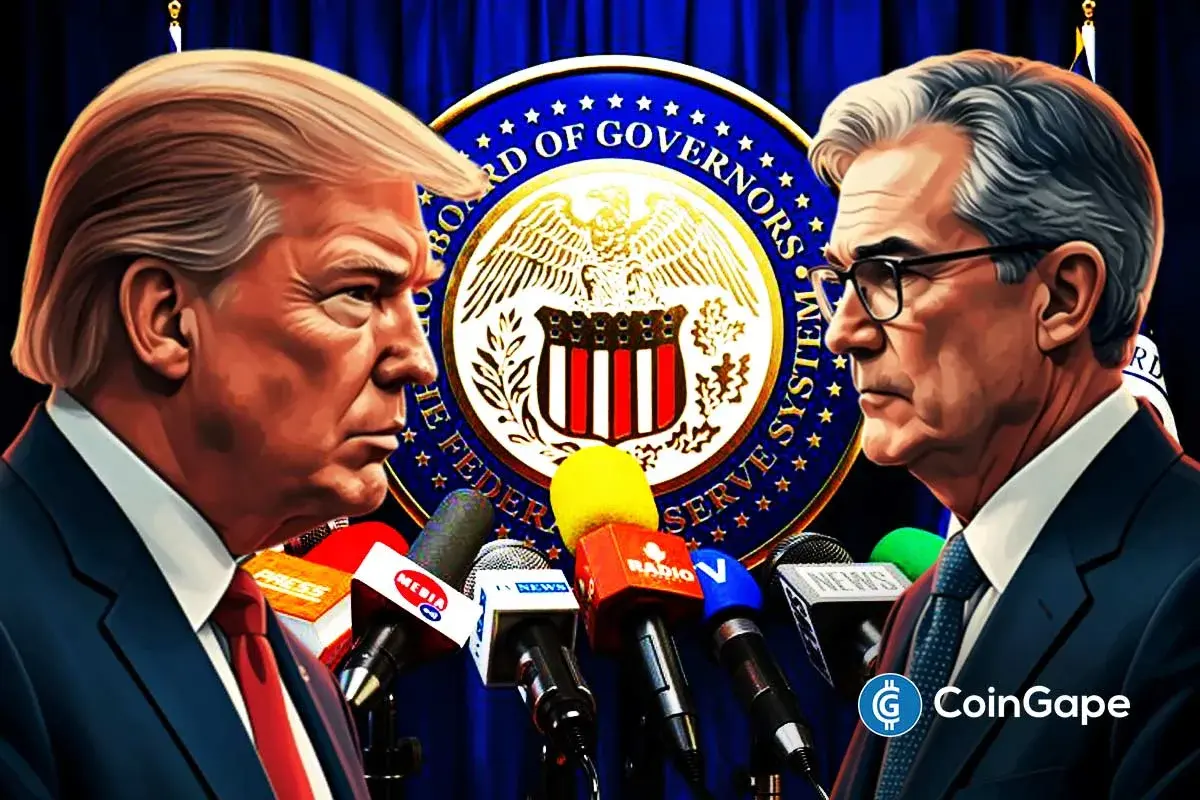
In a post on Truth Social, Trump emphasized the significance of the new GDP figures, which exceeded expectations and signaled a healthy economic climate. He specifically criticized Fed Chair Jerome Powell for not acting sooner on rate cuts, describing him as "Too Late" after missing several opportunities through 2025. The rationale behind Trump’s plea is straightforward: lower interest rates would stimulate market activity by making home purchases and mortgage refinancing more accessible for consumers.
Moreover, recent legislative initiatives—such as the Mortgage Act introduced by Senator Cynthia Lummis—aim to incorporate cryptocurrency in mortgage eligibility processes, which could further digitize the housing sector. This legislative approach aligns well with Trump’s vision of a more vibrant housing market bolstered by low interest rates.
The Economics of Timing
Trump’s calls for lower interest rates come just days after his visit to the Federal Reserve, where he further emphasized the need for rate cuts. He highlighted how other central banks, particularly the European Central Bank, have successfully implemented lower interest rates amid stagnant inflation. Analysts believe that any alterations to the Federal Reserve’s interest rates could significantly impact US economic projections over the next seven weeks.
As per the CME FedWatch tool, the odds of the Federal Reserve slashing interest rates are currently low, with a mere 3.1% likelihood for rates to drop to the 400-425 basis points range. In contrast, there’s a staggering 96% probability that the Fed will maintain interest rates between 425–450 basis points.
Divided Opinion Among Federal Reserve Officials
Despite Trump’s strong advocacy, the Federal Reserve appears to be divided on the issue. Several analysts, including Treasury Secretary Scott Bessent, have expressed doubts about any imminent rate cuts. Furthermore, San Francisco Federal Reserve President Mary Daly has suggested more tempered expectations, recommending a wait-and-see approach before considering two potential rate cuts in 2025. This indicates a cautious stance within the Fed, consistent with the majority opinion that prioritizes stability over aggressive monetary easing.
Challenges Ahead
For the Fed, the decision to cut interest rates is not merely about current economic data; it also involves navigating public sentiment and exploring the long-term implications of such cuts. Trump’s push for immediate action against the backdrop of rising home prices and consumer debt highlights the complexities involved in managing monetary policy. While lower interest rates could benefit many, they might also pose risks such as fueling inflation or destabilizing financial markets.
Moreover, the ongoing debates around cryptocurrency within financial systems may compel regulators to rethink their strategies. As digital currencies become more prevalent, the Federal Reserve may need to understand how these implications intersect with interest rate policies, especially given the innovative proposals like the Mortgage Act targeting Bitcoin.
Conclusion
In summary, President Trump’s advocacy for interest rate cuts reveals a pivotal moment for the Federal Reserve as it weighs its options ahead of the July meeting. As economic indicators provide both hope and uncertainty, the Fed must grapple with the intricacies of monetary policy in a rapidly evolving financial landscape. With low odds for rate cuts in the near term, the coming weeks will be crucial in determining the trajectory of the US economy and the housing market.
The interplay between legislative efforts, public pressure, and economic metrics creates a dynamic environment that will determine how the Federal Reserve navigates this challenging period. Whether the Fed follows Trump’s urging or adopts a more measured approach, the forthcoming decisions will undoubtedly shape the economic landscape in profound ways.
Engagement with these developments is essential for stakeholders in the housing market and beyond, as the effects of interest rates ripple throughout the economy. The future remains uncertain, but the discussion around interest rates will undoubtedly remain a focal point in the coming months.