


The Fed Chair Race: A Look at Potential Nominees and Market Reactions
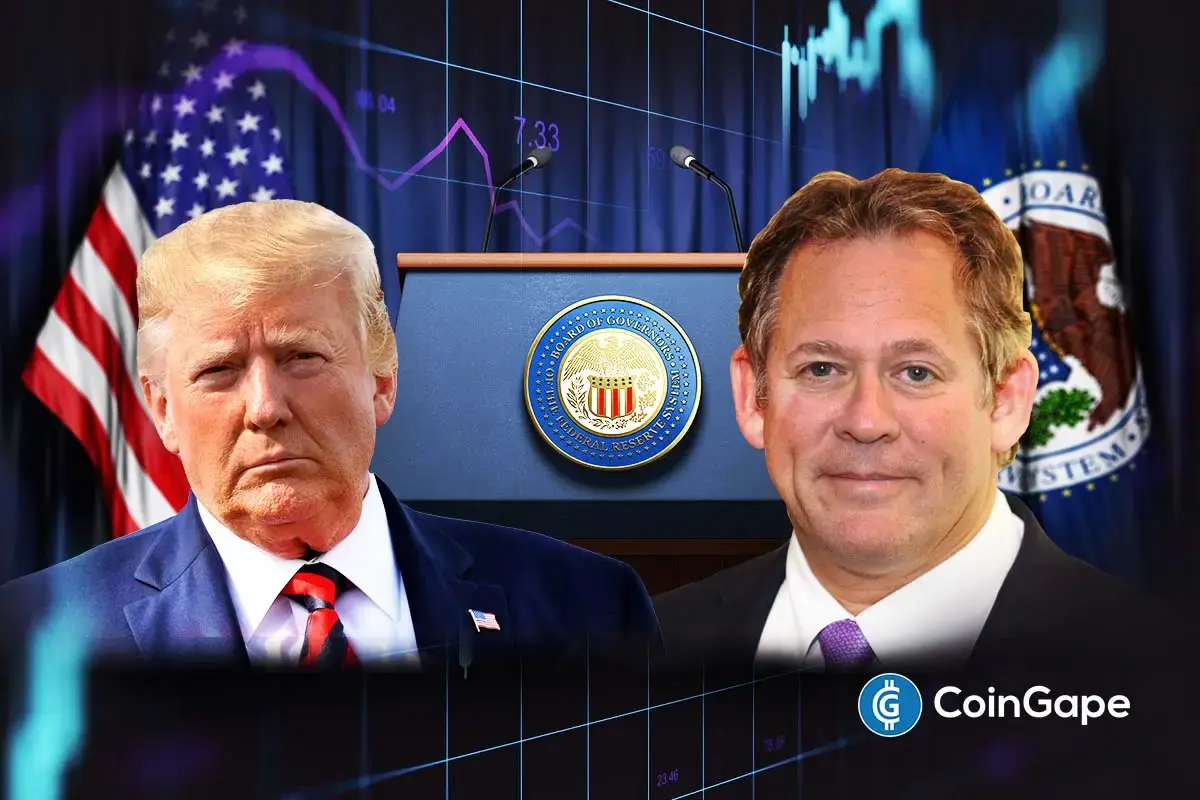
The race for the next Federal Reserve chair is heating up as President Donald Trump prepares to interview Rick Rieder, BlackRock’s Chief Investment Officer of Global Fixed Income. This interview comes on the heels of a recent discussion with Fed Governor Chris Waller, another contender for the position. The narrowing of candidates signifies a shift in the administration’s approach to monetary policy and potential interest rate cuts, crucial for both the economy and financial markets.
Candidates in the Spotlight
As the shortlist for the Fed chair position dwindles, the competition is fierce among a few candidates: Kevin Hassett, Kevin Warsh, Chris Waller, and Rick Rieder. Notably, Fed Governor Michelle Bowman has dropped out of the running. Each of these candidates brings unique perspectives on monetary policy. With an emphasis on lower interest rates becoming a priority for Trump, their positions on rate cuts will play a significant role in determining who ultimately secures the nomination.
Rieder’s Unique Position
Rick Rieder stands out as a remaining nominee who has yet to be interviewed by Trump. His past expressions of support for rate cuts earlier this year could resonate with the president’s desire for more aggressive monetary easing. The context surrounding these potential nominees suggests a larger strategy aiming to influence the Federal Reserve’s approach to interest rates, particularly as they pertain to the U.S. labor market and economic conditions.
Recent Interviews and Market Sentiment
Trump’s recent interview with Chris Waller was reported as "strong," focusing on the labor market—a vital consideration for Fed policies. Both Waller and Hassett have shown openness to rate cuts, aligning with Trump’s intentions for a more accommodative monetary stance. While Warsh is viewed as generally supportive of Trump’s perspectives on interest rates, all eyes are now on Rieder, whose interview could solidify his candidacy and impact market sentiment.
Market Predictions and Crypto Traders
As anticipation mounts, market speculation has surged, particularly among crypto traders on Polymarket—a betting platform where participants forecast political outcomes. Rieder’s chances of becoming the next Fed chair have increased to 6.5%, reflecting traders’ growing interest in his potential nomination. Conversely, Kevin Hassett has reclaimed the lead, now seen as the most favorable candidate with a 56% chance, while Kevin Warsh’s odds have dropped to 21%. These fluctuations illustrate how market dynamics can shift based on perceptions of candidates and their alignment with presidential priorities.
Timing of Announcement and Implications
Trump has indicated that he will announce his nominee for Fed chair in the early part of the upcoming year. However, the current Fed chair, Jerome Powell, will continue until May 2026. This extended timeline provides the administration an opportunity to recalibrate its monetary policy approach ahead of any formal changes at the Fed. The focus on immediate rate cuts—as highlighted by Trump’s statements—indicates a desire for swift action that could have implications for the economy and financial markets alike.
Conclusion
The race for the next Fed chair is poised to influence U.S. monetary policy significantly. With prominent figures like Rieder, Hassett, Waller, and Warsh in contention, the outcome will depend on their viewpoints surrounding interest rates and economic stability. As crypto traders react and speculate on potential nominations, the administration’s choice will not only reflect its economic agenda but also shape market expectations in the years to come. Ultimately, the president’s decision on who will lead the Federal Reserve will have far-reaching consequences for both the economy and the financial markets, setting the stage for a new chapter in U.S. monetary policy.