


India’s Response to Trump Tariffs: Navigating Trade Tensions and Market Dynamics
In a significant move, India unveiled retaliatory measures in response to the tariffs imposed by U.S. President Donald Trump on steel and aluminum imports. This decision follows a period of escalating trade tensions, with India now considering tariffs on several American products. As the U.S. and China engage in evolving trade negotiations, this development raises critical questions about India’s position in the global trade landscape and its potential impact on ongoing U.S.-India relations.
The Impact of Trump’s Tariffs
In March, President Trump introduced a 25% tariff on steel and aluminum imports, aiming to protect American industries. This decision had major repercussions, especially for India, the world’s second-largest crude steel producer. Indian officials estimated that these tariffs would affect approximately $7.6 billion worth of exports to the U.S. As a result, India informed the World Trade Organization (WTO) of its intent to implement counter-tariffs on a range of American goods as a show of resilience against what is seen as an aggressive trade policy.
Trade Talks Stalled
Against the backdrop of tariff negotiations, U.S.-India trade talks appear to have stalled, raising concerns ahead of a planned Bilateral Trade Agreement (BTA) set for July 8. The timing of this agreement is crucial, considering it is scheduled just before the U.S. tariffs are set to take effect on Indian imports. As India deliberates its next steps, the trade talks are at a significant crossroads, underscoring the complexities of balancing domestic economic interests and international trade relations.
America’s China Dominance Questioned
Recently, Trump has taken steps to recalibrate the U.S.-China trade war, declaring a "total reset" following advancements in negotiations between the two nations. This shift could undermine the effectiveness of India’s “China Plus One” strategy, which encourages businesses to diversify supply chains by considering India as an alternative to China. With any shift in U.S.-China relations potentially affecting India’s competitive edge, Indian officials are closely monitoring developments to adapt their economic strategy accordingly.
Markets and Cryptocurrencies React
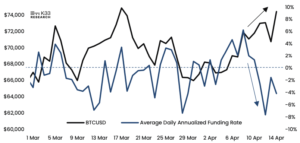
While trade discussions evolve between India and the U.S., the cryptocurrency market has shown notable resilience. Bitcoin has bounced back, peaking at $103,500 after a minor dip. Likewise, Ethereum (ETH) surged by 9%, joining other altcoins like XRP, Solana (SOL), and Dogecoin (DOGE), which also reported substantial gains. This continued momentum in the crypto market emphasizes the contrasting dynamics in the financial landscape, as traditional trade relationships are challenged by innovative digital sectors.
Looking Ahead: The Trade Landscape
As India seeks to solidify its economic partnerships while navigating treacherous trade waters, the outcomes of the U.S.-India talks will be pivotal. The impending tariffs from the U.S. further complicate an already tangled trade relationship, requiring both nations to find common ground. India’s ability to respond effectively to the evolving global trade climate will be critical in maintaining its economic growth trajectory and global competitiveness.
Conclusion
In summary, India’s retaliatory measures against Trump tariffs highlight the escalating tensions in international trade and the strategic maneuvering required to protect national interests. As the U.S.-China trade relationship continues to transform, India finds itself at a pivotal junction, demanding a clear vision to navigate its future. Whether through bolstered bilateral agreements or innovative approaches to globalization, India’s role as a significant player in the global market will be tested in the coming months.