



Title: Understanding the Impact of Tariffs on the U.S. Economy: Market Sentiment and Political Statements
Introduction
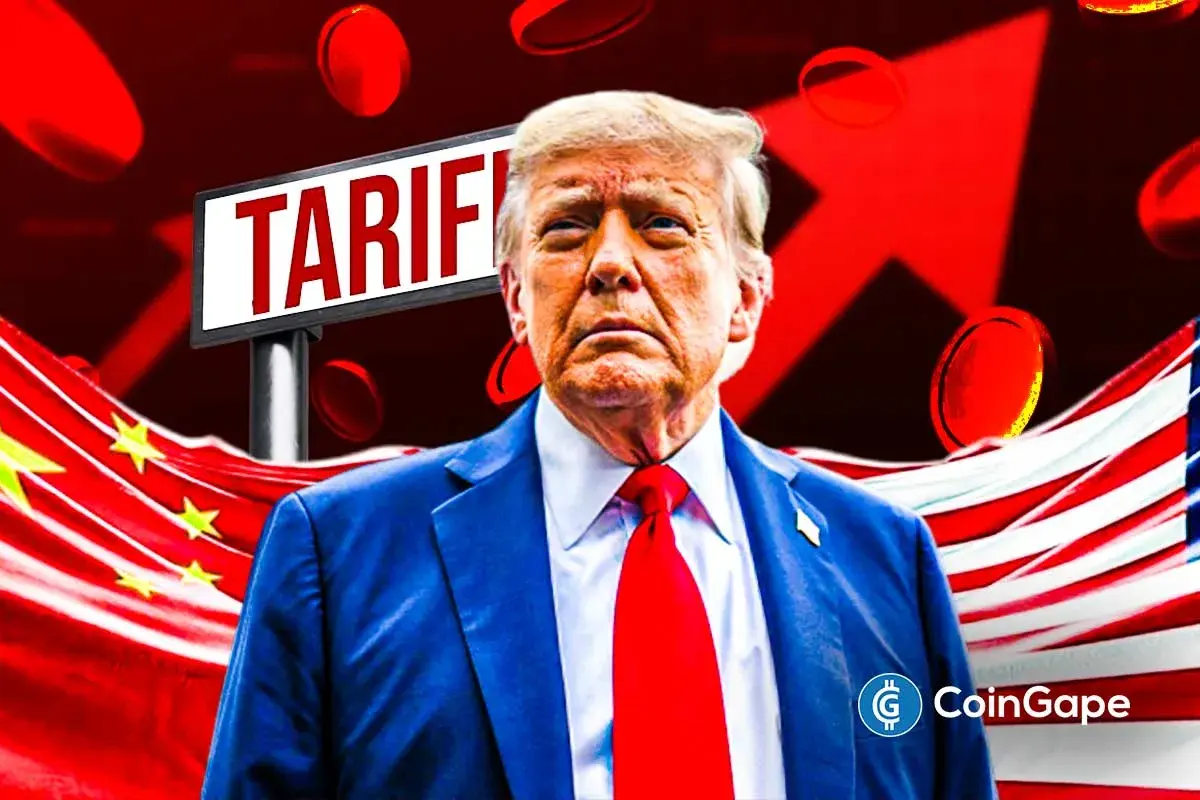
Recently, President Donald Trump renewed his defense of tariffs, asserting that they are fostering "great wealth" for the United States. His confidence in tariffs ties them to strengthened national security and economic growth, despite a contrasting market sentiment that shows a cautious outlook from investors. In an increasingly uncertain economic landscape, understanding these dynamics is crucial for evaluating future trends in both economic policies and market behaviors.
Tariff Defense and Economic Growth
Trump’s assertions on social media emphasized that tariffs are pivotal to reducing the trade deficit and bolstering the nation’s economy without the threat of inflation. He argued that tariffs have reinstated a sense of respect for the United States on the global stage and contributed to improved economic confidence among citizens. This optimistic narrative of the economy’s performance stands in stark contrast to the prevailing market sentiment, which remains skeptical about the implications of such policies.
Market Sentiment and Interest Rates
The financial markets have exhibited caution in response to Trump’s tariff-related claims. Recent data from Polymarket indicates that investors assign only a 14% probability to the Federal Reserve cutting interest rates in the near future, with an 85% likelihood that rates will remain unchanged. This highlights a broader trend of divergence between political statements and market realities, as investors focus on macroeconomic indicators that suggest ongoing uncertainty.
The Disconnect Between Policy and Market Confidence
While Trump’s statements reflect a hopeful outlook for trade and economic output, investors are heavily influenced by inflation risks and an unstable global economy. Historical reactions, such as the surge in cryptocurrency prices following the announcement of a $2,000 tariff dividend for eligible Americans, showcase the complex relationship between political rhetoric and market reactions. Currently, market expectations indicate skepticism about the sustainability of high borrowing costs, revealing deeper concerns over cost stability.
Economic Indicators and Investor Behavior
The contradiction between Trump’s optimistic portrayal of economic recovery and the cautious market sentiment underscores the complexity of the current financial landscape. Traders appear to prioritize easing financial conditions over aggressive tariff policies, interpreting the lowered expectations of rate cuts as an indicator of inflation management rather than robust economic health. This could signal apprehensions about the overall stability and growth potential of the economy.
Conclusion
In summary, President Trump’s defense of tariffs as a mechanism for economic prosperity presents an upbeat vision that diverges greatly from the more cautious sentiment observable in financial markets. With the Federal Reserve’s interest rate decisions playing a pivotal role in shaping economic outlooks, the contrasting messages reveal a complex interplay of political rhetoric and market psychology. As investors navigate these dynamics, the broader implications for the U.S. economy and global trade will continue to unfold, making it imperative to monitor both policy developments and market trends closely.