



USD1 Stablecoin Surpasses $3 Billion Market Cap: A Game Changer for WLFI
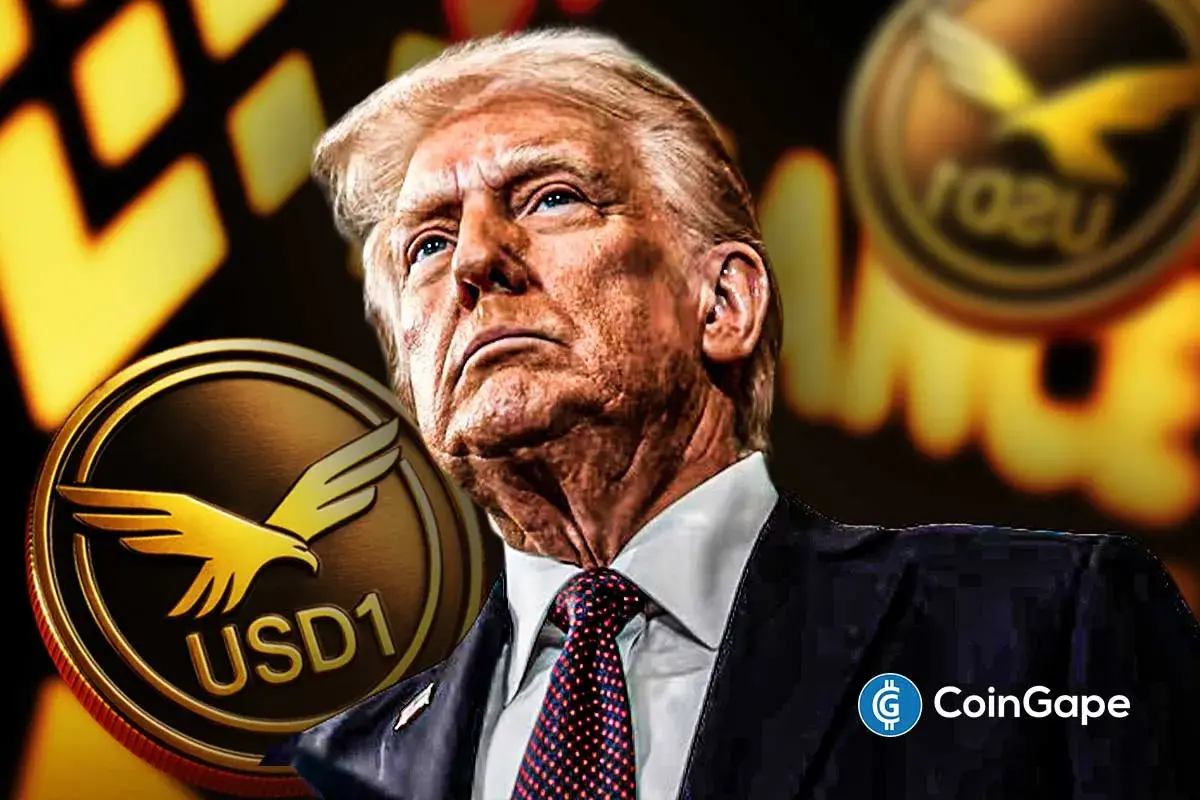
The USD1 stablecoin, issued by World Liberty Financial (WLFI), has recently hit a notable milestone with an impressive increase in its market capitalization, crossing the $3 billion threshold. This comes on the heels of Binance’s launch of a yield promotion program aimed at holders of the Donald Trump-linked stablecoin. The surge in market cap places USD1 as the sixth-largest stablecoin and the 32nd-largest cryptocurrency by market cap, according to CoinMarketCap data.
WLFI has described this achievement as a “big moment” for both the organization and its community. However, they assert that this milestone is just one step in their broader mission: to innovate and enhance the future of financial infrastructures. The team emphasizes their commitment to long-term growth and adaptability in the ever-evolving financial landscape.
Significance of the Market Cap Surge
In the last 24 hours alone, USD1’s market cap increased by over 5%, now estimated at approximately $3.07 billion. WLFI co-founders Zach Witkoff and Zak Folkman have taken to various platforms to express their excitement. Witkoff noted that this milestone marks the beginning of a journey towards real-world adoption and utility for their stablecoin. Folkman echoed this sentiment, emphasizing that while this achievement is significant, it merely reflects the stablecoin’s escalating adoption in areas such as trading, payments, and on-chain liquidity.
This newfound valuation has been largely propelled by Binance’s recent "Booster Program," which offers USD1 holders an attractive annual percentage rate (APR) of up to 20% through their flexible earn products. This strategic partnership between WLFI and Binance enhances the stablecoin’s credibility and potential for widespread use.
The Binance-WLFI Collaboration
The collaboration between Binance and WLFI signifies a pivotal relationship for USD1, particularly with the recent updates to USD1 trading pairs on the Binance exchange. Now including diverse digital assets such as BNB, Ethereum, and Solana, the trading landscape has expanded, fostering investor interest. Notably, Binance has also committed to converting all collateral backing Binance-peg BUSD (B-Token) into USD1 at a 1:1 ratio. This move integrates USD1 within Binance’s updated collateral framework, thereby solidifying its role in the exchange’s ecosystem.
Adding another layer to the intrigue, earlier this year, the Abu Dhabi-based investment group MGX utilized USD1 to finalize a $2 billion investment in Binance. This significant transaction further illustrates the practical utility of USD1 in high-value deals. Coinciding with these developments, there have been rumors surrounding Trump’s pardon of Binance co-founder Changpeng “CZ” Zhao, which fueled speculation about the interplay between political influence and cryptocurrency. Despite these narratives, Binance U.S. has firmly denied any allegations of wrongdoing, asserting that the decision to support USD1 was solely driven by business considerations.
Political Dynamics Surrounding USD1
The political landscape surrounding USD1 and WLFI remains complex and contentious. The connection between Trump’s endorsement and the operations of WLFI has fueled objections to regulatory measures like the GENIUS Act, facing pushback from prominent Democrats, including Senator Elizabeth Warren. The nuanced relationship between cryptocurrency, politics, and regulation adds another layer of complexity to the ongoing discourse surrounding USD1 and its implications in the financial ecosystem.
Future Prospects for USD1 and WLFI
Looking ahead, the WLFI team is optimistic about the potential benefits that the growing adoption of USD1 could bring to its native token, WLFI. As crypto prices decline across the board, the WLFI token has faced challenges, leading team member Dylan to analyze the connection between USD1 adoption and the WLFI token’s market performance. In a social media post, he suggested that once USD1 solidifies its standing in the market, WLFI is bound to experience beneficial effects.
Dylan noted that even if USD1’s current influence on WLFI seems limited, establishing a substantial market presence will undoubtedly enhance the overall ecosystem. As USD1 gains more traction among traders and investors, its utility will extend beyond basic transactions, ultimately benefiting the WLFI token through increased demand and visibility.
Conclusion
The USD1 stablecoin’s ascent to a market cap exceeding $3 billion represents more than just a financial milestone; it marks a pivotal moment for WLFI and its ambitions to reshape the future of finance. The fruitful partnership with Binance serves to bolster USD1’s credibility while promising opportunities for its users. As the stablecoin continues to gain traction, the potential benefits for the WLFI token could translate into long-term growth and resilience. With political dynamics intertwined with financial innovation, the journey of USD1 is one to watch closely as it navigates the complexities of the modern crypto landscape.