



Scott Bessent’s Strong Stance Against Central Bank Digital Currencies (CBDCs)
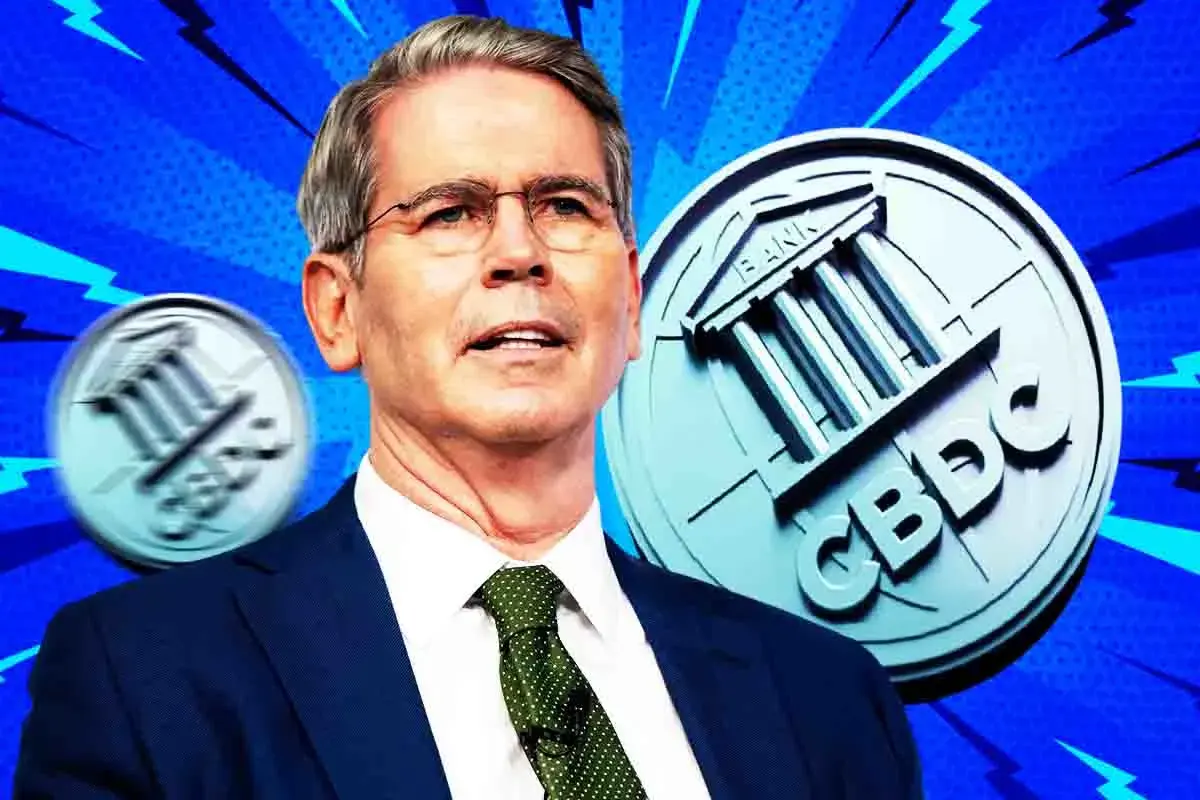
US Treasury Secretary Scott Bessent has reiterated his opposition to the Federal Reserve’s creation of a Central Bank Digital Currency (CBDC), emphasizing that such a move would be a sign of weakness. His remarks during a recent testimony before the House appropriations subcommittee reflect a growing sentiment that digital currencies should remain within the purview of the private sector rather than being established by governmental authorities. This perspective aligns with Bessent’s previous statements, where he pointed out that the introduction of CBDCs is often characteristic of nations lacking suitable investment alternatives.
Warns Against Weakness in the Financial System
During his tenure, Secretary Bessent has consistently expressed concerns about the implications of a federally issued digital currency. He argues that the introduction of a CBDC could undermine the overall strength and innovation of the American financial system. Countries like China have embarked on exploring digital currencies, yet Bessent firmly believes there is no pressing necessity for the United States to follow suit. Instead, he advocates for maintaining the integrity of the existing financial landscape by allowing private sector innovations to flourish without federal interference.
Political Backing Against CBDCs
Bessent is not alone in his views; former President Donald Trump also opposed the establishment of CBDCs. Shortly after taking office, Trump signed an executive order that barred federal agencies from undertaking initiatives to develop a central bank digital currency. This political backing against CBDCs has contributed to a broader conversation around the possible ramifications of a federally issued digital currency on economic dynamics. The resistance from key political figures signals the importance of safeguarding traditional banking and financial systems.
No Current Plans from the Fed
As it stands, Jerome Powell, the current chair of the Federal Reserve, has not expressed any intention to introduce a CBDC. Instead, negotiations and discussions have primarily focused on regulatory frameworks for stablecoins—cryptocurrencies pegged to stable assets like the US dollar. The Federal Reserve’s position highlights the ongoing tension between innovation in digital assets and the need for regulatory oversight. With the increasing use cases for cryptocurrencies, the Fed’s focus appears to prioritize managing existing digital assets rather than creating new government-backed currency systems.
Upcoming Legislation and Its Implications
The anticipation surrounding stablecoin legislation is growing. The US Senate is expected to vote on a stablecoin bill before May 26, which could mark a significant milestone in cryptocurrency regulation within the United States. The House is also reviewing its version of the stablecoin legislation, with discussions taking place at the committee level. Opposition from key representatives, such as Rep. Maxine Waters, underscores the contentious nature of crypto regulations. The outcome of these discussions could set a precedent for how digital currencies are regulated in the future and shape the landscape for both traditional and emerging financial frameworks.
Strategic Bitcoin Reserve Report Still Awaited
In addition to ongoing discussions surrounding CBDCs and stablecoin legislation, the crypto community is eager for the US Treasury to unveil its report on the proposed US Strategic Bitcoin Reserve. This long-awaited comprehensive strategy for managing seized assets highlights the government’s intention to engage with cryptocurrencies in a methodical manner. As more stakeholders seek clarity on how the US plans to navigate the complexities of digital currencies, Bessent’s viewpoint remains pivotal.
In conclusion, Scott Bessent’s strong opposition to CBDCs resonates with a larger debate about the role of government in the financial sector. By advocating for a digital currency landscape that remains largely in the hands of private entities, Bessent underscores the importance of allowing innovation to thrive without undue governmental encumbrance. The evolving regulatory environment surrounding cryptocurrencies and stablecoins will be crucial in shaping the future financial landscape while balancing innovation and consumer protection.