



Navigating the Complexities of Tokenizing Real Assets: A Regulatory Perspective
Tokenizing real estate and treasuries has emerged as an enticing avenue for innovation in the financial sector. However, the prospect of engaging in Real World Asset (RWA) tokenization comes with inherent challenges, particularly concerning regulatory compliance. Recent events, such as the SEC’s legal battles with Ripple and Binance, underscore the importance of adhering to regulatory guidelines. These cases serve as stark reminders that the financial landscape is closely scrutinized, and crossing regulatory boundaries can lead to severe consequences, including lawsuits and operational shutdowns.
The evolving landscape of RWA tokenization necessitates careful consideration of existing securities laws. Regardless of whether an asset is tokenized on a blockchain or not, the fundamental principles outlined in these laws remain applicable. Most tokenized RWAs typically fall under the scope of securities regulations, requiring compliance with important criteria concerning eligibility, reporting, and disclosure. Unfortunately, many projects falter at this hurdle, leading to potential legal ramifications that could jeopardize their viability.
One of the more complex challenges associated with RWA tokenization is navigating cross-border regulatory landscapes. A tokenized asset issued in the United States might attract the interest of investors located in countries like France, each with its regulatory framework. The overlap of these divergent laws can create intricate scenarios where compliance becomes a minefield. If an RWA project lacks a well-structured approach to address these issues, it risks facing limitations on liquidity from a single, resident jurisdiction, thereby posing significant barriers to market participation.
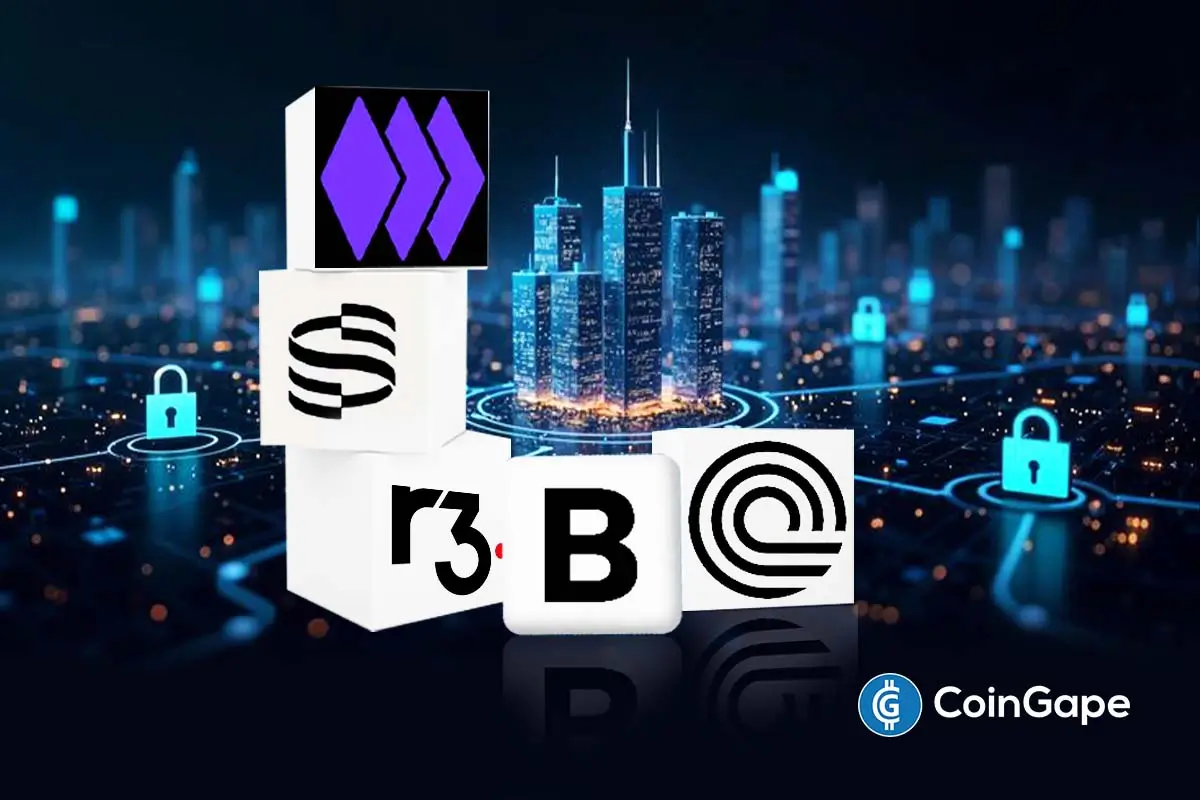
Given the regulatory hurdles and the complexities involved, selecting top-notch RWA tokenization compliance solutions is imperative. Awareness of and adherence to regulatory requirements is crucial for banks and financial institutions aiming to enter this space. Choosing a reliable compliance partner can make the difference between a successful project launch and one that encounters legal issues, frozen funds, or a complete shutdown.
With the evolution of the digital asset landscape, strategic risk management should be a top priority for organizations exploring RWA tokenization. Merely focusing on technological advancements without considering regulatory implications can lead to a precarious situation. Institutions must proactively assess their risk exposure, engage legal counsel, and implement compliance measures tailored to the jurisdictions in which they operate. This proactive approach will not only help in mitigating legal ramifications but will also foster trust among investors and stakeholders.
In conclusion, while tokenizing real assets presents an exciting opportunity to modernize investment approaches, it comes with significant regulatory challenges that must not be overlooked. Understanding and navigating the intricate legal landscape is essential for achieving success in this domain. By prioritizing regulatory compliance and employing strategic risk management practices, organizations can capitalize on the benefits of RWA tokenization while minimizing potential pitfalls. Building a solid foundation grounded in compliance will ultimately shape the future trajectory of their RWA tokenization initiatives.