




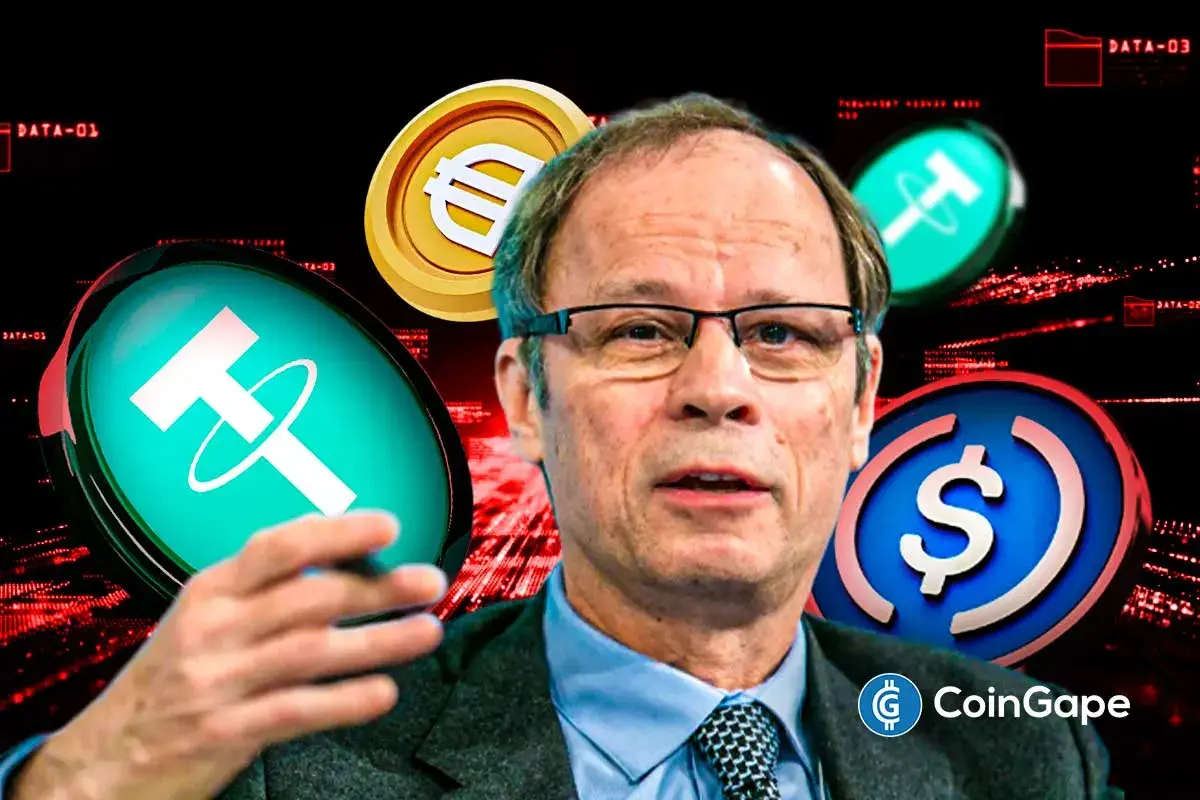
The Growing Risks of Stablecoins: Insights from Economist Jean Tirole
Stablecoins are rapidly becoming a focal point in the global financial landscape, drawing praise for their pegged stability to traditional assets. However, renowned economist and Nobel laureate, Jean Tirole, has raised significant concerns about the inherent risks associated with these digital currencies. In a recent interview with the Financial Times, he highlighted the pressing issues surrounding the supervision of stablecoins and the potential fallout that could ensue from inadequate regulatory frameworks.
The Illusion of Stability
Tirole’s skepticism lies in the assumption that stablecoins are a safer alternative to conventional cryptocurrencies. While the appeal of stablecoins stems from their relationship with traditional assets, he warns that the absence of rigorous supervision poses a significant threat. According to Tirole, if international regulatory oversight does not keep pace with the rapid adoption of stablecoins, a fall in investor confidence could trigger a crisis, resulting in mass withdrawals and depegging. Such an event could lead to substantial losses for investors, undermining the very stability that stablecoins promise.
Supervision: A Crucial Factor
One of the core issues Tirole points out is the lack of robust regulatory oversight in the stablecoin market. He argues that this void could catalyze a financial crisis similar to those seen in traditional banking systems. The potential for government intervention becomes more pressing if stablecoins are widely held by ordinary consumers and institutional investors who perceive them as secure assets. The risk is that significant losses could compel the government to execute multibillion-dollar bailouts to protect depositors, leading to a strain on public resources and economic stability.
The Challenges of Low-Yield U.S. Government Bonds
Compounding the risks associated with stablecoins, Tirole specifically critiques those linked to U.S. government bonds, arguing that their declining attractiveness can pose challenges for stablecoins that peg their value to these underlying assets. With recent trends indicating low or even negative yields, investors may find stablecoins linked to government bonds less appealing. This could exacerbate issues surrounding depegging, especially during periods of economic uncertainty when investor confidence is paramount.
Regulatory Conflicts of Interest
Tirole doesn’t just question whether regulators have the resources to adequately oversee stablecoins; he also raises concerns about potential conflicts of interest within regulatory bodies. He points to individuals within the U.S. administration who may have stakes in the cryptocurrency sector, thereby compromising impartial regulatory guidance. Such conflicts could prevent the necessary actions to protect investors and maintain market integrity, further endangering the stability of stablecoins in a rapidly evolving financial ecosystem.
Exponential Growth and Its Implications
The stablecoin market is currently enjoying unprecedented growth, valued at approximately $280 billion, with projections suggesting it could soar to between $500 billion and $3.7 trillion by 2030. The U.S. Treasury has recently estimated a market cap reaching $2 trillion by 2028, buoyed by new regulatory initiatives like the GENIUS Act and the Stablecoin Ordinance in Hong Kong. While the expansion of the stablecoin market presents numerous investment opportunities, it simultaneously magnifies Tirole’s concerns regarding the lagging oversight and potential for systemic risk.
The Path Forward
Given the rising significance of stablecoins in the global economy, the focus should be on creating a solid regulatory environment that can enhance transparency and protect investors. Tirole’s insights underscore the necessity for proactive measures to address the risks associated with stablecoins, advocating for a framework that balances innovation with accountability. As the cryptocurrency market continues to evolve, stakeholders must embrace dialogue to ensure that stablecoins fulfill their promise of providing stability in an increasingly digital financial landscape.
In conclusion, while stablecoins are hailed for their innovative nature, it is imperative to recognize and address the associated risks through regulation and oversight. The future of this burgeoning market hinges on the collective actions taken today, paving the way for a more secure and sustainable financial environment.