




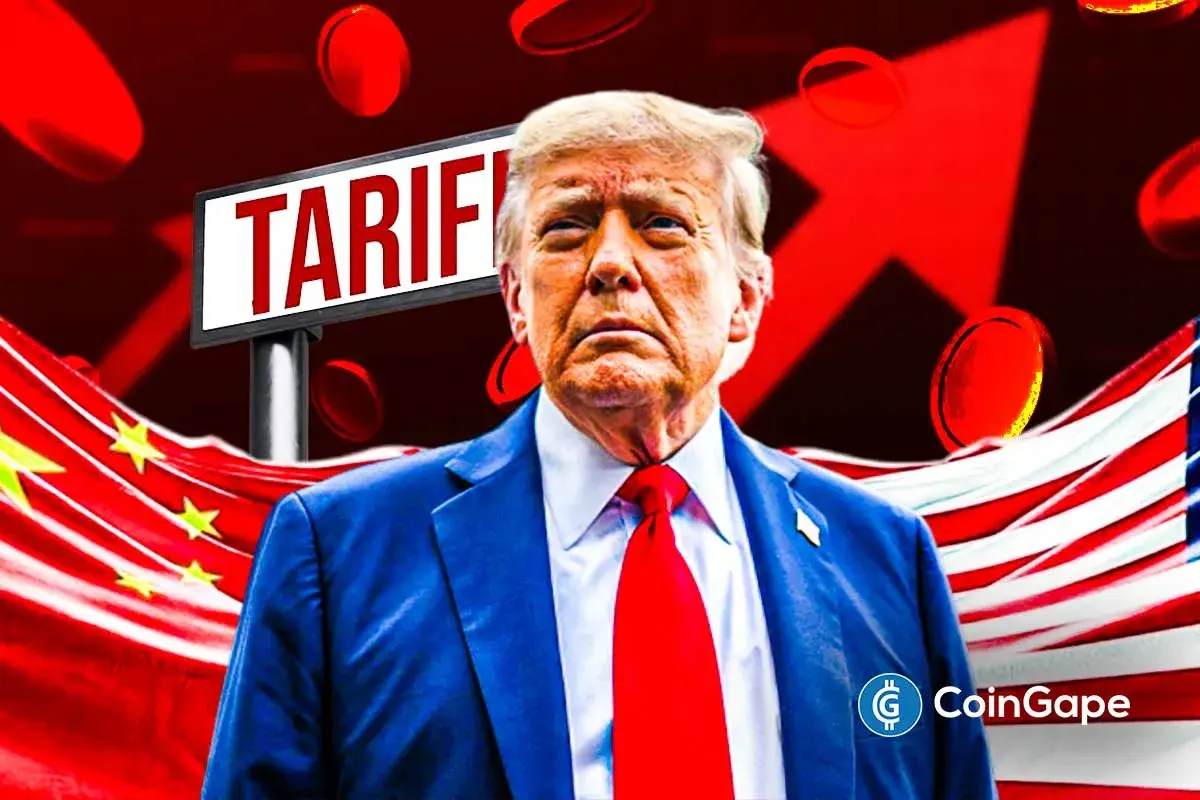
The High-Stakes Supreme Court Hearing on Trump’s Tariffs
On January 20, 2022, the U.S. Supreme Court is expected to announce a critical opinion regarding former President Donald Trump’s authority to impose tariffs on imports and exports. This long-anticipated decision could drastically impact U.S. trade policy and executive power. Businesses, markets, and government agencies are keenly awaiting this ruling, as it holds the potential to alter trade dynamics domestically and internationally.
Understanding the Legal Challenge to Trump’s Tariffs
The foundational legal challenge to Trump’s tariffs stems from the assertion that he lacked the authority to impose them under the 1977 National Emergency Act. His opponents have argued that the tariffs—some reaching as high as 50%—on goods from nations like China, Canada, and Mexico are not justifiable under emergency powers related to national security and issues like fentanyl trafficking. This legal backdrop lays the groundwork for understanding the implications of the Supreme Court’s forthcoming decision.
Global Trade Dynamics in Flux
The Supreme Court’s ruling may not only influence U.S. trade policy but also reverberate globally. The court typically releases opinions only during its session, meaning the anticipation surrounding this decision is intensified due to its timing. Should the court side against Trump, it could curtail significant aspects of his trade agenda, marking a notable judicial loss since he returned to office. Analysts warn that such a decision could mean billions in losses for importers who are expecting substantial refunds—potentially exceeding $130 billion—stemming from tariffs established under Trump’s administration.
Uncertainty Surrounding the Court’s Decision
While the Supreme Court has the power to release opinions, uncertainty looms over which cases will be addressed this session. Correspondingly, markets are bracing for potential volatility with this announcement. Despite the expected timeframe, there remains a chance that the court could postpone its decision until late February. The unpredictability of the ruling adds another layer of complexity to an already fraught trading environment.
The Global Reaction to Tariff Authority
Foreign governments are closely monitoring this case, concerned with the broader implications of Trump’s tariff policies. Many U.S. allies argue that these tariffs disrupted traditional trade relationships and raised costs for consumers. The potential for expanded executive authority in tariff imposition creates anxiety about future trade stability. Administration officials contend that these tariffs serve a strategic purpose, allowing the president to act decisively during emergencies, thereby justifying the broad discretion granted under the law.
Future Ramifications for Trade Policy
A ruling favoring Trump could embolden future presidents to leverage similar expansive powers regarding trade. Such a decision would facilitate the imposition of tariffs, reshaping how international trade agreements might be enforced. Conversely, a ruling against him might set a significant precedent limiting executive powers, thereby reinforcing the importance of legislative checks on trade policies. The ramifications of this Supreme Court decision are wide-ranging and could redefine the framework of U.S. trade for years to come.
In summary, the Supreme Court’s impending decision on Trump’s tariffs is pivotal, with the potential to redefine not only domestic trade policy but also international relations. As the court convenes, stakeholders across various sectors remain on high alert, aware that this ruling could mark a turning point in the future of U.S. trade authority and global trade dynamics.