


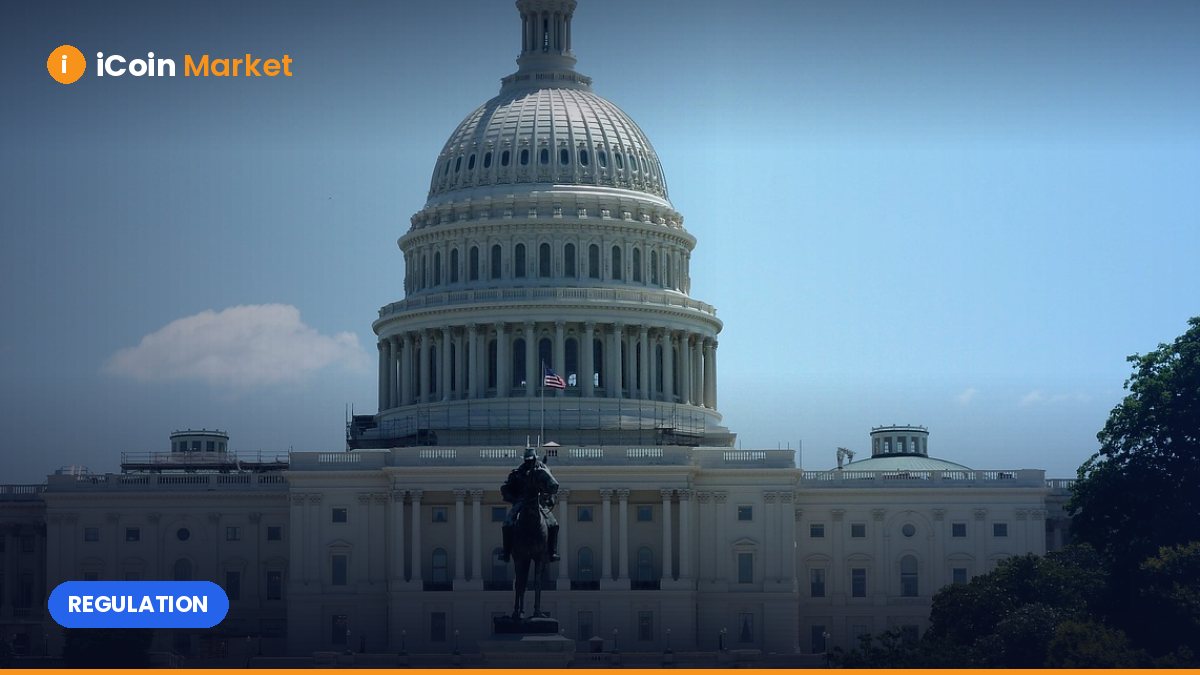
The GENIUS Act: A New Era for Stablecoin Regulation in the U.S.
The recent preparations for a vote on the Stablecoin Bill, known as the GENIUS Act, signify a pivotal moment in the landscape of digital asset regulation in the United States. Scheduled by Senate Majority Leader John Thune for Monday, this ‘cloture vote’ represents the culmination of extensive debate and deliberation. With the urgency growing among lawmakers, this legislation is set to define how stablecoins will be regulated in America, steering the country toward clearer rules and guidelines for one of the most revolutionary aspects of modern finance.
Understanding the GENIUS Act
At its core, the GENIUS Act is designed to provide a regulatory framework for stablecoins—digital tokens pegged to traditional currencies like the U.S. dollar. Introduced by Senator Bill Hagerty, this bill aims to ensure strict compliance from stablecoin issuers regarding licensing, asset backing, and transparency. Large issuers, those with assets exceeding $10 billion, will fall under the supervision of the Federal Reserve, while smaller companies will be regulated by state authorities. Furthermore, the bill mandates that all stablecoins must be backed by reliable assets such as U.S. dollars or Treasury bills, ensuring a solid foundation for these digital currencies.
Bipartisan Support and Amendments
The GENIUS Act is not just another piece of legislation. It has sparked considerable bipartisan interest, evidenced by recent discussions surrounding amendments to enhance consumer protections. Reports indicate that these proposed amendments could impose stricter regulations on technology companies engaged in financial assets, as well as reinforce oversight of influential figures in the tech space, including high-profile personalities like Elon Musk. Key to this legislative evolution is the need to prevent misuse of FDIC insurance and bolster bankruptcy protections, creating a more secure environment for consumers and investors alike.
The House’s STABLE Act
As the Senate readies itself for the GENIUS Act vote, the House has already made moves to enact stability within the crypto market through the STABLE Act. This legislation seeks to establish clear rules governing all U.S. dollar-backed stablecoins, with prominent tokens like Tether (USDT) and USD Coin (USDC) in focus. Proponents of the STABLE Act emphasize that it will provide essential consumer protections and position the United States as a leader in financial technology. Congressman Dan Meuser and other supporters contend that it creates a necessary framework as digital currencies continue to permeate daily financial activities.
Accelerating Crypto Oversight
Both the GENIUS and STABLE Acts highlight a concerted effort by Congress to ramp up oversight of the cryptocurrency sphere. As digital assets gain traction, lawmakers recognize the impending need for regulations that address inherent risks while fostering financial innovation. The moves to introduce these stablecoin bills illustrate a proactive approach towards shaping a digital economy that balances opportunity with accountability.
The Future of Stablecoins and Digital Assets
As the countdown to the GENIUS Act’s vote nears, the implications for the stablecoin industry and broader financial ecosystem remain profound. Should the Senate approve the legislation, it could pave the way for a more structured and secure environment for stablecoin operations. This would not only foster consumer confidence but could also strengthen the U.S. dollar’s position in global markets. The regulatory landscape created by the GENIUS Act and the STABLE Act promises to address complex issues surrounding transparency and consumer protection, making the digital currency realm safer for all participants.
Concluding Thoughts
In summary, the impending vote on the GENIUS Act marks a critical turning point in the regulation of stablecoins and digital assets in the U.S. With bipartisan support and significant consumer-focused amendments in consideration, this legislation could redefine the intersection of technology and finance. Lawmakers’ efforts to provide a clear framework will be essential for the future of financial innovation and will play a key role in ensuring that these emerging technologies serve both the economy and the public. As such, the fate of the GENIUS Act could well dictate the pace and nature of cryptocurrency growth in the years to come.