



Escalation of the US-Iran Conflict: Impacts on the Gulf Region and Crypto Markets
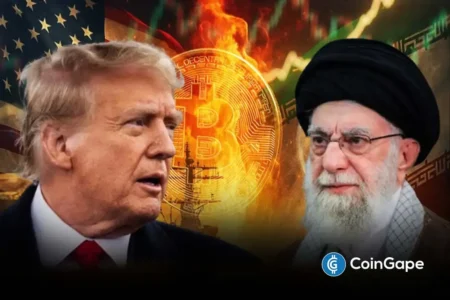
The US-Iran war has intensified following a series of military strikes between the United States, Israel, and Iran, leading to widespread retaliatory attacks throughout the Gulf. Explosions rocked major Iranian cities like Tehran, and Iran has responded with missile and drone strikes targeting Israel and US-linked military bases in the region. This article delves into the escalating conflict’s implications for Gulf states and the financial ripples felt across crypto markets.
Overview of the Conflict
Recent reports highlight that the hostilities between the US and Iran have expanded significantly, drawing in several Gulf states. Al Jazeera indicates that a suspected Iranian drone hit a high-rise in Bahrain, part of a pattern of strikes on US military assets throughout the region. While authorities are still clarifying the intentions behind these attacks, the situation remains tense, considerably affecting national security strategies across nations like Kuwait, Bahrain, and Saudi Arabia.
Casualties and Damage Reports
The ongoing violence has already resulted in casualties, including a Pakistani national who died in the UAE due to debris from intercepted missiles. In Dubai, explosions linked to air defense systems were heard, prompting evacuations from major landmarks such as the Burj Khalifa. Additionally, debris caused fires at the Fairmont The Palm hotel, showcasing the immediate physical effects of the conflict. Bahrain has confirmed direct missile threats towards the US Navy’s Fifth Fleet, while Kuwait’s air defenses have successfully intercepted incoming projectiles aimed at vital installations.
Iran’s Military Strategy
Iran’s retaliation has involved targeting US military locations across multiple fronts, including Iraq, Jordan, and Saudi Arabia. The Islamic Revolutionary Guard Corps (IRGC) has asserted its right to strike US assets, declaring them legitimate targets within the context of the conflict. With recent missile attacks reported in northern Israel, including a claim of striking a US Navy vessel in Qatar, the IRGC has further escalated hostilities by shutting off the strategic Strait of Hormuz—a crucial corridor for global oil transport. This blockade could have considerable implications for the oil market, given that it carries roughly 20 million barrels daily.
Crypto Market’s Volatile Reaction
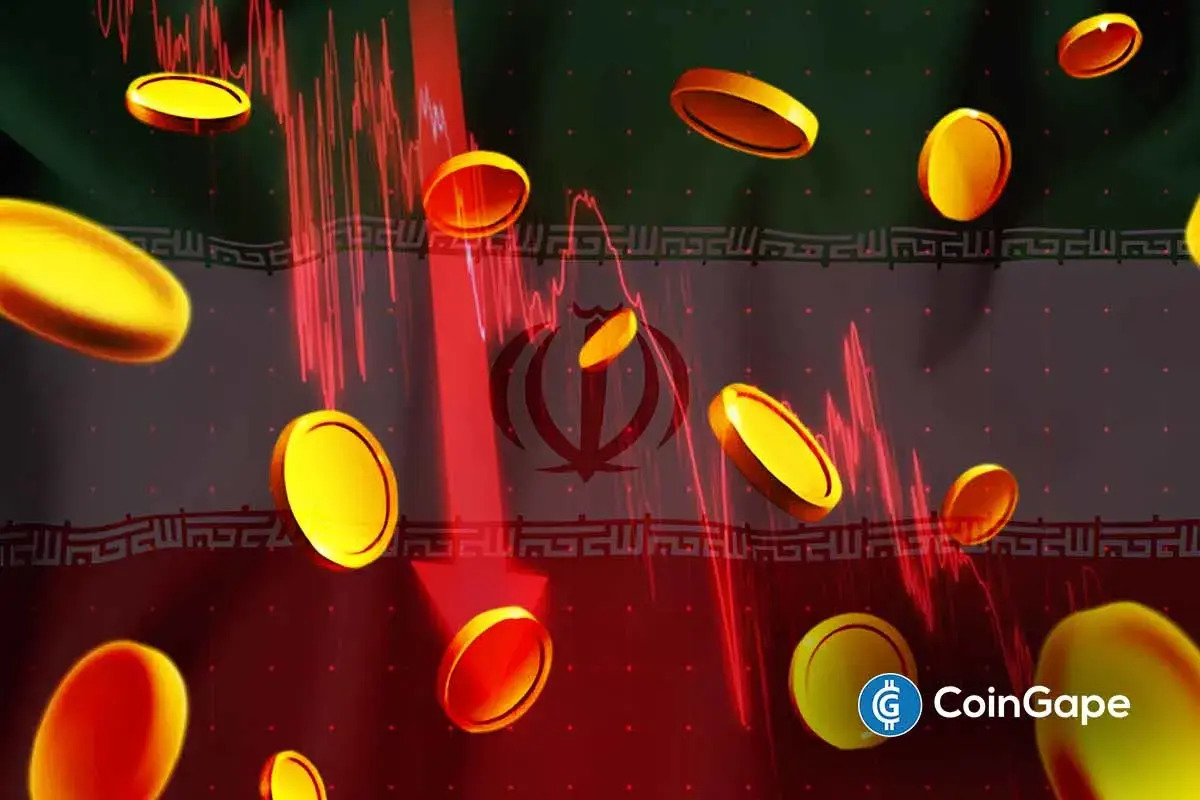
In light of the escalating US-Iran conflict, analysts suggest this could be the largest geopolitical crisis since World War II—impacting financial markets significantly. Crypto Patel notes that Bitcoin has emerged as a primary asset during this crisis, with traders reacting before traditional markets resumed after the weekend. The volatility has been pronounced; Bitcoin’s price fell from $65,500 to $63,000 before rebounding to around $65,670. Ethereum also faced fluctuations, trading near $1,927.59, after recovering from a dip around $1,800.
Implications for Traders and Investors
With heightened conflict and subsequent volatility in the crypto market, traders are urged to remain vigilant. Key price levels to watch include $60,000 for Bitcoin and $1,750 for Ethereum, as falling below these thresholds could result in massive liquidations within the market. Analysts have reported that approximately $464 million in liquidations occurred within 24 hours as investors recalibrated their portfolios in response to the unfolding crisis. Notably, around $100 billion briefly exited the total crypto market capitalization as uncertainty loomed.
Conclusion: Navigating Uncertainty
As the US-Iran war escalates, the ongoing situation is a potent reminder of the interconnectedness of military conflict and financial markets. The ripple effects of geopolitical tensions can lead to swift market movements, particularly in crypto, where traders are quick to react. While the Gulf region braces itself for potential further conflict, investors and analysts must closely monitor the evolving dynamics and their impact on digital currencies and broader financial markets. This underscores the importance of being prepared for volatility and having risk management strategies in place amid such geopolitical challenges.
As events continue to unfold, keeping an eye on developments in both the conflict and crypto markets will be vital for understanding the broader implications for global stability and financial health.