



The New York Times’ Accusations Against Trump and Crypto Connections
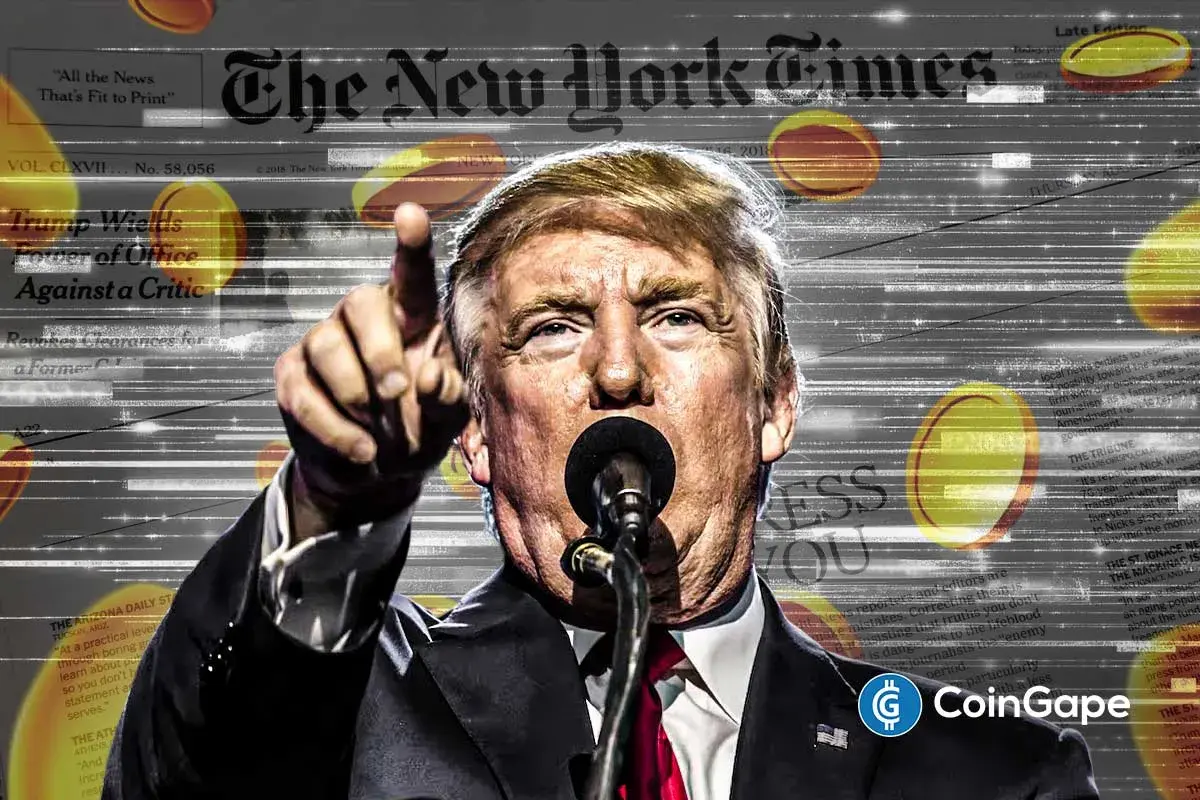
In a recent investigative report, The New York Times has spotlighted President Trump and his family’s potentially questionable financial ties to various cryptocurrency cases, raising eyebrows about ethics and governance during his administration. The article suggests that many cryptocurrency enforcement actions were dropped or scaled back once Trump began his second term. Moreover, these reversals appear to coincide with political donations and business relationships involving companies linked to Trump and his family, stirring a debate over the enigmatic intersection of politics and the burgeoning world of cryptocurrency.
Investigative Findings on Crypto Case Reversals
The Times’ investigation asserts that a significant number of cryptocurrency enforcement actions, some involving major players in the market, were remarkably "let up" upon Trump’s return to the Oval Office. Among the striking examples is the Winklevoss twins’ cryptocurrency venture. Following the change in administration, regulators reportedly attempted to pause ongoing lawsuits tied to this firm. Another influential case is the Securities and Exchange Commission’s (SEC) abrupt decision to abandon its case against Binance, one of the largest cryptocurrency exchanges globally. Such instances prompted questions regarding possible political motives behind these regulatory decisions, especially given the financial stakes involved.
The Ripple Case and Other Dismissals
In another notable instance, the SEC sought to reduce a court-ordered penalty against Ripple Labs after years of litigation, a move labeled as peculiar by observers aware of the agency’s traditionally stringent approach to enforcement. The report highlights that the SEC’s retreat from numerous crypto cases—exceeding 60% at one point—is unprecedented historically, given that the agency typically maintains its stance in high-stakes litigation. When observed against the backdrop of other industries, it becomes evident that crypto-related dismissals under Trump’s administration occurred at a notably higher rate. Meanwhile, the SEC continued to file enforcement actions in non-crypto sectors, suggesting a targeted shift in regulatory attention that raised concerns among analysts and industry insiders.
The Dismissal of Bitcoin-Related Cases
The report emphasizes an alarming discovery: the SEC ceased pursuing any crypto cases revolving around firms connected to Trump and his family. Every existing case was either paused or rolled back during this period, further intensifying allegations of conflict of interest and favoritism. Critics of Trump’s administration argue that this trend represents a disturbing departure from regulatory norms meant to ensure fairness and accountability in the financial sector. Given the high-stakes nature of cryptocurrency, which has drawn considerable attention from investors and regulators alike, allegations of malfeasance could undermine public trust in the very systems that oversee financial markets.
Official Denials and the Administration’s Standpoint
In response to these allegations, White House Press Secretary Karoline Leavitt rebuffed any notions of a conflict of interest, asserting that the administration was merely endeavoring to realize Trump’s promise of making the United States a leader in the cryptocurrency sphere. "We are driving innovation and economic opportunity for all Americans," she claimed. While the administration maintains that these decisions were motivated solely by the goal of fostering economic growth and innovation, critics remain skeptical. They argue that policy and regulatory approaches should be devoid of personal interests and affiliations to maintain public confidence in government integrity.
Analyzing Comparisons with Biden’s Administration
Interestingly, the SEC’s efforts during President Biden’s administration contrast sharply with those observed under Trump. The report highlights that during Biden’s administration, not a single crypto case inherited from the Trump era was voluntarily dismissed. Conversely, under Trump, the SEC dismissed approximately one-third of the crypto cases inherited from Biden’s predecessors, with an even greater percentage involving defendants with ties to the Trump family. This discrepancy raise questions not just about policy but about ethical standards in regulatory practices, offering fertile ground for discussion about the broader implications of such decisions.
Conclusion: A Quest for Accountability and Transparency
As concerns surrounding President Trump’s financial dealings with cryptocurrency companies gain momentum, the need for accountability and transparency in government dealings becomes increasingly apparent. The New York Times’ revelations shed light on important issues surrounding regulatory practices and political favoritism that may benefit private interests over public trust. In an era where cryptocurrency technology promises innovation and growth, understanding the intersection of politics and financial regulation is critical. As the industry continues to evolve, ensuring that regulatory bodies operate independently and impartially will be essential for safeguarding the interests of investors and maintaining the integrity of the financial markets. The dialogue surrounding these accusations offers a crucial opportunity for stakeholders to advocate for more rigorous oversight and ethical governance across all sectors, particularly those that stand to significantly impact the economy and society at large.