




Polymarket Shuts Down Controversial Nuclear Weapon Prediction Market
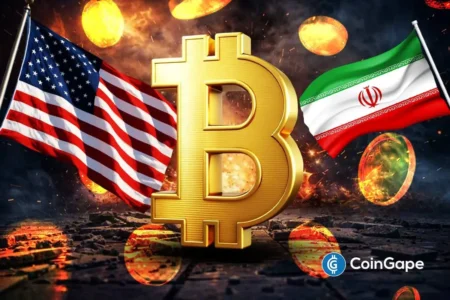
In a significant decision reflecting mounting public sentiment, Polymarket has taken down its controversial prediction market, which allowed users to bet on the potential detonation of a nuclear weapon. This move comes amidst growing tensions between the US and Iran and increasing public scrutiny regarding the ethics of such speculative trading markets. While some traders had reportedly capitalized on this high-stakes betting opportunity to earn substantial profits, critics argue that the platform unjustly exploits sensitive geopolitical risks.
Understanding Polymarket’s Prediction Market
Polymarket, a decentralized platform for prediction markets, enabled users to wager on various future events, including the grim possibility of nuclear weapon detonation. The now-deactivated market featured a question about the likelihood of a nuclear weapon being used before the end of the year, showing a 22% probability before its removal. With a trading volume exceeding $838,000, the market had gained notable traction, featuring multiple contracts with different cut-off dates ranging from March 31 to June 30, and even extending to 2027. This level of engagement underscored not just the public interest but also the ethical dilemmas surrounding such betting.
Rising Criticism and Ethical Concerns
The market faced intense backlash almost immediately after its inception, with critics labeling it as profoundly inappropriate. Statements from various voices within the community and the media illuminated the ethical concerns attached to wagering on catastrophic events. Notably, prediction market analyst Dustin Gouker emphasized the untenable nature of betting on issues as grave as nuclear conflict, arguing that any marginal utility gained from estimating the probability of such an event is outweighed by the moral implications of allowing speculation on human suffering and catastrophe. Critics highlighted that these platforms risk trivializing upheaval and human life for profit.
The Fallout from Speculative Trading
As the criticism intensified, the fallout expanded to encompass broader debates about the implications of prediction markets. Not only are people concerned about the ethical dimensions, but there are also significant security risks. The pricing in these markets could unintentionally reflect insider knowledge, thereby affecting national security. Anonymity and lack of regulation in these marketplaces may permit users with special access to exploit sensitive information, raising alarms about the market’s potential real-world impact. This has led to calls for tighter regulations regarding prediction markets, echoing sentiments reflected in a Bloomberg opinion piece that condemns the practice of betting on events of war and destruction.
Wider Implications for Prediction Markets
Polymarket’s decision to shut down the nuclear prediction market resonates within the larger context of the ongoing debate concerning prediction markets like Kalshi. Critics argue that allowing bets on severe, life-altering events not only furthers ethical issues but could also pose national security threats based on the potential for insider trading. Recent initiatives, such as a coalition group focused on pushing for stricter oversight of prediction markets, exemplify the rising tide of public and institutional pushback against such platforms. This backlash may influence the operational frameworks of other prediction markets, thereby shaping the future of speculative trading.
The Future of Speculative Trading
While Polymarket’s intervention has momentarily alleviated concerns regarding the nuclear prediction market, the issue remains far from settled. The existence of platforms that permit gambling on disastrous events opens doors to a myriad of ethical questions. What boundaries ought to constrain markets that engage with humanitarian issues? As stakeholder awareness grows, the question becomes not just how these markets operate, but whether they should exist at all. Future regulatory measures could redefine the scope of prediction markets, prioritizing ethical considerations over monetary gain.
In conclusion, Polymarket’s dismantling of its nuclear detonation prediction market illustrates the important intersection of legality, ethics, and technological innovation. As public sentiment increasingly gears toward responsible oversight, both market participants and developers will need to navigate the murky waters of morality and legality in speculative trading. The future of prediction markets hangs in the balance, with the ethical implications of their existence likely paving the way for reform that prioritizes human dignity and societal welfare over profit.