



Understanding Decentralized Exchange Liquidity Models: A Comprehensive Guide
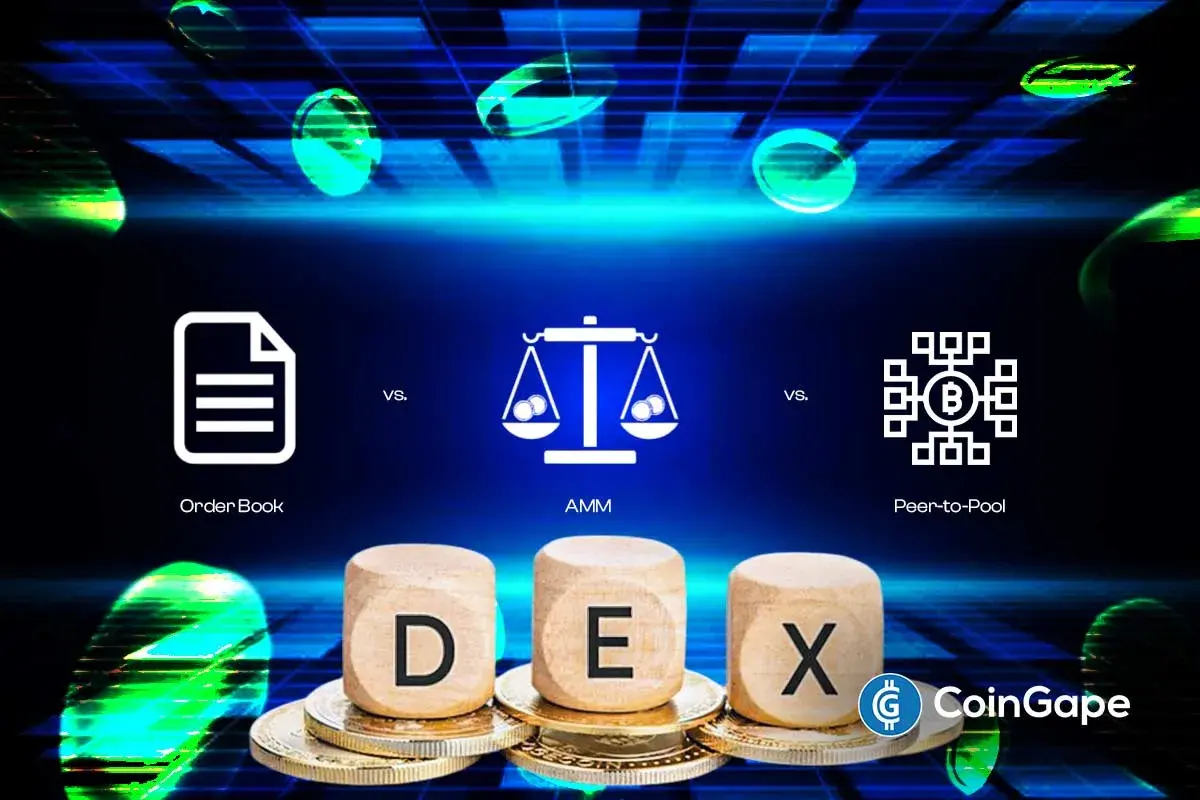
As cryptocurrency investors increasingly favor non-custodial trading platforms, decentralized exchanges (DEXs) continue to evolve in managing trades and enhancing essential factors such as security, user experience, and cost efficiency. The effectiveness of a DEX largely stems from the liquidity model it employs, making it crucial to comprehend how these models facilitate trade execution. This article delves into three prominent liquidity models—Order Book, Automated Market Maker (AMM), and Peer-to-Pool—while providing insights on how these structures impact trading efficiency and user experience.
The Importance of Liquidity Models in Decentralized Exchanges
Liquidity models play a vital role in determining an exchange’s operational efficiency, cost-effectiveness, and overall user experience. Each model is designed to create a liquidity layer that allows traders to execute swaps freely and efficiently. The most frequently used models include the Order Book, AMM, and the emerging Peer-to-Pool model. Although AMMs currently dominate the DEX landscape with their popularity, new models are gaining traction, offering unique advantages. This guide aims to simplify these concepts, enabling traders to make informed decisions based on their trading strategies and preferences.
Exploring the Order Book Model
The Order Book model closely resembles traditional centralized exchanges. Users specify their trade requests—indicating the amount and desired price—while a central order book holds these trade requests. The system matches trades based on a price and time priority, executing transactions automatically when conditions align. DEXs such as Serum, WOOFI, and JUMP utilize this model. Although it brings a level of familiarity for traders accustomed to centralized systems, its efficiency is heavily dependent on the volume and liquidity of pending orders.
The Rise of Automated Market Makers (AMMs)
AMMs have established themselves as a cornerstone of decentralized trading, with platforms like Uniswap and Curve leading the way. Under this model, liquidity pools powered by smart contracts facilitate trades, allowing liquidity providers to contribute assets to the pool and earn fees. When a user places a trade, the AMM utilizes the pool’s assets to complete the swap, adjusting asset values based on supply and demand. While the AMM model encourages liquidity provision, it also exposes participants to risks such as impermanent loss and potential technical exploits, highlighting the importance of understanding its mechanics for traders looking to participate.
Introduction to the Peer-to-Pool Model
The Peer-to-Pool model, also referred to as the intent-based model, offers a more gamified trading experience. In this framework, traders articulate their intent to exchange specific assets at desired prices. Solvers—third parties that compete to fulfill these intents—analyze various liquidity sources, including DEXs and centralized exchanges, to execute trades efficiently. This model’s innovative approach significantly improves cost efficiency and speed while providing competitive pricing. The Peer-to-Pool model stands out for its low risks of front-running and miner-exploitable volatility (MEV), as it allows for protective methods like Dutch auctions and private order books.
Comparing Liquidity Models: A Visual Summary
To further clarify the distinctions among these liquidity models, the following table summarizes critical parameters:
| Parameter | AMM Model | Order Book Model | Peer-to-Pool Model |
|---|---|---|---|
| Mode of Operation | Executes trades via liquidity pools | Centralized order book for trade matching | Solvers execute trades based on user intents |
| Blockchain Interaction | Fully on-chain | Off-chain order book, on-chain settlement | Off-chain intents, on-chain execution |
| Gas Costs | Typically high | Relatively lower | Generally low |
| Execution Speed | Blockchain speed | Dependent on trade matching | Fast due to competing solvers |
| Capital Efficiency | Improved in AMM V3 | High | Very high |
| Source of Liquidity | Liquidity providers | On-chain market makers | Solvers |
| Ideal Users | Retail traders | Professional traders | High-volume traders |
| Examples | Uniswap, Balancer | dYdX, Hyperliquid | 1inch Fusion, OKX DEX |
| MEV Risks | Very high | High | Very low |
Factors to Consider When Choosing a DEX Liquidity Model
When selecting a DEX, several aspects should guide your decision-making:
-
Personal Trading Strategy: If you usually trade smaller volumes, AMMs may suffice. For professional traders executing large swaps, Order Book models are preferred due to better liquidity and lower slippage.
-
Cost Efficiency: Analyze gas costs associated with each model. AMMs often incur higher fees due to their structure, while Peer-to-Pool models offer more efficient transaction costs.
-
Liquidity Accessibility: Assess each model’s liquidity potential. AMMs can suffer from limited resources, while Order Book and Peer-to-Pool models frequently provide better liquidity for substantial trades.
-
Security and Privacy: The security profile varies between models, with Peer-to-Pool emphasizing user privacy. AMMs, while more visible, still execute transactions quickly under public scrutiny.
- Blockchain Network: Different networks facilitate varying liquidity models. Understanding the network’s strengths can help traders make informed choices based on their preferred models.
Conclusion: Choosing the Right Liquidity Model for Your Trading Needs
DeFi enthusiasts have widely embraced AMMs, but the Order Book and Peer-to-Pool models present unique advantages that can enhance your trading experience. Understanding how each model operates can empower traders to align their strategies with appropriate exchanges. As a trader, consider factors such as liquidity, security, and cost-efficiency when selecting a DEX. Ultimately, the right choice will depend on your individual trading preferences and the specific requirements of your strategy.
Additional Resources:
- What Are Liquidity Pools?
- Decentralized Exchange (DEX) Explained
- Comparison of Centralized vs. Decentralized Crypto Trading
Disclaimer: This article provides a comparison of DEX liquidity models for educational purposes and does not constitute financial advice. Always conduct thorough research before investing in cryptocurrencies, which carry inherent risks.