




Is Adam Back Really the Satoshi Nakamoto? Examining Recent Claims
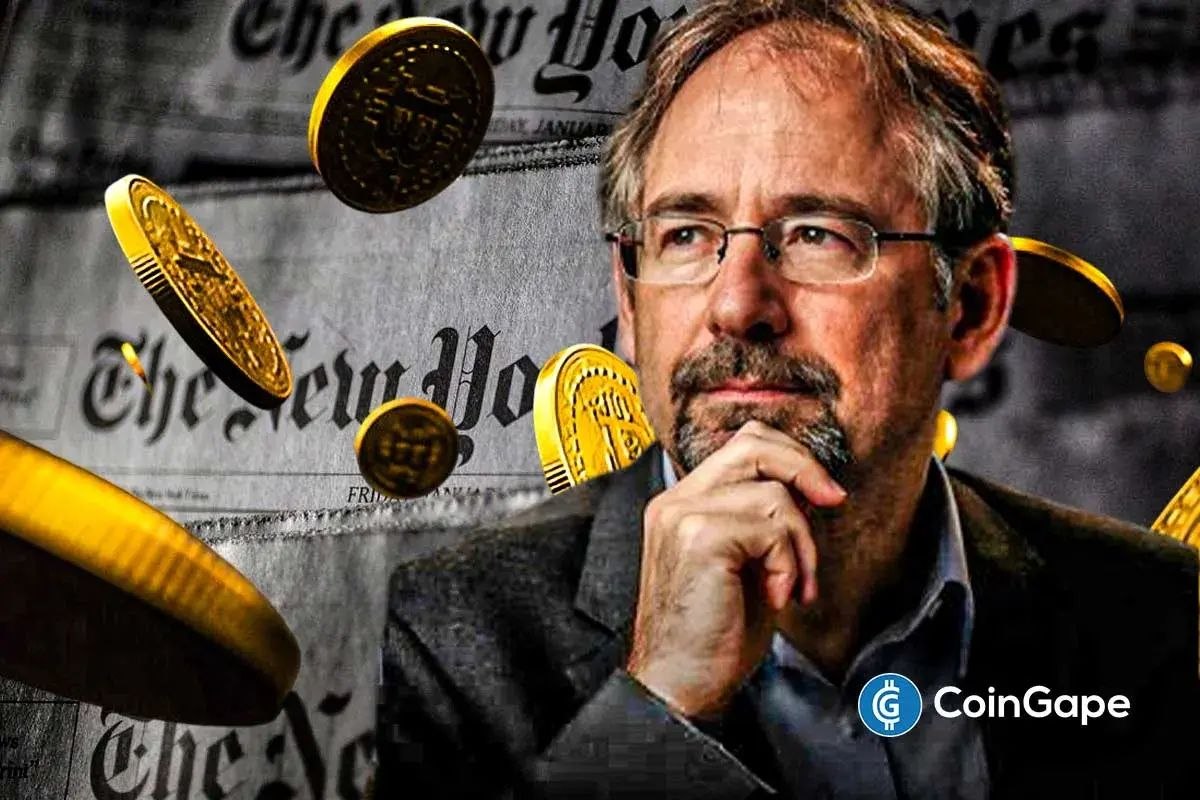
The mystery of Satoshi Nakamoto, the elusive creator of Bitcoin, has captivated the crypto community for over a decade. Most recently, Adam Back, a well-known computer scientist and an early contributor to digital cash systems such as Hashcash, was identified by a report led by journalist John Carreyrou as a potential candidate for Bitcoin’s enigmatic founder. This investigation utilized stylometric analysis, interviews, and historical records to draw its conclusions. However, in the aftermath, Back has emphatically denied these claims, emphasizing that the findings were based on random similarities in language and not definitive proof.
Understanding the Investigation into Satoshi’s Identity
The 18-month investigation into the identity of Satoshi Nakamoto examined numerous candidates before honing in on Adam Back. The research highlighted certain linguistic patterns in Back’s writing as well as his substantial involvement in early digital currency concepts. During the evaluation, the report cited Back’s contributions to the field of cryptography as evidence of his potential link to Bitcoin’s creation. Despite this, Back quickly took to social media platform X (formerly Twitter), asserting his non-involvement: “I am not Satoshi.” He explained that his numerous posts on cryptography mailing lists naturally generated a large volume of text, making it easier for comparisons to be drawn.
The Role of Language and Context in the Claims
While the report established connections based on writing style, Adam Back contended that the similarities could be traced to the closely-knit community of early cypherpunks and their shared ideas around the principles of privacy and the architecture of the internet. Back argued that the context of his contributions to discourse surrounding electronic cash has contributed to a body of work that might lead to mistaken conclusions regarding his authorship of Bitcoin. In fact, he expressed that the shrouded identity of Bitcoin’s creator could be beneficial, arguing that it reinforces Bitcoin’s identity as a decentralized asset without a single point of control.
Skepticism from Peers: A Divided Community
The debate around Back’s presumed identity as Satoshi Nakamoto has drawn skepticism not only from Back himself but from other notable figures in the crypto space. Analyst Joe Weisenthal commented on the report, suggesting that the data presented did not provide irrefutable proof. He highlighted that numerous early participants in the cryptocurrency space shared common philosophies that could explain the evident overlaps in thought and writing. This critical perspective suggests that while the investigation is interesting, it may fundamentally misunderstand the cooperative nature and shared ideologies of the early crypto community.
Perspectives from Industry Experts
Ripple’s CTO, David Schwartz, further complicated the narrative by weighing in on the implications of identifying Satoshi Nakamoto. He pointed out that any conclusions drawn from an 18-year-old discussion overlook the potential evolution of Satoshi’s thoughts over time. Schwartz also raised the idea that the Bitcoin keys associated with Nakamoto might be permanently inaccessible, thus sealing the mystery surrounding the creator’s identity indefinitely. Meanwhile, Bitcoin advocate Michael Saylor challenged the findings by emphasizing that stylometric analysis should not be the sole basis for determining Nakamoto’s identity. Citing historical email exchanges that showed interactions between Back and Satoshi, Saylor argued that these interactions supported the notion that they were separate entities.
The Ongoing Investigation and Speculations
The ongoing investigation into Nakamoto’s identity continues to stimulate dialogue across the cryptocurrency sector. Earlier investigations had also proposed various individuals—such as developer Peter Todd—as Satoshi Nakamoto, though those claims lacked substantial evidence. Nicholas Gregory, another industry veteran, has similarly dismissed the recent claim linking Back to Nakamoto. He pointed out that investigations into Bitcoin’s origins often neglect crucial aspects of its early history and the potential risks involved in unearthing Nakamoto’s identity. Gregory’s remarks highlight a broader concern: that exposing Nakamoto or a candidate could pose unforeseen dangers to them and their families.
Conclusion: Navigating the Enigma of Satoshi Nakamoto
As Adam Back and various industry professionals continue to refute claims regarding Satoshi Nakamoto’s identity, the question remains: will we ever know who created Bitcoin? The ongoing investigation serves as a testament to the profound curiosity and speculative nature inherent in the cryptocurrency sphere. While Back’s denial emphasizes the layered complexity of determining authorship based solely on linguistic analysis, the debate continues to highlight the vital role collaboration and shared ideas play in the development of technology. For now, the identity of Satoshi Nakamoto will likely remain an enigma, preserving its allure within the ever-evolving landscape of cryptocurrency.