



Understanding Asset Tokenization on the Blockchain: A Step-by-Step Guide
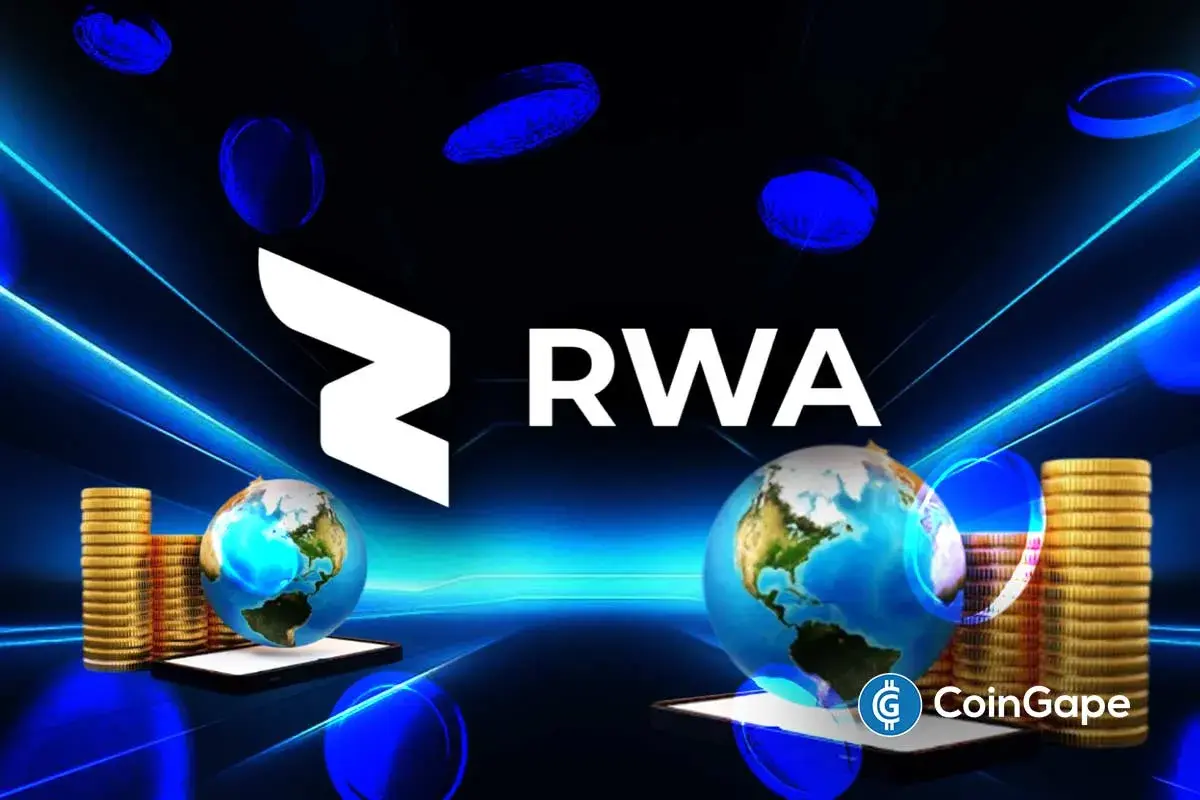
Tokenization has revolutionized how we perceive and trade traditional assets. However, the journey of bringing an asset to the blockchain is intricate and requires a robust framework that involves legal, technical, and financial considerations. This article will walk you through the comprehensive process of asset tokenization, ensuring a clearer understanding of its value and importance.
The Asset Identification: The First Step in Tokenization
The process of tokenizing an asset begins with clearly defining what that asset is. It could range from tangible items like a gold bar to financial entities such as corporate loans or real estate properties. Before any tokenization can take place, the asset in question must exist in the real world. Understanding the nature and characteristics of the asset is crucial since it will dictate how the tokenization process is executed and the various implications that follow.
Legal Structuring: Protecting Investors
One of the critical phases in the asset tokenization process is the legal structuring step. This is where many projects falter due to oversight. An asset cannot simply be recorded on the issuer’s balance sheet, as this presents substantial risks to investors. To safeguard against potential pitfalls, a legal structure known as a Special Purpose Vehicle (SPV) must be established. In some cases, this could be a regulated trust or fund structure. The primary objective of this legal wrapper is to isolate the asset from the issuer’s financial obligations and liabilities, ensuring that investors’ interests are preserved even if complications arise within the issuer’s operations.
The Role of Custodians in Asset Security
After establishing a solid legal framework, the next phase involves appointing a custodian. This entity plays a pivotal role in the asset tokenization journey by physically holding the asset in secure, accredited facilities. Renowned entities like BNY Mellon are responsible for safeguarding treasuries, while Brink’s manages the storage of gold in fortified vaults. This separation between the custodian and the issuer is essential for ensuring that the asset remains secure and is devoid of any potential risks associated with the issuer’s financial status.
Token Minting: Bringing Assets to the Blockchain
Once the asset is secured by a custodian, it’s time to mint the digital token. This process involves placing the token on the blockchain, which could be a platform like Ethereum, Solana, or any blockchain suitable for the asset’s goals. The ERC-20 standard is commonly adopted, offering a reliable template for token creation. For assets that require built-in compliance features, the ERC-3643 standard may be utilized to control access and ongoing compliance requirements effectively.
Continuous Real-Time Pricing: Keeping Investors Informed
After the tokens have been minted, the next fundamental aspect is pricing. The Net Asset Value (NAV) of an asset needs regular evaluation to keep investors informed. For most treasury asset products, the NAV is calculated daily and communicated on-chain via Oracles like Chainlink. This system enables real-time tracking of token value, empowering investors with the knowledge needed to make informed decisions regarding their investments.
Investor Access and Redemption: Ensuring Compliance
The final step in the tokenization process involves facilitating investor access and the redemption of tokens. Prospective investors must undergo Know Your Customer (KYC) and Anti-Money Laundering (AML) checks, ensuring compliance with relevant regulations. Upon passing these checks, investors can purchase the token through the issuer’s platform. While some products may offer same-day redemption, others, particularly in private credit markets, may come with longer redemption windows. Readers should be aware of these guidelines before diving into an investment opportunity.
Conclusion: The Value of a Structured Tokenization Process
In conclusion, the journey of bringing assets onto the blockchain is a multifaceted process that requires careful planning and execution. From the initial asset identification to legal structuring, custodian involvement, token minting, continuous pricing, and investor access, each step is integral in ensuring the successful tokenization of assets. By adhering to a structured approach, issuers can mitigate risks and enhance investor confidence in the rapidly evolving landscape of digital asset trading. Understanding these steps will empower both issuers and investors to navigate the world of tokenization more effectively, reaping the benefits of innovation while safeguarding their interests.