


Title: The Evolving Landscape of the CLARITY Act: A Call for Compromise in the Crypto Banking Sector
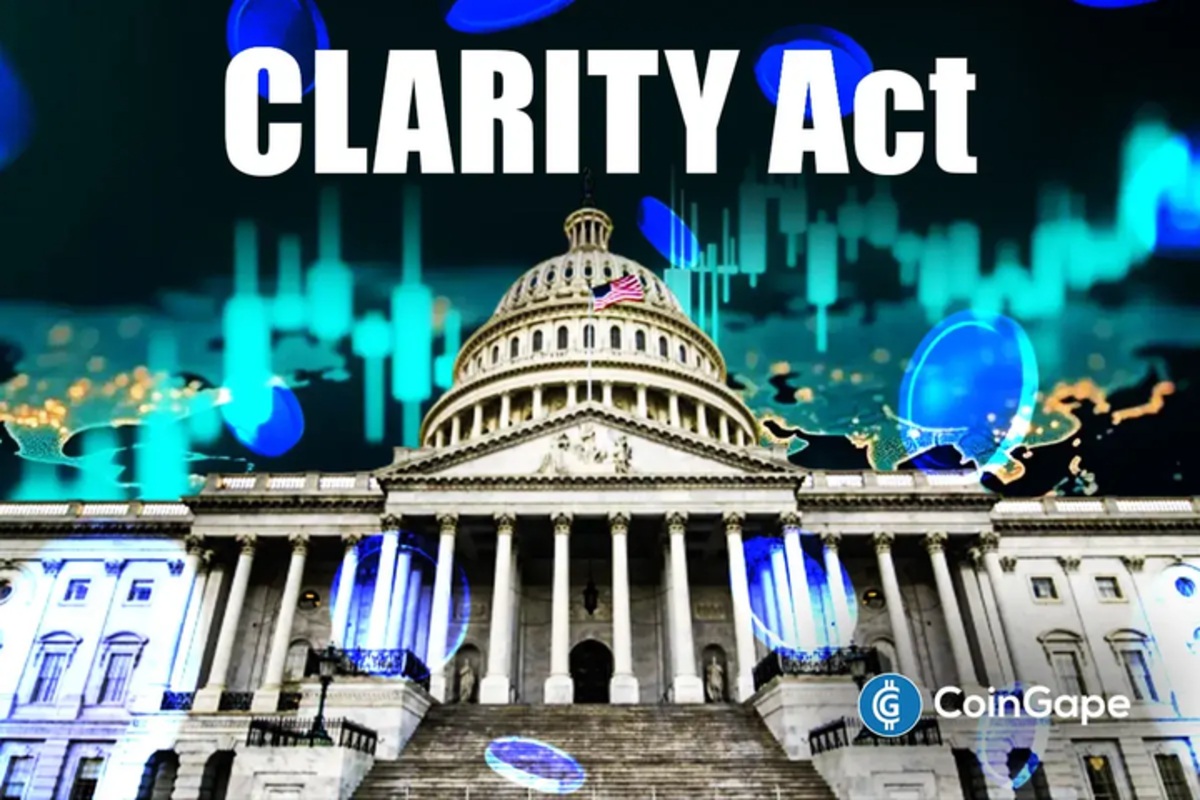
In recent discussions surrounding the CLARITY Act, Democratic Senator Angela Alsobrooks has highlighted the necessity for banks to reach compromises to facilitate the bill’s progress. As a member of the Senate Banking Committee, Alsobrooks emphasized the urgency of getting the legislation finalized, especially as the committee prepares for a markup by the end of March. Her statements, made during a Washington Summit with community banks, underscore a shifting landscape that requires collaboration between traditional banking institutions and the rapidly evolving crypto industry.
Senator Alsobrooks remarked that while the goal of drafting "the perfect bill" is ideal, it should not impede the legislative process aimed at regulating the crypto market effectively. The ongoing dialogue between banks and lawmakers has revealed areas of contention, particularly surrounding the treatment of stablecoin rewards. Last week, banking institutions, in a move that surprised many, rejected an arrangement proposed by the White House. This deal had aimed to limit rewards on stablecoins to specific transactions while restricting rewards on balance holdings. Criticism from figures such as former President Donald Trump has placed additional pressure on banks to expedite negotiations with the crypto sector, which he accuses of stalling legislative progress.
One critical point of contention lies in the banks’ assertion that the CLARITY Act in its current form does not adequately mitigate deposit risk. However, Alsobrooks has encouraged banks to recognize the need for mutual concessions. Notably, the crypto industry had already adjusted its stance, agreeing not to offer rewards on balance holdings. "I think I have to level set that all of us will probably walk away just a little bit unhappy," she stated, emphasizing the importance of compromise to push the legislation forward. Alsobrooks, along with Senator Thom Tillis, has pushed for amendments that limit the scope of stablecoin rewards while advocating for a balance between innovation and financial stability.
While Senator Tillis has not yet made a definitive decision regarding the current draft of the CLARITY Act, he is actively engaging with industry representatives and White House officials. Reports indicate that discussions are making progress, though not all the way there yet. The success of these negotiations is pivotal, especially for the markup slated for late March, which is heavily reliant on Tillis’s support. Should he convene a meeting with Coinbase representatives and banking groups, it could provide the clarity needed for him to make an informed decision.
Sentiment among crypto traders remains cautiously optimistic about the bill’s potential for passage this year. Predictions from platforms like Polymarket suggest a 69% likelihood that former President Trump will endorse the legislation. Kristin Smith, President of the Solana Policy Institute, has expressed her belief that the CLARITY Act is on track for approval by July, indicating a growing confidence in the legislative process.
As the conversation continues, trade executives express a hope that collaborative efforts over the coming weeks to address yield and related concerns may lead to a rescheduling of the markup. However, industry leaders are also preparing for alternative strategies should the timeline extend further into the year. Overall, the evolution of the CLARITY Act exemplifies the need for adaptability within both the banking and crypto sectors, as they navigate the intricacies of regulation amidst rapid technological advancement.
In conclusion, Senator Alsobrooks’ call for compromise reflects the changing dynamics of the banking and crypto markets. As the Senate Banking Committee prepares for a crucial markup, the collaborative spirit between traditional financial institutions and the burgeoning crypto industry is essential for fostering innovation while ensuring consumer protection. The resolution of key sticking points, such as stablecoin rewards and deposit risk management, will be central to the bill’s success. With significant figures like Senators Alsobrooks and Tillis engaged in the legislative process, the prospects for a harmonized regulatory framework that supports both innovation and security may soon become a reality. The coming weeks will serve as a litmus test for the willingness of all parties to adapt, compromise, and ultimately pave the way for a forward-thinking regulatory landscape in the crypto sector.