


Rising Tensions: Iran’s Withdrawal Threat and its Impact on the U.S.-Iran Ceasefire and Bitcoin Market
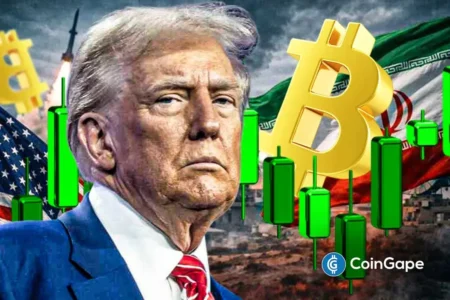
In a significant escalation in Middle Eastern tensions, Iran has indicated its intention to withdraw from a recently established ceasefire agreement if Israeli attacks on Lebanon persist. This pronouncement comes just a day after the U.S.-Iran ceasefire was announced, highlighting the fragility of peace in the region. Reports from Iranian media outlet Tasnim reveal warnings that Iran may resort to more aggressive actions if the situation does not change. Additionally, this development has had repercussions in the cryptocurrency space, particularly affecting Bitcoin prices.
Ceasefire Dynamics: Potential Collapse Due To Israeli Strikes
The ceasefire agreement between the U.S. and Iran, which was celebrated as a major diplomatic achievement, now hangs in the balance due to ongoing Israeli military actions in Lebanon. Reports indicate that the Israeli army has carried out around 100 strikes in Lebanon, furthering alarm about the stability of this agreement. As tensions escalate, Iranian representatives have warned that the situation could spiral out of control, especially if the U.S. cannot effectively manage Israeli aggression. Such a breakdown would not only impact regional stability but could also have wider implications for global markets.
Economic Implications: Bitcoin Reacts to Geo-political Tensions
The recent geopolitical turmoil has not only impacted diplomatic relations but has also caused fluctuations in cryptocurrency markets. Bitcoin, for example, saw a significant decline following the news of Iran’s potential withdrawal from the ceasefire. After peaking above $72,000, the price of Bitcoin has fallen to approximately $70,700. Such market reactions underscore how sensitive the cryptocurrency space is to external events, particularly those involving key players like Iran and Israel.
Conflicting Narratives: The Nature of the Ceasefire Agreement
Adding another layer of complexity to the situation are the conflicting statements regarding the ceasefire agreement’s scope. While U.S. President Donald Trump mentioned that Lebanon is not included in the ceasefire due to Hezbollah’s involvement, Israeli Prime Minister Benjamin Netanyahu echoed similar sentiments. In contrast, Pakistani Prime Minister Shehbaz Sharif, who initially proposed the ceasefire, declared that it was meant to encompass all affected areas, including Lebanon. These discrepancies raise concerns about the future viability of the ceasefire and whether all parties are on the same page.
Calls for Restraint: Diplomatic Efforts Amid Violations
In light of ongoing ceasefire violations, Pakistani PM Shehbaz Sharif has urged all parties involved to exercise restraint. He emphasized that respect for the ceasefire is crucial for the advancement of peace talks and diplomatic efforts in the region. Reports suggest that numerous violations have occurred, which could set back negotiations and provoke further hostilities. Growing tensions could also lead to renewed disruptions in vital areas like the Strait of Hormuz, impacting oil prices and broader economic activity.
The Future of U.S.-Iran Relations: Upcoming Diplomatic Talks
Despite the turmoil, there remains a glimmer of hope for diplomatic resolution. U.S. President Trump has confirmed the intention to hold in-person talks with Iranian representatives soon. Both U.S. and Iranian delegations are set to meet in Pakistan for the Islamabad Talks, scheduled for April 10. These discussions will be critical in determining the future of U.S.-Iran relations and the overall stability of the region. Should the talks be successful, they could pave the way for a more enduring peace and sap some tension from the market.
Conclusion: The Interconnected Nature of Global Events
As the situation unfolds, it is clear that geopolitical events in the Middle East will continue to have repercussions beyond regional borders, impacting everything from diplomacy to financial markets. Iran’s potential withdrawal from the ceasefire poses serious risks for stability in Lebanon and could lead to significant economic ramifications, particularly in cryptocurrency markets. With diplomatic discussions on the horizon, there is still a chance for de-escalation, but the coming days will be critical in shaping the landscape of international relations and economic stability. As tensions continue to evolve, monitoring developments in this area will be essential for both investors and policymakers alike.